Years often arrive carrying the weight of expectation. Forecasts are drawn, scenarios mapped, certainty projected onto months that have not yet unfolded. Yet history suggests that the most enduring changes rarely announce themselves clearly. They enter quietly, sideways, altering routines before they attract attention. As 2026 approaches, its surprises may not come from shock, but from subtle shifts that slowly reshape the familiar.
One such shift may emerge in how people work. Not through a dramatic reversal to offices or a wholesale embrace of remote life, but through hybrid arrangements that quietly redefine productivity. Smaller teams, shorter workweeks in select industries, and a growing emphasis on outcomes over presence could settle in as norms rather than experiments.
In technology, artificial intelligence may become less visible rather than more dominant. As AI tools embed themselves deeper into everyday systems, their novelty may fade. What surprises is not what they can do, but how rarely users notice them at all, functioning as background infrastructure rather than headline innovation.
Energy could bring its own quiet turn. While renewables continue their expansion, unexpected gains may come from efficiency rather than generation. Buildings that consume less, grids that waste less, and devices designed for longevity could collectively reshape demand more than any single breakthrough.
Geopolitically, alliances may soften at the edges. Instead of dramatic ruptures, 2026 could see cautious recalibrations, with countries hedging relationships rather than choosing sides outright. Diplomacy may look less decisive, but more flexible, reflecting a world wary of permanence.
Financial habits may also drift. Cash, already receding, could find new relevance during moments of disruption, while digital currencies remain present but restrained. The surprise may lie in moderation, as systems evolve without fully replacing what came before.
Climate adaptation, rather than climate mitigation, may move closer to the center of public policy. Investments in resilience, water management, and heat protection could expand quietly, driven less by ideology than by necessity.
In culture, attention itself may become scarce. A renewed interest in slower media, local storytelling, and limited platforms could grow as fatigue with constant connectivity deepens. The unexpected turn would be restraint, chosen rather than imposed.
Healthcare may surprise not through cures, but through prevention. Wearable monitoring, early diagnostics, and lifestyle interventions could reduce strain in ways that feel incremental but compound over time.
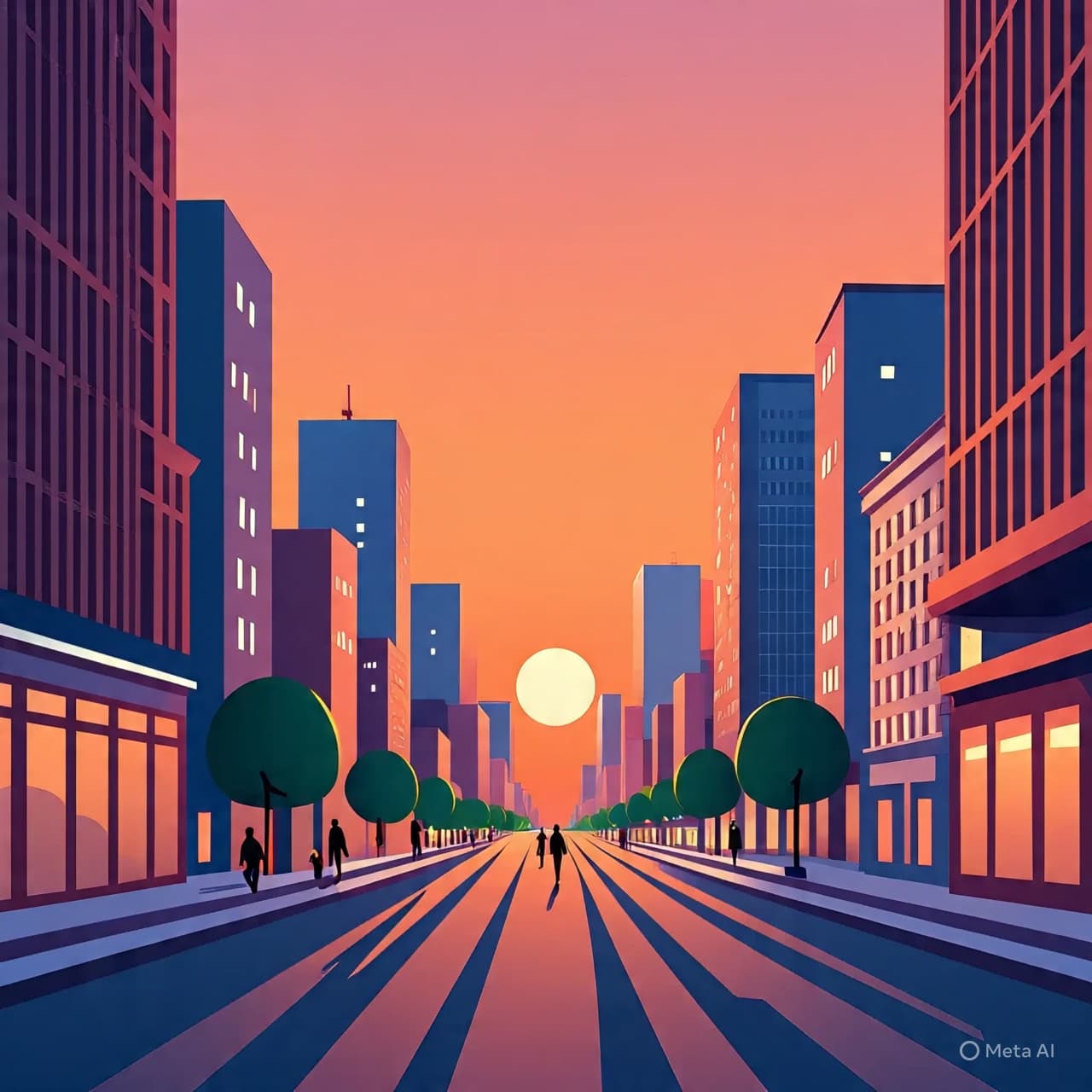
Cities, too, may change subtly. Fewer grand projects, more adaptive reuse. Empty offices converted into housing, streets reshaped for mixed use, public spaces adjusted rather than rebuilt.
Finally, the most unexpected shift may be emotional. After years of volatility, a quiet desire for stability could take hold. Not optimism, exactly, but a preference for steadiness over speed.
If 2026 brings surprises, they are unlikely to arrive with spectacle. More likely, they will settle in gradually, altering expectations before they are recognized as change. The year ahead may not astonish in the moment, but it may feel different in retrospect.
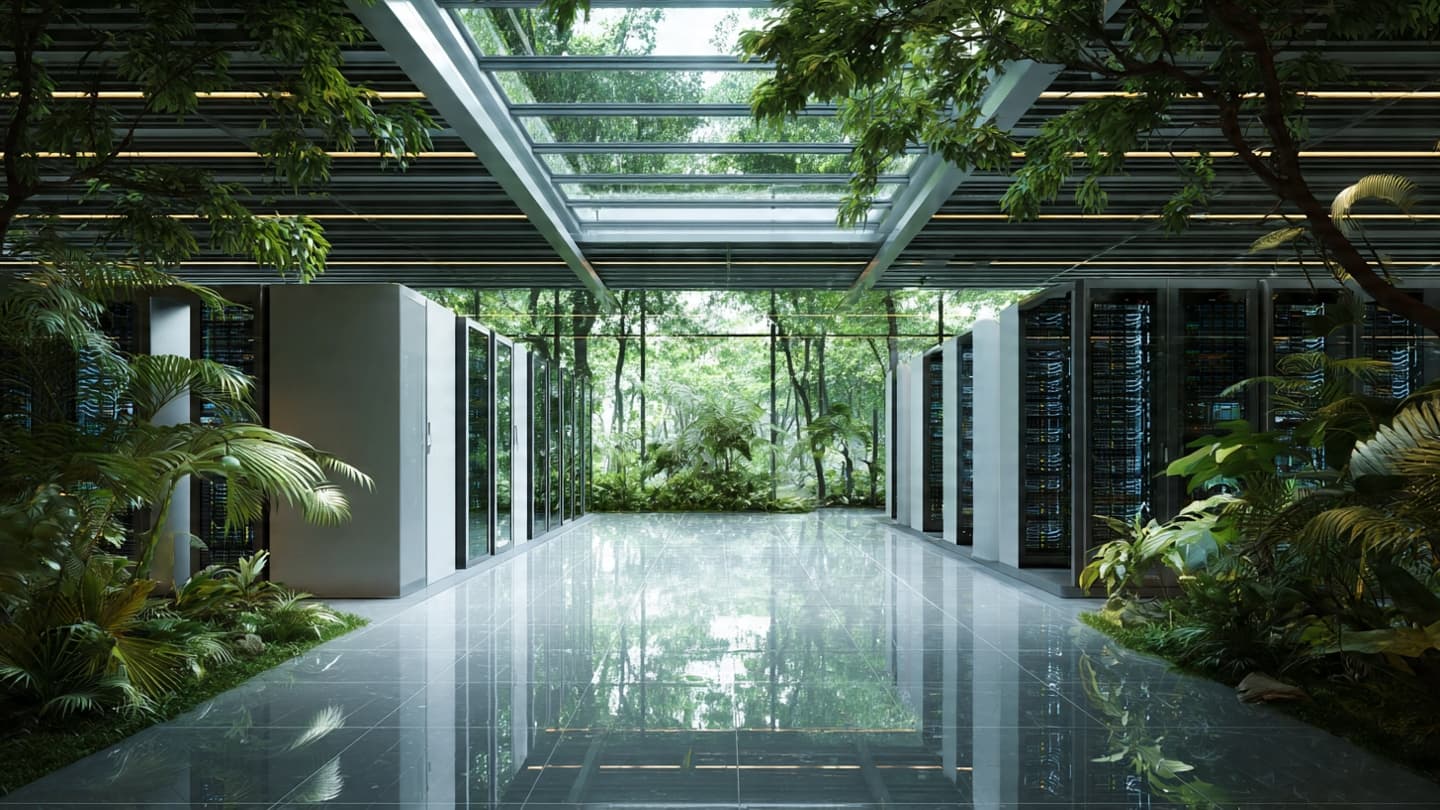
AI Image Disclaimer Visuals are AI-generated and serve as conceptual representations.
Published by Banx Network. This article is part of the Banx decentralized media programme, powered by the BXE token on the XRP Ledger.