
Key Highlights
- Cuba's fuel crisis worsens, impacting airline operations.
- Airlines must now arrange refueling outside the island.
- U.S. sanctions contribute to the ongoing energy shortages.
Cuba, an island long accustomed to improvisation, is facing a deepening energy crisis that has recently escalated to a point where airlines can no longer refuel on the island. This week, Cuban authorities announced that due to severe fuel shortages, international carriers must now arrange for refueling at other locations. This decision reflects the ongoing strain on the country's energy resources, exacerbated by tightening U.S. sanctions, which Havana describes as an intensification of the long-standing blockade.
The energy crisis in Cuba has been unfolding gradually, shaped by a combination of aging infrastructure, reduced oil imports, and financial isolation. Officials in Havana have pointed to U.S. measures that restrict fuel shipments and complicate payment processes, arguing that these pressures have left the country struggling to secure sufficient energy for electricity generation, transportation, and industry. As a result, power outages have become more frequent, and fuel rationing has become increasingly visible.
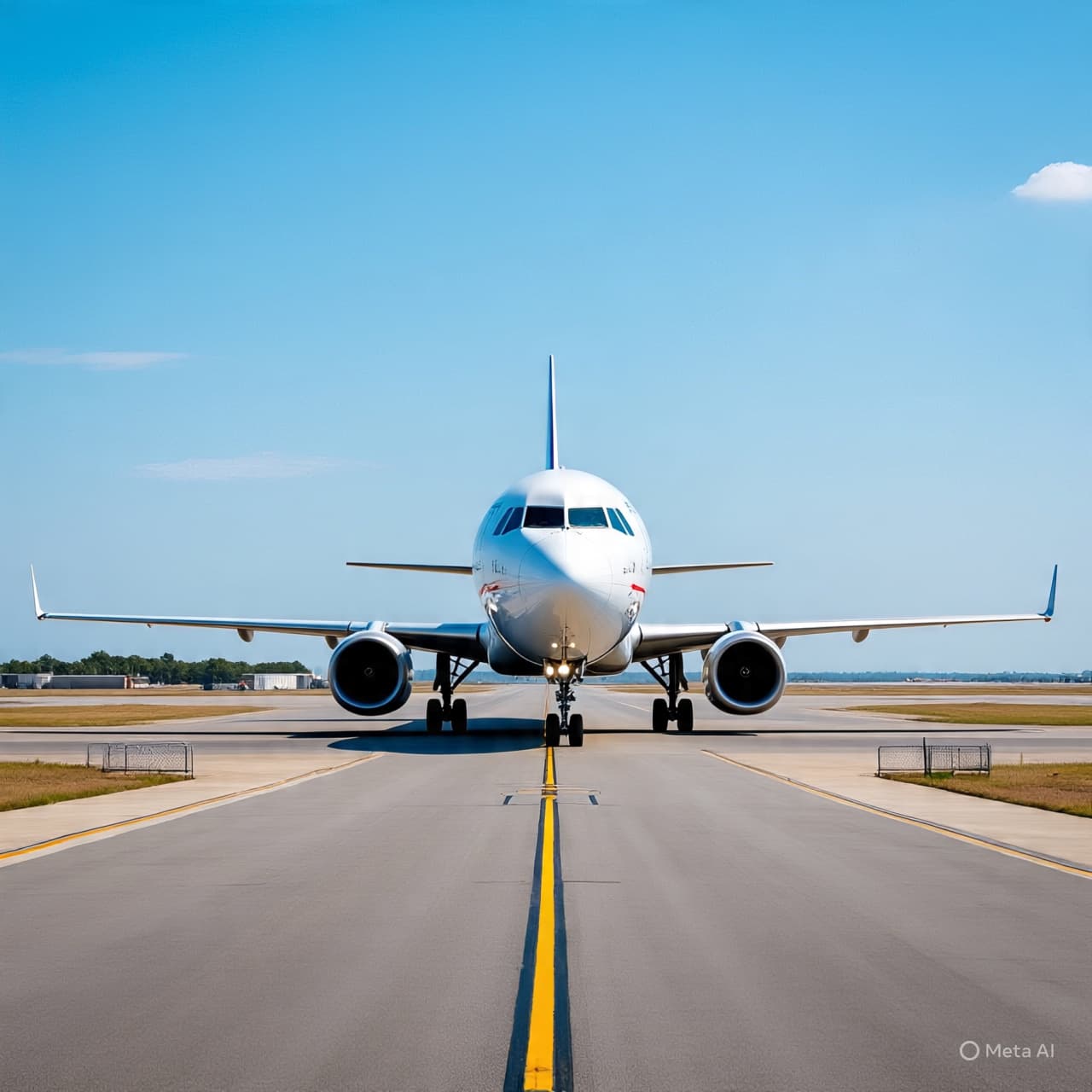
Airlines operating flights to Cuba have been informed that they must now arrange for refueling outside the island, adding logistical complexity to routes that already operate on thin margins. While flights continue for the time being, this announcement underscores how energy shortages ripple outward, affecting not only residents but also tourism and trade, which are vital to the Cuban economy.
The United States maintains that its sanctions are aimed at the Cuban government rather than the population, intending to pressure Havana over governance and human rights concerns. However, Cuban officials reject this framing, asserting that the measures amount to collective punishment that constrains daily life and economic recovery for ordinary citizens.
For many Cubans, the impact of these policies is felt in their daily routines, shaped by power cuts and long queues for fuel. Each new restriction reinforces a sense of endurance rather than surprise, serving as a reminder that shortages often arrive incrementally rather than suddenly. The ongoing energy crisis is not just a logistical issue for airlines; it is a pressing reality for the Cuban people, who must navigate the challenges of limited resources in their everyday lives.
As the situation stands, airlines will need to adjust their operations, recalculating routes and schedules to accommodate the new refueling requirements. Meanwhile, Cuba will continue to manage its limited resources in the face of an energy crisis that is deeply intertwined with geopolitical factors, infrastructure limitations, and a blockade that shows no immediate signs of easing. The announcement marks another stage in this ongoing struggle, highlighting the complex interplay between international relations and local realities.
Published by Banx Network. This article is part of the Banx decentralized media programme, powered by the BXE token on the XRP Ledger.



