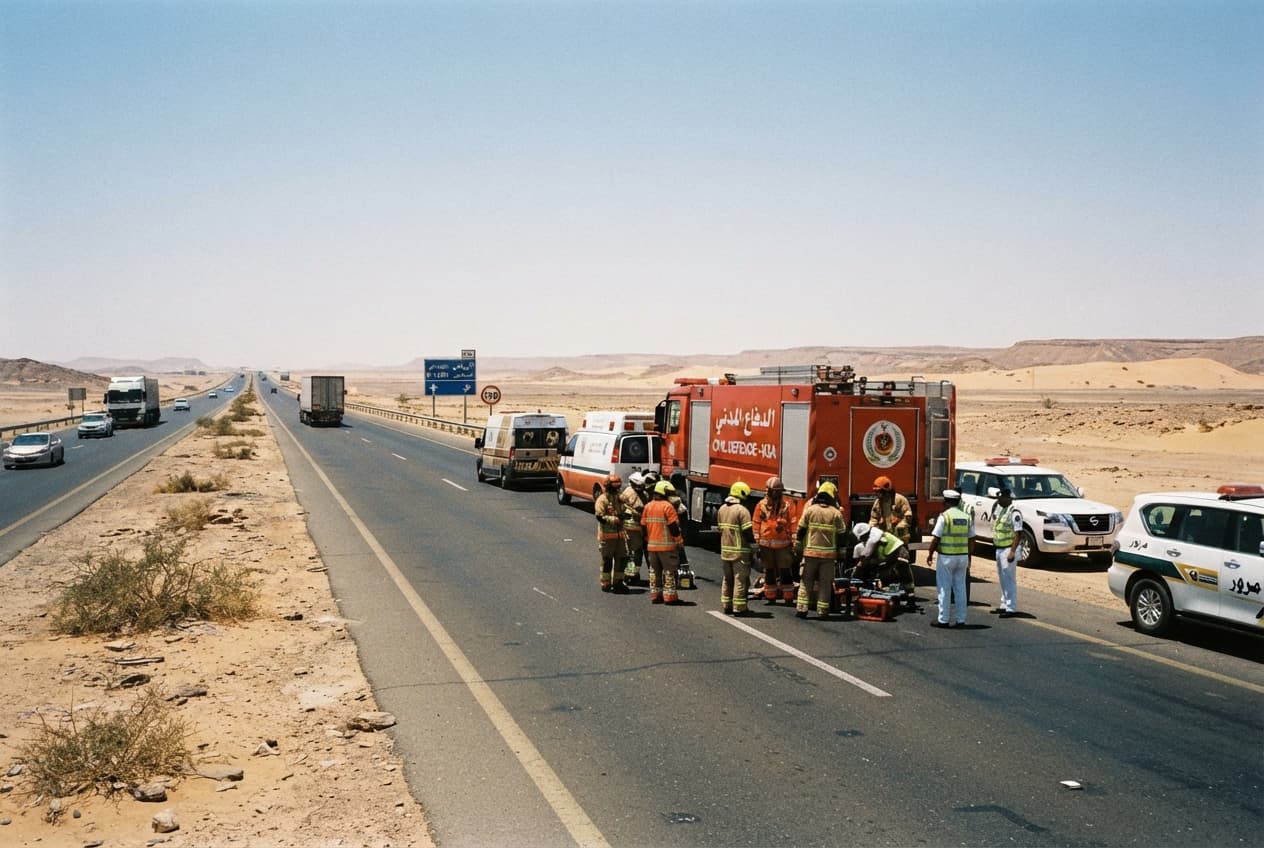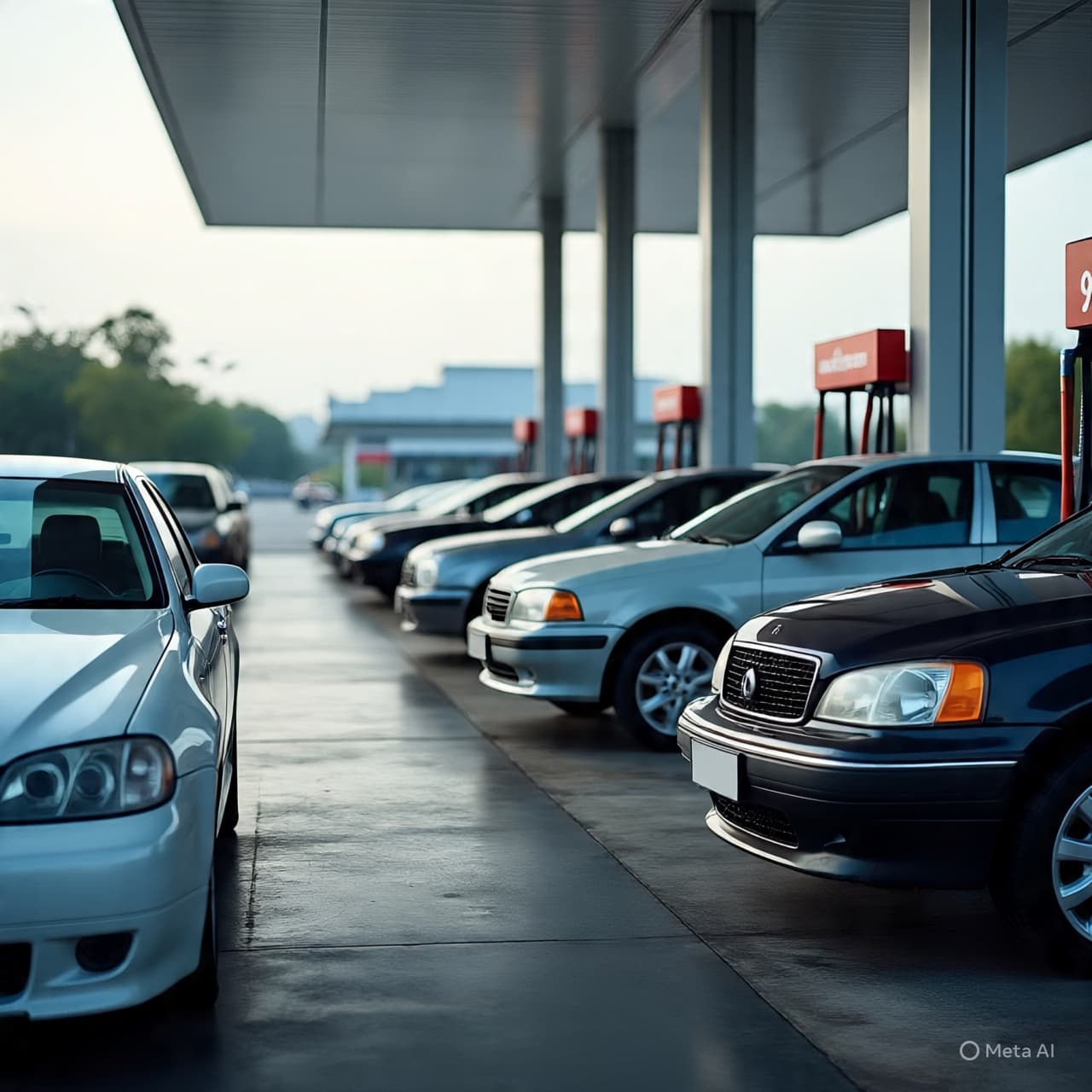
There are moments in public life when change does not arrive like a storm, but like a quiet adjustment of the tide—almost unnoticed at first, yet capable of reshaping the shoreline over time. In Malaysia, where fuel subsidies have long served as both cushion and compass for everyday life, even a subtle shift can ripple through households, commutes, and conversations. The idea of reducing the subsidized RON95 fuel quota—whispered as a temporary measure—feels less like a sudden decree and more like a question gently placed before the nation: how much support is enough, and for how long?
Reports and discussions have begun to circle around a possible reduction of the subsidized RON95 quota from 300 liters to 200 liters per month. Though not firmly anchored in official confirmation, the notion has stirred attention, perhaps because it touches something deeply familiar. Fuel, after all, is not merely a commodity; it is the rhythm of daily movement—the morning drive to work, the hum of delivery vehicles, the quiet journeys that stitch together a country’s economic and social fabric.
If such a measure were to take shape, even temporarily, it would likely be framed within broader fiscal considerations. Subsidies, while generous in intent, carry weight in national budgets. In times when governments seek to recalibrate spending, these mechanisms are often revisited—not dismantled entirely, but adjusted, refined, or redirected. A reduction in quota could be seen as part of this balancing act, where sustaining long-term economic stability gently competes with the immediacy of public relief.
Yet, within this balance, there are human stories that numbers alone cannot fully capture. For many households, especially those navigating tight budgets, subsidized fuel represents predictability. It offers a small but steady assurance that the cost of mobility remains within reach. A reduction, even a temporary one, may not dramatically alter routines overnight, but it could introduce a subtle recalibration—fewer discretionary trips, more careful planning, a quiet awareness of limits where there was once ease.
At the same time, policymakers may view such adjustments as part of a longer journey toward more targeted support systems. In recent years, discussions around subsidy rationalization have often pointed toward directing assistance more precisely, ensuring that those who need it most continue to receive it while reducing inefficiencies. In this light, a quota adjustment could be interpreted not as withdrawal, but as a step—tentative and measured—toward a different structure of support.
Still, uncertainty lingers. Without clear, official confirmation, the conversation remains suspended between speculation and possibility. And in that space, public sentiment tends to oscillate—between concern and patience, skepticism and understanding. It is a reminder that policy, especially when it touches daily essentials, is never experienced solely on paper. It is felt in the lived rhythms of ordinary days.
For now, the proposed reduction to 200 liters rests as a developing narrative rather than a settled fact. Authorities have previously maintained the existing framework, and any formal change would likely arrive with clearer guidance and explanation. Until then, the discussion itself reflects something enduring: the delicate relationship between governance and daily life, where even the smallest adjustments can echo far beyond their immediate intent.
In the end, whether this measure materializes or not, it underscores a broader truth. Economic policies often move in careful increments, shaped as much by constraint as by compassion. And as Malaysia continues to navigate its fiscal path, each decision—large or small—will quietly trace its impact across the roads people travel every day.
AI Image Disclaimer
Visuals are created with AI tools and are not real photographs.
---
Sources
Reuters
The Star
Bernama
Ministry of Finance Malaysia
AutoBuzz
Published by Banx Network. This article is part of the Banx decentralized media programme, powered by the BXE token on the XRP Ledger.