
Key Highlights
- Australia may face fuel rationing due to global oil supply disruptions.
- The Strait of Hormuz is a critical transit point for oil shipments.
- Limited domestic refining capacity increases vulnerability to international market fluctuations.
Australia's vast landscape has always made fuel accessibility a critical concern for its residents. The long distances between towns and cities mean that petrol stations are not just conveniences; they are lifelines that ensure mobility across the continent. However, recent global tensions have cast a shadow over this sense of security, raising the specter of fuel rationing in the country.
Energy analysts are sounding alarms about the potential for fuel rationing in Australia if conflicts in the Middle East continue to disrupt global oil supply routes. The issue is not an immediate shortage of fuel within Australia, but rather the fragility of the international shipping and refining networks that deliver the majority of the fuel used daily by Australians. With most refined petroleum products imported, any disruption in global oil trade can have swift repercussions.
The Strait of Hormuz, a narrow passage that is vital for global oil shipments, has recently seen increased instability. This region's significance cannot be overstated; any prolonged disruption could lead to tighter supplies and soaring prices in energy markets worldwide. Australia's reliance on imported fuel makes it particularly vulnerable to such international crises.
In recent years, Australia has seen several refineries close, which has further limited its domestic refining capacity. While fuel imports continue to flow, the country’s dependence on international supply chains means that any significant restriction in shipping routes could force the government to consider emergency measures, including fuel rationing. This system would limit the amount of petrol or diesel that individuals and businesses could purchase over a specified period.
Although rationing is a rare occurrence in modern Australia, it is not without historical precedent. During past global conflicts and oil crises, various governments implemented temporary restrictions to ensure that essential services, such as healthcare and food production, could continue operating despite strained fuel supplies. Today, however, any such measures would likely only be considered in extreme circumstances.
Experts emphasize that Australia maintains strategic fuel reserves and continues to import petroleum from multiple international suppliers, which helps cushion against short-term supply shocks. Nevertheless, the mere discussion of rationing reflects a significant shift in the landscape of global energy security. The interconnectedness of oil markets means that events occurring thousands of kilometers away can quickly affect fuel prices and availability in Australian cities.
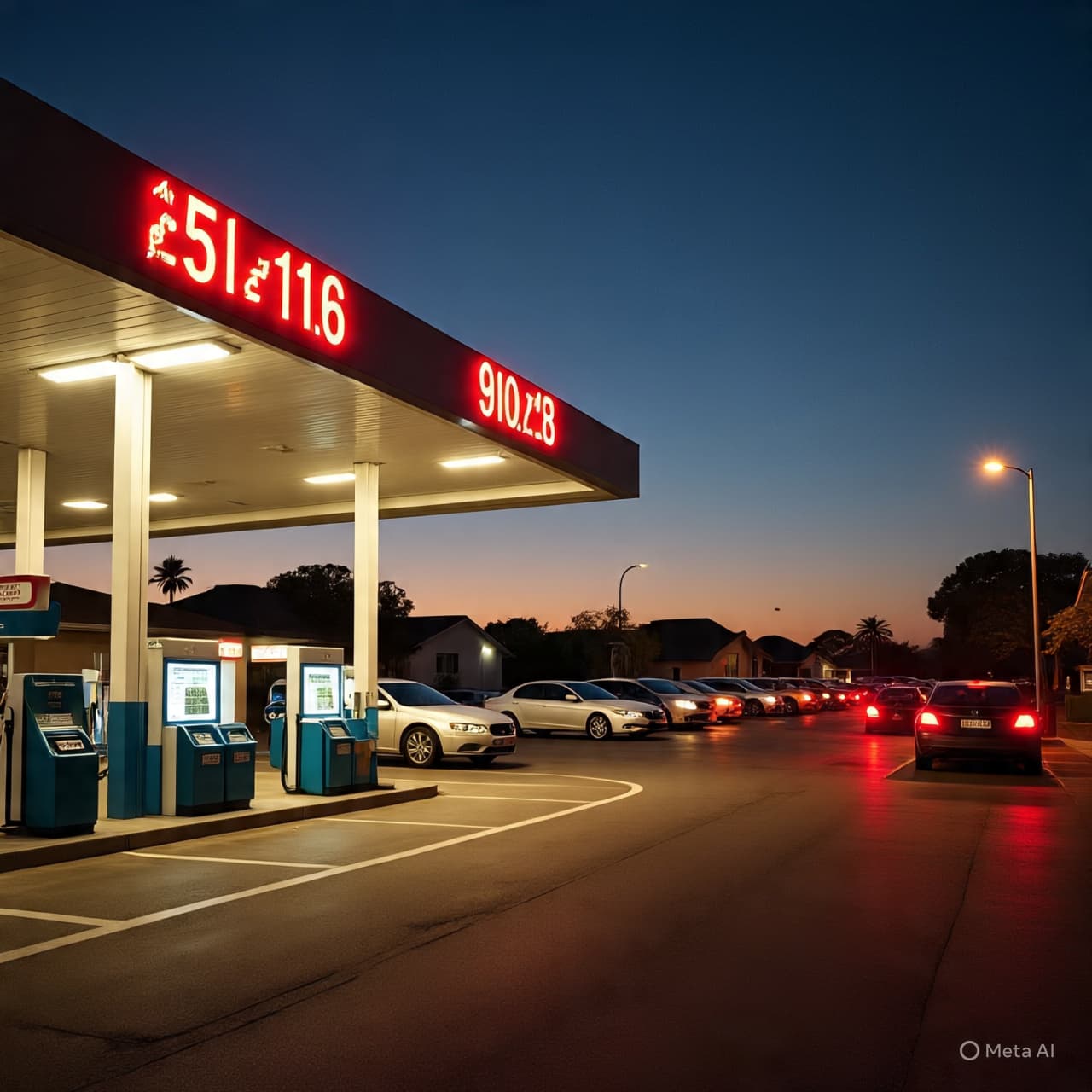
For everyday motorists, the first signs of this shift often manifest at petrol stations, where prices can rise unexpectedly. As drivers monitor their fuel gauges more closely, the reality of potential rationing looms larger.
Despite these challenges, Australia remains a nation in motion. Cars traverse its long highways, trucks transport goods, and planes continue to fly. Yet, the routine act of filling a tank now serves as a reminder of the broader forces at play in the global energy landscape. The delicate balance of supply and demand is increasingly influenced by conflicts and uncertainties far beyond Australia's borders, making the future of fuel accessibility a pressing concern for all.
Published by Banx Network. This article is part of the Banx decentralized media programme, powered by the BXE token on the XRP Ledger.



