
Key Highlights
- Cold Solutions Rwanda has launched a new facility in Kigali.
- The facility aims to reduce post-harvest food loss in the region.
- It utilizes advanced refrigeration technology to improve food security.
The Rwandan sun has long been both a creator and a relentless consumer, coaxing life from the rich, volcanic soil only to quicken its return to the earth once the harvest is gathered. In the quiet transition from the branch to the basket, there has always existed a fragile window of time where the vitality of the land begins to slip away. To witness a harvest lost to the heat is to watch a season of labor dissolve into the air, a silent receding of hope that has echoed through the valleys for generations.
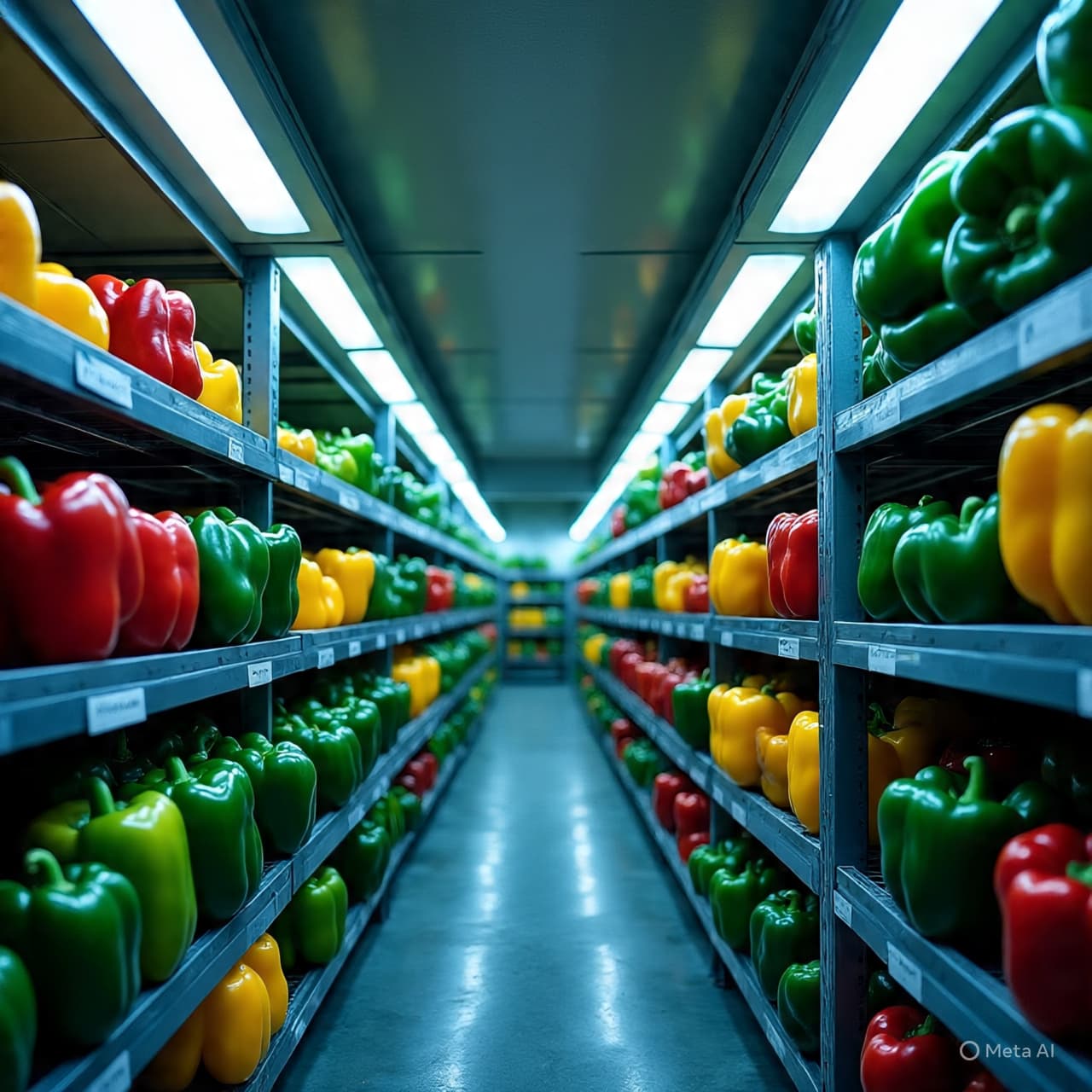
Now, a new kind of stillness has arrived in the landscape, a deliberate and measured chill that stands as a sentinel against the passage of time. The opening of the Cold Solutions facility represents a change in the atmospheric rhythm of the region, offering a sanctuary where the freshness of the field is suspended in a state of grace. It is a place where the haste of decay is replaced by the patience of preservation, allowing the fruits of the earth to wait for their moment of purpose.
This architecture of frost is more than a mere container; it is a bridge between the abundance of the rainy season and the requirements of the future. Within its walls, the air carries a crisp promise that the labor of the smallholder will not be in vain, and that the vibrant colors of the produce will not fade before they reach the table. It is a quiet dialogue between ancient agricultural traditions and the precision of modern thermodynamic science.
One can imagine the movement of crates through these chilled corridors, a slow and orderly procession that mirrors the changing of the seasons. The heat of the journey from the farm is washed away by a steady, artificial breeze, stabilizing the delicate chemistry of the harvest. It is a moment of profound recalibration, where the unpredictability of the climate is met with the unwavering consistency of the cold.
The presence of such a facility alters the very geography of the Rwandan food system, creating a hub where the rural and the urban find a common point of stability. It fosters a sense of security that ripples outward, encouraging the farmer to plant with greater confidence and the merchant to trade with less fear of loss. The landscape of post-harvest life is being redrawn, moving away from the shadows of waste toward a brighter horizon of efficiency.
There is a reflective quality to the hum of the cooling units, a mechanical song that speaks of resilience and foresight. It is an acknowledgment that the path to prosperity is often paved with the ability to pause time, to hold onto the value of the present so that it may be used more wisely tomorrow. In this space, the relentless forward motion of the tropical calendar is given a moment of pause, allowing for a more thoughtful distribution of the land's bounty.
As the sun sets over the thousand hills, the facility stands as a glowing beacon of intent, its internal climate remaining unchanged by the humid night. It is a testament to the idea that human ingenuity can create a shelter for the work of the hands, protecting it from the elements that once dictated its lifespan. The story of the Rwandan harvest is being rewritten, moving from a tale of rapid consumption to a narrative of sustained plenty.
In practical terms, Cold Solutions Rwanda has officially launched its flagship temperature-controlled warehouse in Kigali to address the critical issue of post-harvest food loss. This facility provides end-to-end cold chain services, utilizing advanced refrigeration technology to extend the shelf life of perishable goods. By offering a reliable storage environment, the center aims to improve food security and increase the income of local farmers by reducing the volume of produce that spoils before reaching the market.
Published by Banx Network. This article is part of the Banx decentralized media programme, powered by the BXE token on the XRP Ledger.



