

Key Highlights
- Ukrainian drone strikes targeted logistics centers in Russia.
- At least nine fatalities reported, with over 80 injuries.
- The operation aims to disrupt military supply chains.
The ongoing conflict between Ukraine and Russia has seen a significant escalation in the use of drone warfare, with recent strikes highlighting the importance of logistics in modern military operations. On a recent day, Ukrainian drones executed one of the largest long-range aerial operations, targeting multiple locations across Russia, including key logistics facilities. This operation underscores how warfare extends beyond traditional battlefields, affecting industrial and logistical infrastructures critical to military supply chains.
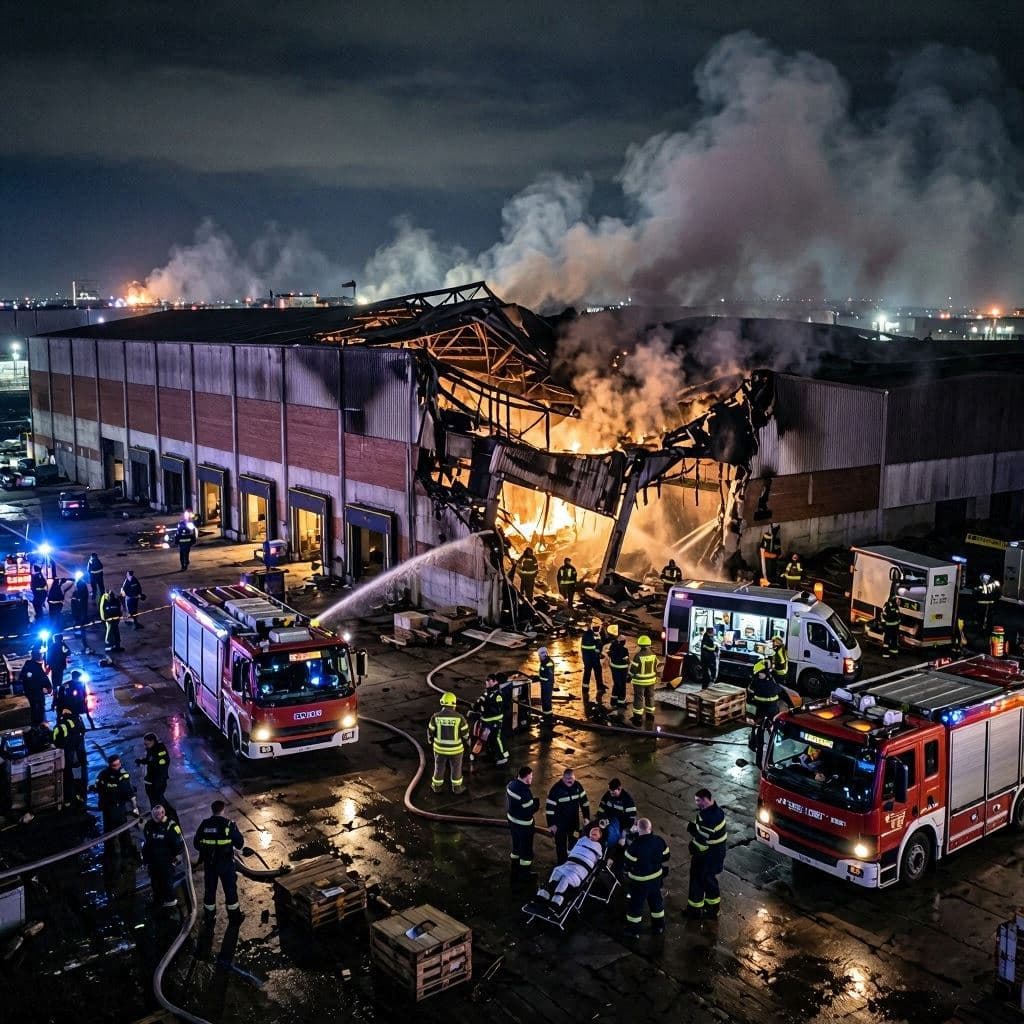
Russian authorities reported that the drone strikes resulted in at least nine deaths and over 80 injuries, particularly affecting logistics warehouses operated by Wildberries, one of Russia's largest online retailers. Fires erupted at these facilities following the strikes, prompting emergency crews to work through the night to rescue trapped workers and contain the blazes. The damage extended beyond the warehouses, with several nearby facilities also reporting structural damage due to falling debris and intercepted drones.
In response to the drone threat, Russian air defense forces claimed to have intercepted hundreds of drones aimed at various regions, including the Moscow metropolitan area. However, the effectiveness of these defenses was called into question as several drones successfully penetrated the defenses and struck their intended targets. This incident illustrates the growing sophistication and range of drone operations in the ongoing conflict, raising concerns about the vulnerabilities of logistical networks.
Ukrainian President Volodymyr Zelenskyy stated that the strikes were strategically aimed at logistics facilities believed to supply components for drone production and navigation equipment. Ukrainian officials emphasized that the operation was part of a broader strategy to disrupt Russia's military supply chain, rather than targeting civilian infrastructure. This distinction is crucial as both sides continue to navigate the complexities of modern warfare, where logistics play a pivotal role in operational success.
The drone strikes also had repercussions for energy infrastructure, with reports of fires at an oil depot near Moscow. In response to the drone activity, temporary restrictions were implemented at several airports, further illustrating the widespread impact of these military operations. Emergency services have been engaged in clearing damaged areas, while investigators are documenting the incidents to assess the full extent of the damage.
As the conflict evolves, both Russia and Ukraine are increasingly relying on long-range drones alongside conventional military tactics. Each side has targeted logistical networks, fuel facilities, and transportation infrastructure in an effort to diminish the other's operational capacity while avoiding large-scale ground offensives. The latest drone strikes serve as a stark reminder of how modern warfare increasingly reaches industrial centers far from active combat zones, with infrastructure remaining a central element of military strategy.
As recovery efforts continue, the implications of these strikes will likely resonate throughout the ongoing conflict, shaping future military strategies and operational decisions. The integration of advanced technology in warfare is transforming the landscape, making logistics a critical battleground in its own right.
Published by Banx Network. This article is part of the Banx decentralized media programme, powered by the BXE token on the XRP Ledger.




