
Key Highlights
- Incident:A sinkhole opened in Utrecht, swallowing several parked cars.
- Cause:Initial assessments suggest a burst water main eroded the soil.
- Impact:Utility services disrupted for approximately 200 homes.
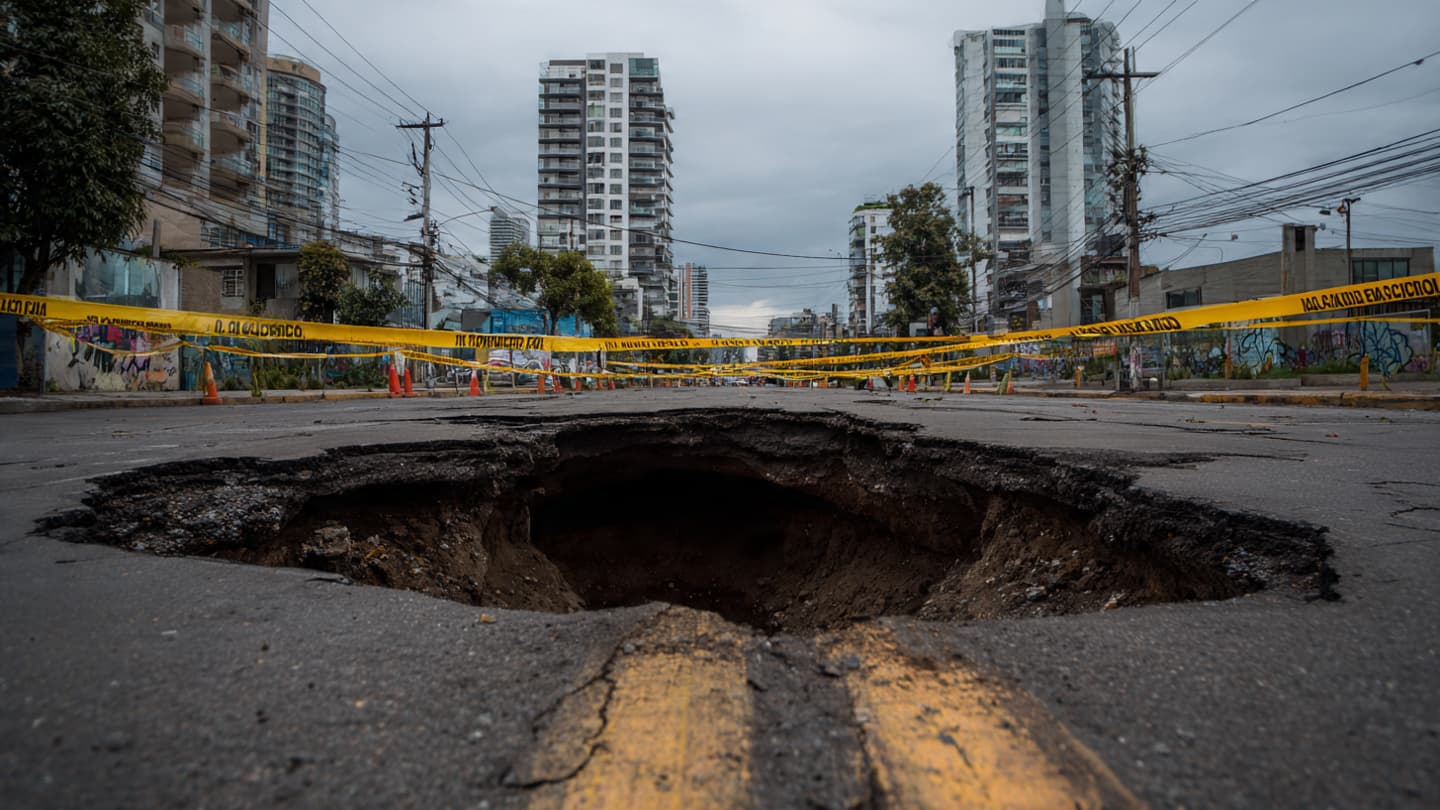
On a seemingly ordinary Tuesday morning, the streets of Utrecht were jolted by an unexpected geological event. A sinkhole emerged, swallowing several parked vehicles and leaving the local community in shock. The incident, which occurred without warning, has drawn attention to the hidden vulnerabilities beneath the city’s surface, where centuries of history lie beneath modern infrastructure.
Witnesses described the scene as surreal, with cars tilting precariously into the gaping hole that had opened up beneath them. Emergency crews quickly arrived on the scene, where the asphalt had peeled back, revealing a tangled web of pipes and wires that usually remain concealed from public view. This stark exposure of the city’s infrastructure served as a reminder of the complex systems that support urban life, often taken for granted until they fail.
As city engineers assessed the situation, they cordoned off the area to ensure public safety. The sight of heavy machinery moving in to stabilize the sinkhole was both alarming and fascinating for onlookers. The rhythmic sounds of construction contrasted sharply with the quiet disbelief of residents, who were grappling with the sudden disruption of their daily routines. The sinkhole not only represented a physical void but also a psychological one, as it challenged the community’s sense of stability.
Utility services were interrupted for approximately 200 homes in the vicinity, forcing residents to adapt to the sudden absence of water and electricity. The disruption highlighted the interconnectedness of urban infrastructure, where the failure of one element can ripple through an entire neighborhood. In the wake of the sinkhole, residents found themselves united in a shared experience of uncertainty, waiting for updates on repairs and restoration.
Engineers have begun a thorough investigation into the cause of the sinkhole. Preliminary reports suggest that a burst water main may have eroded the soil beneath the pavement over several days, leading to the collapse. This forensic approach to understanding the event is crucial, as it will inform future infrastructure improvements and prevent similar incidents from occurring. The investigation aims to uncover whether the sinkhole was the result of aging infrastructure or a more complex geological issue.
The recovery of the vehicles trapped in the sinkhole has been a slow and careful process. Cranes were deployed to lift the cars from the earth, each retrieval representing a small victory against the forces of nature. As the vehicles were towed away, attention shifted to the crater itself, which will require extensive repairs to restore the street to its former state. The work continued into the evening, with crews filling the hole with layers of gravel and sand, a ritual of restoration that will eventually allow the neighborhood to return to normal.
As the city works to repair the damage, residents are left with a lingering reminder of the fragility of their environment. The sinkhole serves as a metaphor for the hidden complexities of urban life, where beneath the surface, the earth is always shifting and changing. While the street will be repaved and the crater filled, the memory of this event will remain etched in the minds of those who witnessed it, a testament to the unpredictable nature of the world we inhabit.
Utrecht city officials have confirmed that no injuries were reported as a result of the sinkhole, but the incident has raised important questions about infrastructure maintenance and urban planning. As the community begins to recover, the focus will shift to ensuring that such an event does not happen again in the future.
Published by Banx Network. This article is part of the Banx decentralized media programme, powered by the BXE token on the XRP Ledger.



