
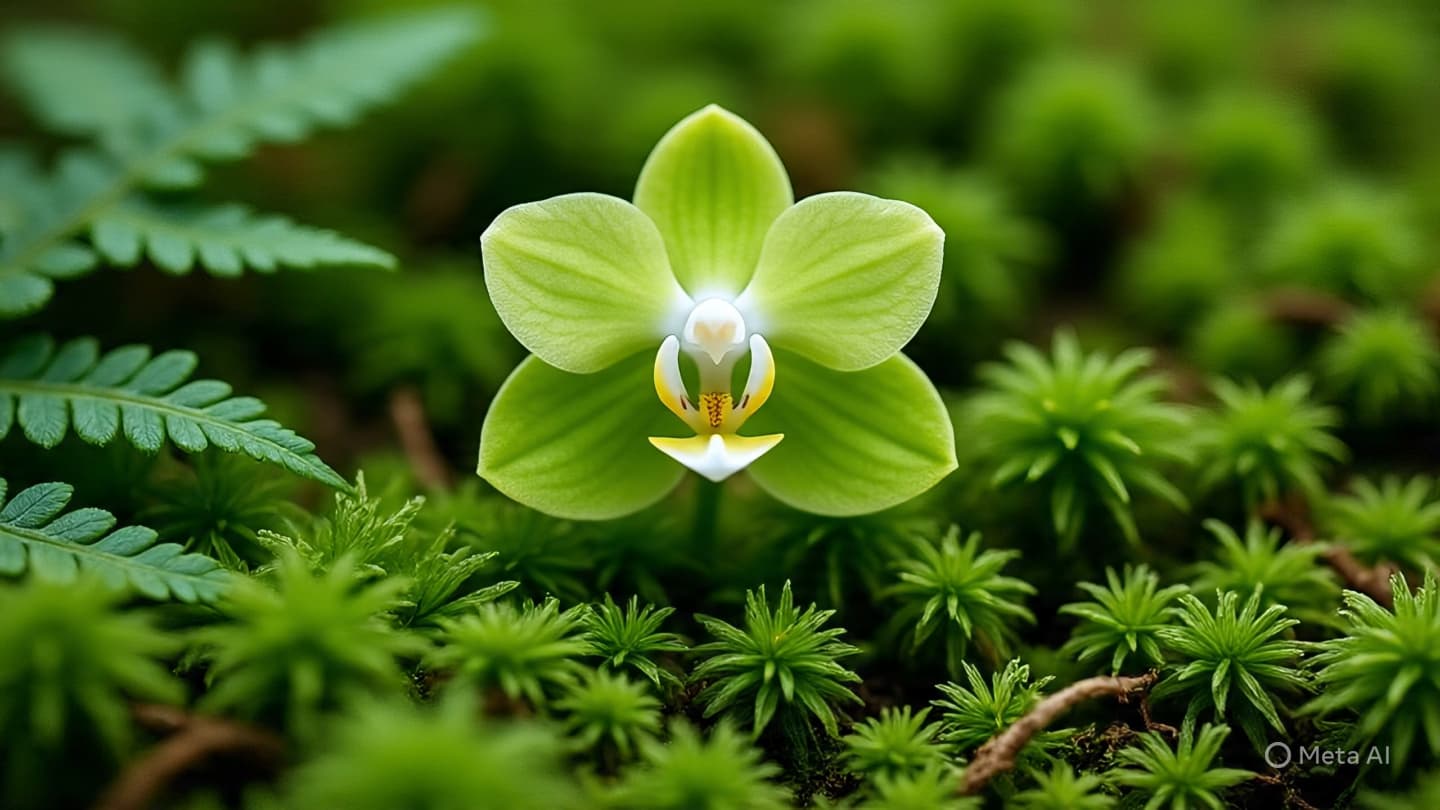
Key Highlights
- Rediscovery:The Fiordland orchid, previously thought extinct, has reemerged in New Zealand's Fiordland National Park.
- Conservation Efforts:New Zealand's Department of Conservation confirms the species' identification and health.
- Ecological Significance:The find underscores the importance of preserving natural habitats for biodiversity.
The natural world often reveals its secrets in unexpected ways, and the recent rediscovery of the Fiordland orchid in New Zealand serves as a poignant reminder of nature's resilience. Once believed to be extinct, this rare orchid species has emerged from the shadows of Fiordland National Park, captivating botanists and conservationists alike. The discovery was confirmed by New Zealand's Department of Conservation, which conducted extensive field verification in a remote area of the park.
Fiordland National Park, known for its dramatic landscapes and rich biodiversity, provides a unique habitat for this elusive orchid. The plant was first spotted by a botanist in a secluded limestone niche, where it thrives in the cool, damp conditions of the forest floor. This orchid's ability to blend seamlessly into its surroundings is a testament to its evolutionary adaptations, allowing it to survive undetected for years.
The implications of this discovery extend beyond the orchid itself. It challenges the notion of extinction as a definitive end, suggesting that life can persist in hidden corners of the world, waiting for the right moment to reemerge. For scientists dedicated to studying the flora of New Zealand's South Island, the Fiordland orchid represents not just a botanical curiosity but an emotional anchor, reinforcing the idea that nature's mysteries are far from fully understood.
As news of the orchid's return spreads through the scientific community, it ignites a renewed commitment to conservation efforts in New Zealand. Each untouched acre of forest holds the potential for new discoveries, serving as a repository of genetic diversity that is crucial for the health of ecosystems. The orchid's presence is a call to action, urging us to protect these wild spaces that harbor life yet to be documented.
In the coming months, researchers will analyze samples and sequence the orchid's DNA to better understand its ecological role and habitat requirements. However, the immediate priority is to ensure the safety of this fragile population. Access to the specific site has been restricted to prevent any accidental damage, highlighting the delicate balance between exploration and conservation.
The Fiordland orchid stands as a symbol of hope and resilience, a reminder that even in an era of rapid environmental change, nature can surprise us. It has withstood the test of time, surviving new predators and shifting climates, proving that sometimes, life simply needs the space to thrive. As we continue to uncover the secrets of our natural world, the rediscovery of the Fiordland orchid reinforces the importance of preserving the wilderness that surrounds us.
In conclusion, the Fiordland orchid's reappearance is not just a botanical triumph; it is a testament to the enduring power of nature and the critical need for ongoing conservation efforts. As we celebrate this remarkable find, we are reminded of our responsibility to protect the delicate ecosystems that sustain such extraordinary life forms.
Published by Banx Network. This article is part of the Banx decentralized media programme, powered by the BXE token on the XRP Ledger.



