

Key Highlights
- Award Recognition:Theonila Roka Matbob honored with the Goldman Environmental Prize.
- Environmental Impact:The Panguna mine's legacy includes pollution and social unrest.
- Community Advocacy:Roka Matbob's efforts highlight local voices in global corporate responsibility.
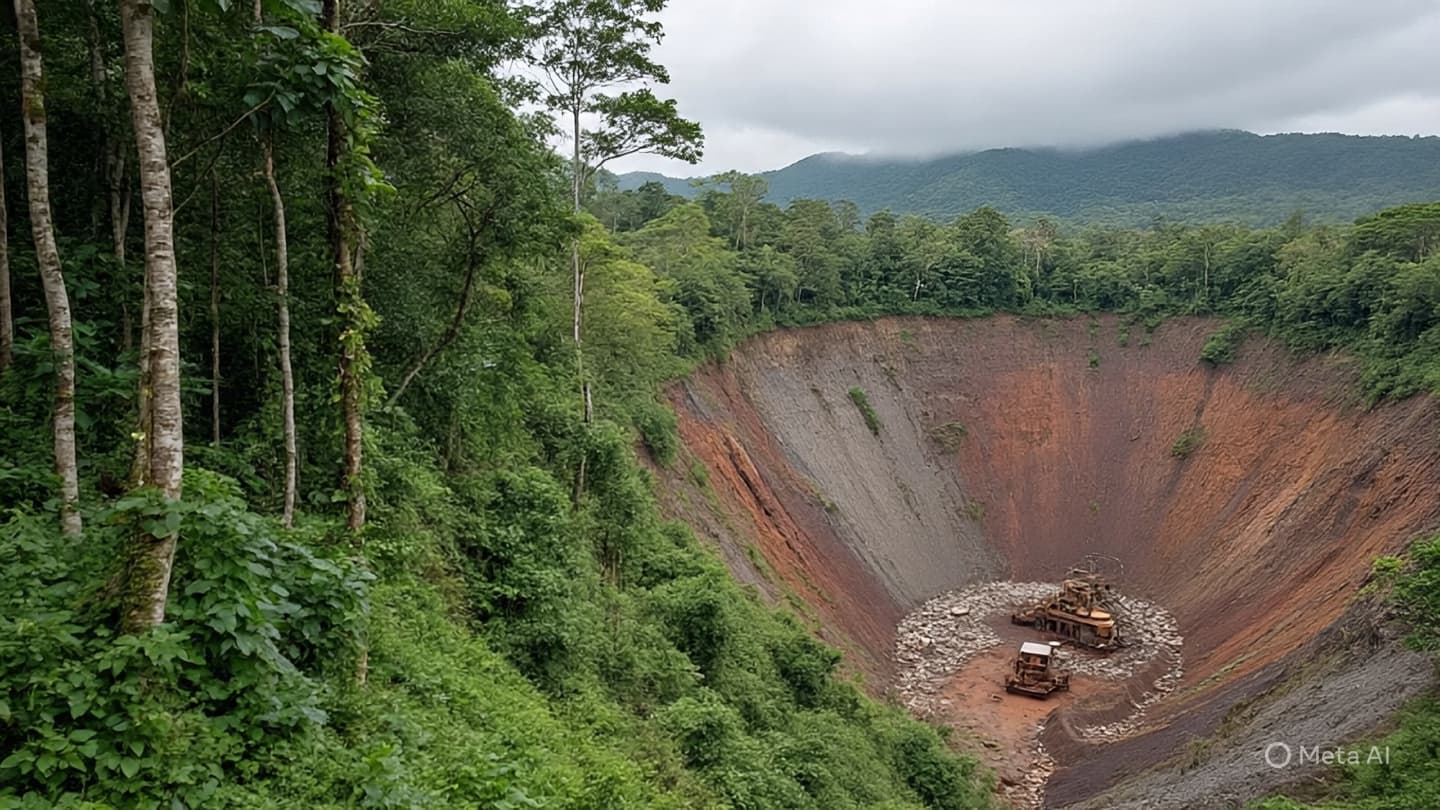
The landscapes of Bougainville, Papua New Guinea, are steeped in memory, much like rivers carry silt. Once a lush rainforest, the region has transformed into a symbol of both natural beauty and environmental degradation due to extensive mining operations. For many residents, the land reflects a painful history of extraction, conflict, and ecological harm. Amid this backdrop, one local advocate has emerged, turning loss into a powerful call for accountability and restoration.
Theonila Roka Matbob, recognized this year with the prestigious Goldman Environmental Prize, has dedicated her efforts to addressing the environmental and social impacts of the Panguna copper and gold mine. Her advocacy connects the dots between the ecological devastation wrought by mining and the rights of the communities affected. Roka Matbob's story has garnered international attention, illustrating how local struggles can resonate on a global scale.
Born into a world already altered by mining, Roka Matbob grew up in an environment where the lush forests of her childhood had receded, and the normalcy of life was disrupted for many families. The Panguna mine, once heralded as one of the world's largest open-pit mines, was a significant contributor to Bougainville's economy. However, it also became synonymous with pollution, land disputes, and social unrest, leaving a legacy of grievances that fueled the Bougainville civil conflict.
As a student, Roka Matbob became actively involved in protests against the mining operations. Her commitment to environmental justice led her to become the lead complainant in a human rights case against mining giant Rio Tinto, supported by various advocacy groups. This landmark complaint sought accountability for the environmental and social impacts linked to the mine's operations.
Roka Matbob's relentless advocacy has yielded notable results. In 2021, Rio Tinto agreed to fund an independent assessment of the mine's impacts, marking a significant step towards accountability. By 2024, the company signed a memorandum of understanding to collaborate with affected communities on remediation efforts, signaling a shift in corporate responsibility.
The case of Theonila Roka Matbob serves as a powerful example of how local voices can influence global corporate practices. It underscores the notion that environmental justice is often a slow and arduous process, requiring years of persistence, documentation, and dialogue. While the recognition through the Goldman Prize does not erase the damage already inflicted, it shines a spotlight on the communities still yearning for restoration and dignity.
The award also emphasizes ongoing efforts in Bougainville to confront the environmental legacy of mining and to enhance community participation in future decision-making processes. As Roka Matbob continues her work, she embodies the hope that local advocacy can lead to meaningful change in the face of corporate power and environmental degradation.
Published by Banx Network. This article is part of the Banx decentralized media programme, powered by the BXE token on the XRP Ledger.




