
Key Highlights
- Intense Heatwave:Southern France is experiencing one of its hottest periods this year.
- Increased Monitoring:Authorities are ramping up wildfire surveillance efforts.
- Community Preparedness:Local municipalities are reviewing emergency plans to combat fire risks.
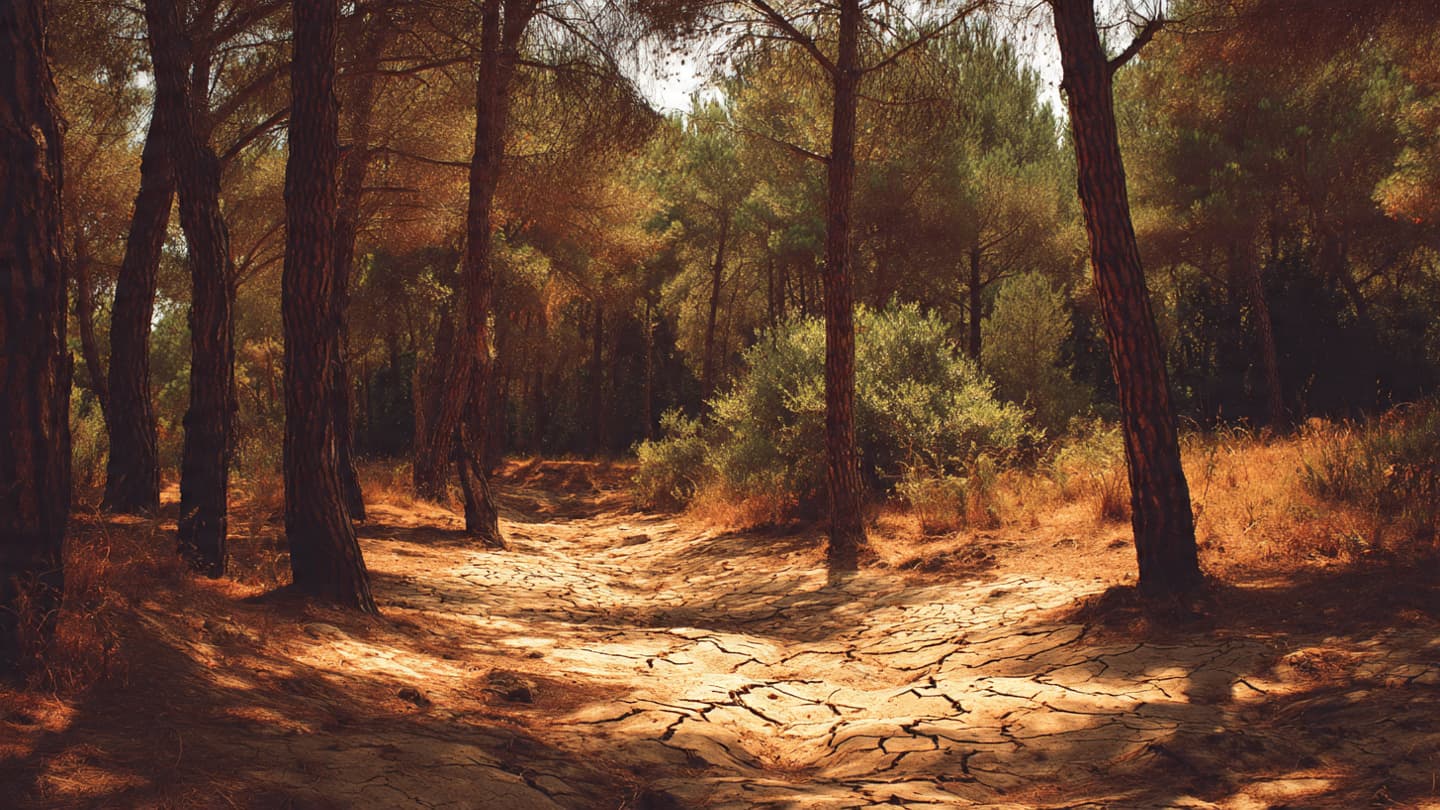
As southern France grapples with one of the most intense heatwaves of the year, the picturesque landscapes that define the region are under heightened threat from wildfires. The combination of soaring temperatures and prolonged dry spells has created conditions ripe for potential fire outbreaks, prompting authorities to intensify monitoring and preventive measures.
The current heatwave has been characterized by weeks of limited rainfall, leading to significantly reduced moisture levels in vegetation across several southern regions. What might typically be harmless under milder conditions can quickly escalate into a serious threat when heat and dryness persist. Firefighters and emergency services are on high alert, increasing patrols in areas deemed particularly vulnerable to wildfires.
To combat the risk, authorities are employing a range of surveillance techniques, including observation towers and aerial monitoring operations. These systems are designed to detect potential fire outbreaks as early as possible, emphasizing that rapid detection is crucial in preventing small incidents from escalating into large-scale emergencies. Environmental specialists warn that wildfires often arise from a combination of factors, including high temperatures, dry vegetation, strong winds, and human activity, making vigilance essential during extreme heat.
Residents and visitors are being urged to exercise caution when engaging in outdoor activities. In some areas, restrictions on certain activities have been implemented, while public awareness campaigns are promoting responsible behavior in forests, parks, and rural environments. The overarching message from authorities is clear: prevention is far easier than containment.
For local communities, preparing for wildfires has become a seasonal responsibility. Municipal authorities are actively reviewing emergency plans, coordinating with firefighting services, and disseminating safety information to residents. These proactive measures reflect years of experience in managing increasingly challenging environmental conditions across southern Europe.
Climate researchers are closely examining the relationship between rising temperatures and wildfire activity. While individual fires depend on local circumstances, broader trends indicate that hotter and drier conditions are likely to increase the frequency and severity of fire seasons. Consequently, adaptation strategies are becoming integral to regional planning efforts.
Agricultural communities are also closely monitoring the situation, as farms, vineyards, and rural businesses often operate near natural landscapes. Protecting property, crops, and infrastructure requires ongoing vigilance during periods of elevated fire danger. Despite the heightened concerns, officials emphasize that the alerts are intended to foster preparedness rather than incite panic. Firefighting resources remain on standby, monitoring systems are active, and emergency services are prepared to respond if necessary.
As southern France navigates another week of exceptional temperatures, the landscape remains under careful observation. With clear skies and intense sunshine overhead, authorities are hopeful that awareness, preparation, and favorable conditions will help avert a more serious environmental emergency.
Published by Banx Network. This article is part of the Banx decentralized media programme, powered by the BXE token on the XRP Ledger.



