
Key Highlights
- Incident:A bushfire in Western Australia has claimed one life.
- Damage:Multiple homes have been destroyed in the blaze.
- Response:Authorities are urging residents to stay informed about evacuation orders.
The rugged landscapes of Western Australia are known for their breathtaking beauty and inherent volatility. Recently, this duality was starkly highlighted by a bushfire that erupted, claiming one life and destroying multiple homes. The incident serves as a poignant reminder of the unpredictable nature of the environment and the risks faced by those who choose to live in such close proximity to the wild.
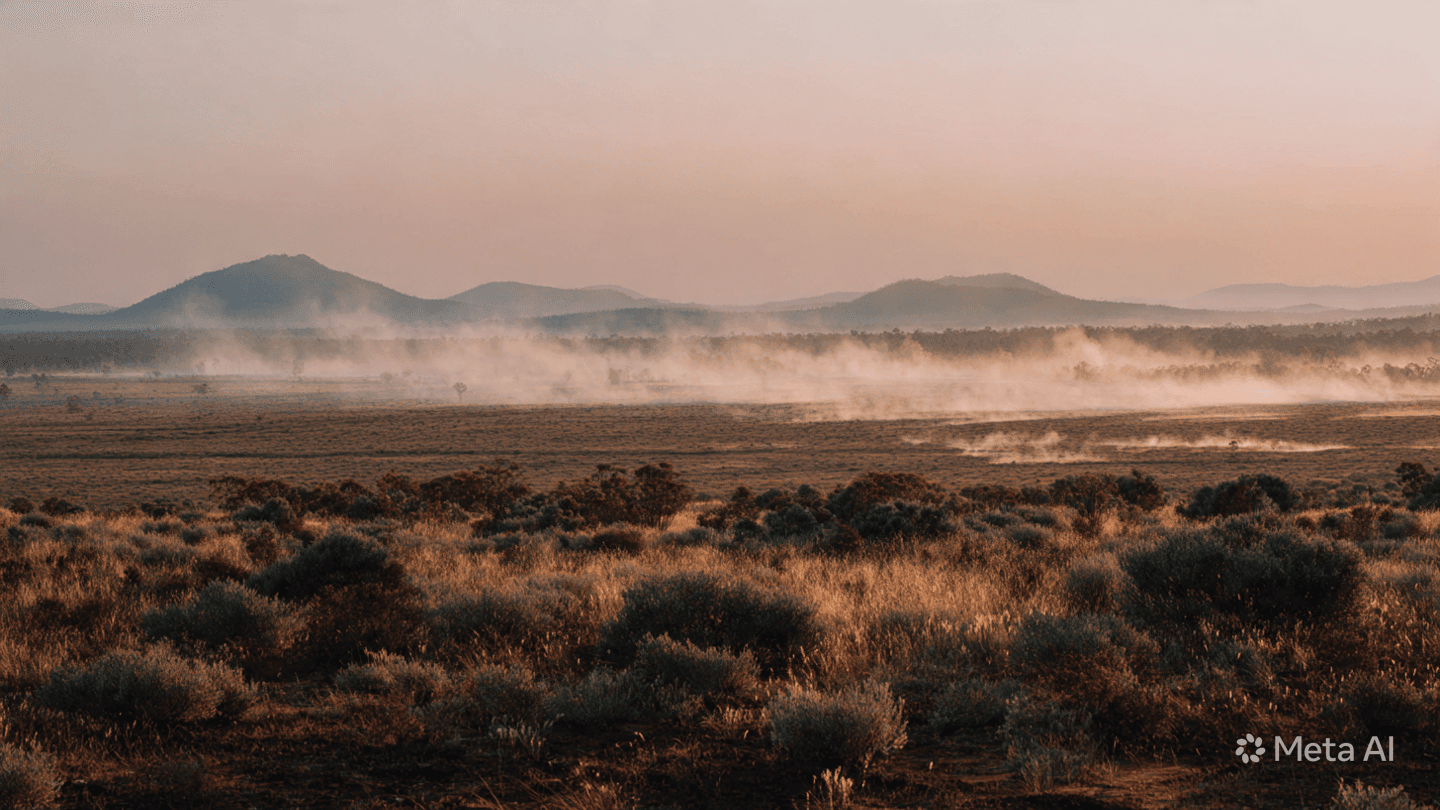
When the fire ignited, it transformed the serene bushland into a chaotic scene of destruction. The flames, fueled by dry undergrowth and strong winds, spread rapidly, overwhelming firefighting crews who raced against time to contain the blaze. The urgency of their mission was palpable as they navigated through smoke and flames, driven by a commitment to protect lives and property.
The aftermath of the fire has left a profound impact on the local community. The loss of life resonates deeply, creating a void that echoes through families and friends. Each passing represents not just a statistic but a story, a life intertwined with the land. The community is now left to grapple with the emotional fallout, reflecting on the delicate balance between human habitation and the unpredictable forces of nature.
In the wake of such tragedies, investigations are launched to analyze the conditions that led to the fire. Experts examine factors such as the dryness of the undergrowth, wind patterns, and other environmental triggers. This analytical process is crucial for understanding how to prevent future incidents and to improve fire safety measures. It emphasizes the need for vigilance among residents living on the edge of wilderness areas.
The bushfire has sparked a broader conversation about fire safety and the importance of preparedness. Authorities are urging residents to stay informed about potential evacuation orders and to heed warnings from fire services. This dialogue is essential for fostering a culture of caution and respect for the natural world, particularly as climate change continues to influence weather patterns and increase the frequency of such disasters.
As the community begins to heal, the focus will shift towards rebuilding and recovery. Local leaders are calling for support and resources to assist those affected by the fire. The resilience of the community will be tested, but the shared experience of loss and recovery can also serve to strengthen bonds among residents.
In conclusion, the recent bushfire in Western Australia is a stark reminder of the power of nature and the vulnerabilities faced by those living in its midst. As the community reflects on this tragedy, it is crucial to prioritize safety and preparedness to mitigate the risks of future incidents.
Published by Banx Network. This article is part of the Banx decentralized media programme, powered by the BXE token on the XRP Ledger.



