

Key Highlights
- Wildfires in Ontario have led to evacuations of remote First Nations communities.
- Over 100 active fires in Ontario are classified as out of control.
- Air quality alerts extend beyond Ontario into the U.S. Midwest and Northeast.
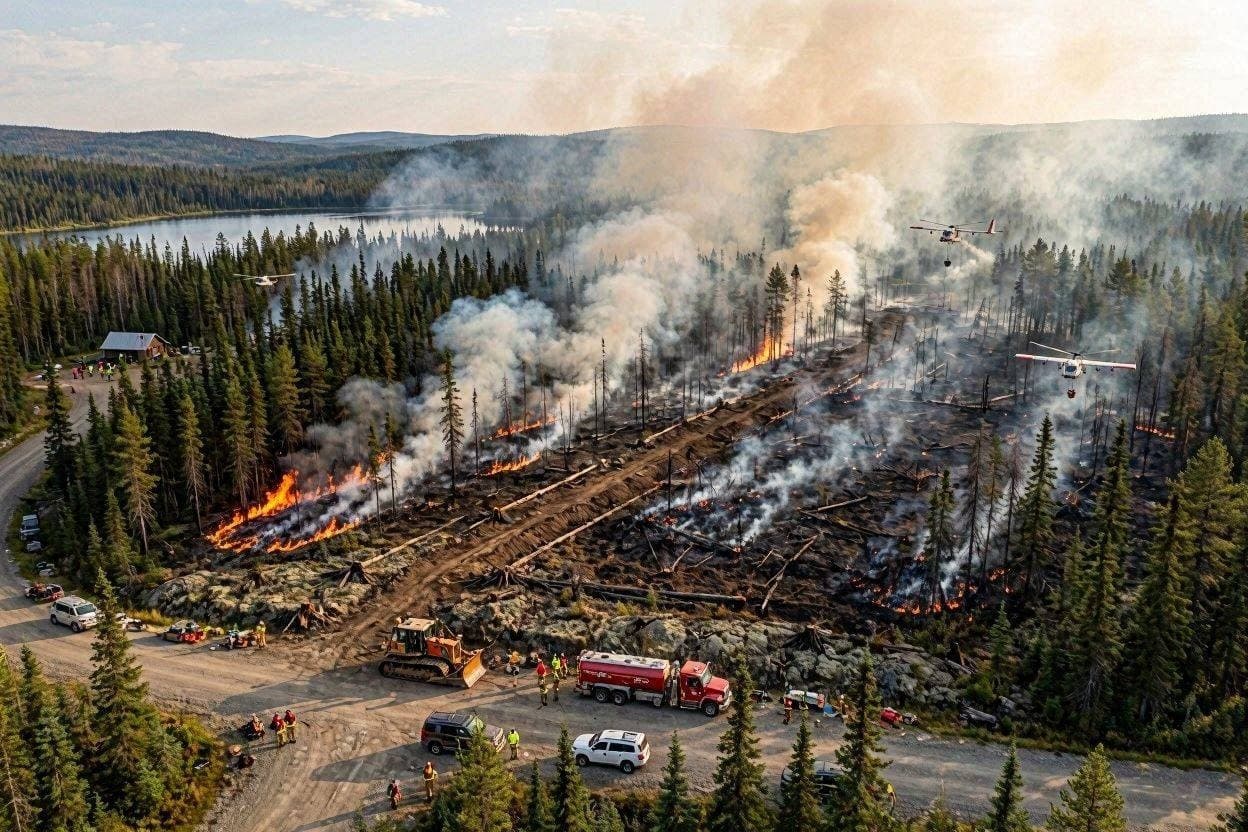
The forests of Ontario, often seen as symbols of resilience, are currently facing unprecedented challenges as wildfires rage across the province. The 2026 wildfire season has emerged as one of the most severe in recent memory, with hundreds of active fires recorded nationwide. In Ontario alone, more than 100 fires are classified as out of control, prompting emergency officials to prepare for potential evacuations in vulnerable communities.
As the situation escalates, provincial authorities have sought federal assistance to deploy aircraft, personnel, and other emergency resources swiftly. The combination of dry conditions, strong winds, and persistent heat has complicated firefighting efforts, making it crucial for officials to remain vigilant and proactive in their response strategies.
Several remote First Nations communities have already been evacuated, while others remain on high alert as fire activity continues to evolve. Given the limited road access in many northern regions, air transportation has become a vital lifeline during emergencies. This reliance on air travel underscores the importance of advance planning and coordination among various agencies to ensure the safety of residents.
The wildfires have not only threatened local communities but have also generated vast plumes of smoke that have spread well beyond Ontario's borders. Air quality alerts have been issued across much of the province and have extended into the U.S. Midwest and Northeast. Health officials are advising residents to limit outdoor activities and take precautions against smoke exposure, highlighting the broader impact of the wildfires on public health.
Transportation and business operations have also been significantly affected by the wildfires. In particular, rail traffic near Armstrong was temporarily suspended after a wildfire approached critical railway infrastructure. Additionally, some mining companies have paused operations and evacuated workers as a precautionary measure, further illustrating the extensive reach of the wildfires.
Firefighters, emergency responders, Indigenous leaders, and government agencies are working tirelessly to coordinate efforts aimed at protecting communities and critical infrastructure. Officials emphasize that weather conditions remain a key factor influencing the speed at which fires may spread or come under control. As response efforts continue, the focus remains on public safety, supporting affected communities, and monitoring the rapidly changing conditions.
Residents in areas at risk are encouraged to follow official evacuation instructions and public health guidance as emergency operations remain underway. The situation serves as a stark reminder of the power of nature and the resilience required from communities in the face of such challenges.
Published by Banx Network. This article is part of the Banx decentralized media programme, powered by the BXE token on the XRP Ledger.




