
Key Highlights
- Discovery:LiDAR technology reveals ancient earthworks in Otautahi.
- Cultural Significance:Findings reshape understanding of Māori history.
- Preservation Efforts:New techniques safeguard cultural heritage for future generations.
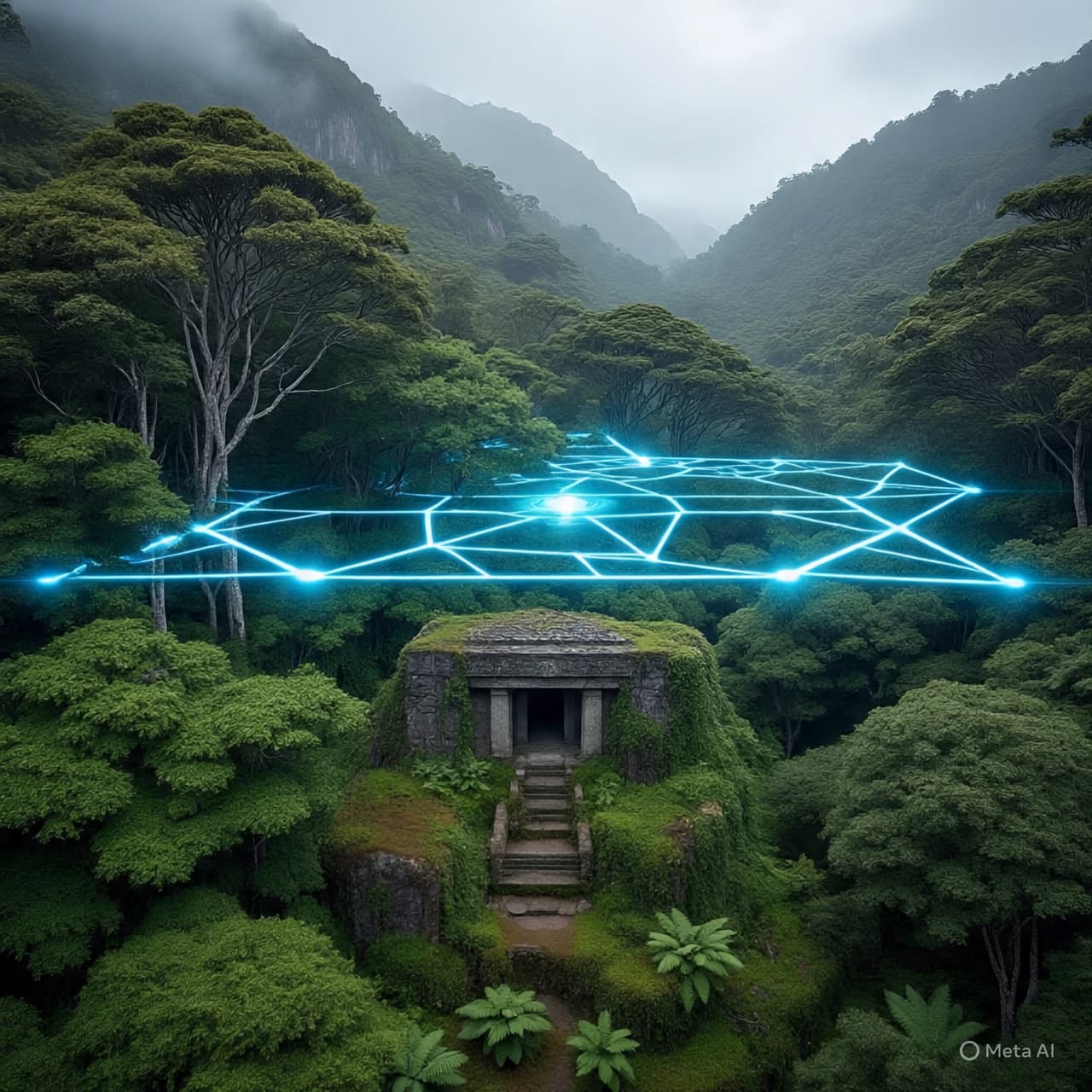
Recent archaeological efforts in Otautahi, Christchurch, have unveiled a hidden world of ancient earthworks and terraces, thanks to the innovative use of LiDAR technology. This non-invasive method allows researchers to penetrate dense vegetation and uncover significant historical features that were previously obscured. The findings challenge the perception of the landscape as merely a wild frontier, revealing it instead as a sophisticated and settled environment shaped by Māori ancestors.
The digital reconstructions produced from LiDAR scans showcase the deliberate handiwork of the ancestors, with ridges and pits indicating the presence of defensive pā and extensive garden systems. These features highlight a society that possessed intricate knowledge of land management, including drainage and agricultural practices. The evidence suggests that the Māori viewed the hills not just as natural scenery but as integral parts of their social and spiritual lives, transforming the earth into a canvas of cultural expression.
As archaeologists navigate through the physical bush, they are guided by the clarity provided by LiDAR technology. This process feels less like a discovery and more like a remembrance, as the scans reveal the choices made by past communities in their landscape. Each terrace and ditch tells a story of survival and adaptation, allowing modern researchers to appreciate the scale of the world that existed long before European contact.
The project serves as a bridge between the oral histories of the iwi and the empirical evidence gathered through modern technology. For generations, stories have been passed down about these landscapes, and the LiDAR findings validate these narratives, merging traditional knowledge with contemporary scientific methods. This reconciliation enriches our understanding of New Zealand's history, transforming the landscape from a blank slate into a rich tapestry of human ingenuity.
As sunlight filters through the lush ponga ferns, the air is imbued with the presence of those who once inhabited these heights. The earthworks uncovered are not merely remnants of the past; they challenge contemporary notions of nature, reminding us that the New Zealand landscape has been shaped by thousands of years of human interaction. The forest stands as a library of history, and we are only beginning to decipher its language.
The digital excavation work is crucial for protecting New Zealand’s cultural heritage amid rapid development and environmental changes. By accurately mapping these sites, archaeologists can ensure their preservation for future generations, safeguarding the physical memory of the land. This endeavor reflects a deep respect for the past, acknowledging that we are part of a much larger narrative.
Ultimately, the discovery of pre-colonial earthworks through LiDAR technology marks a significant advancement in New Zealand archaeology. It offers a non-invasive approach to surveying culturally sensitive sites, expanding the national inventory of historical landmarks. This research not only recognizes the sophisticated engineering and agricultural practices of Māori ancestors but also reinforces their central role in the nation’s identity. In the light of modern technology, the ancient world of Otautahi is finding its rightful place in contemporary discourse.
Published by Banx Network. This article is part of the Banx decentralized media programme, powered by the BXE token on the XRP Ledger.



