

Key Highlights
- Wildfires are spreading rapidly across western U.S. states.
- Thousands of firefighters and emergency personnel are mobilized.
- Communities face mandatory evacuations due to changing conditions.
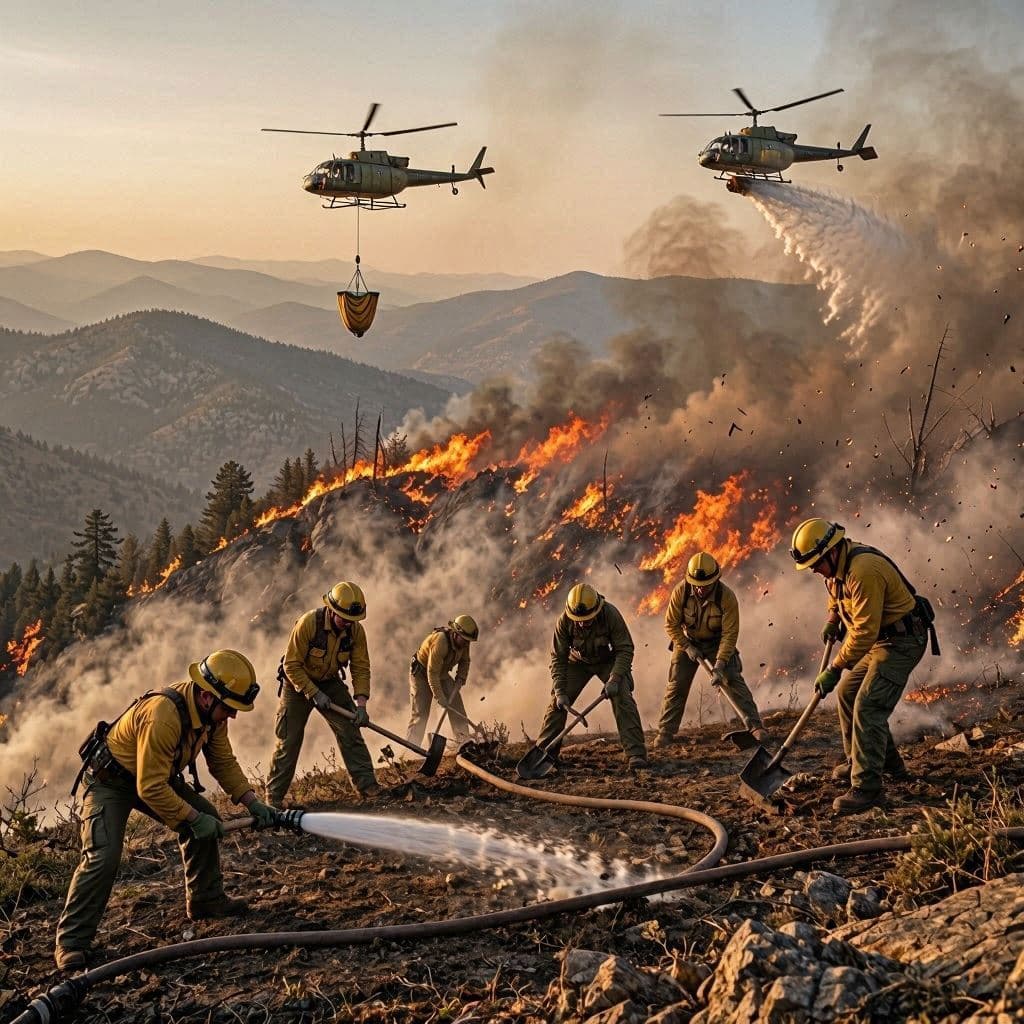
The wildfire season in the western United States has escalated dramatically, with multiple states grappling with large-scale fires that threaten communities and natural landscapes. As of this year, federal and state authorities have intensified their response efforts, mobilizing thousands of firefighters, National Guard personnel, and emergency resources to combat the flames. States such as Colorado, Utah, Arizona, and New Mexico are at the forefront of this crisis, with several communities already under mandatory evacuation orders due to rapidly changing weather conditions that complicate firefighting operations.
In response to the escalating situation, federal agencies have collaborated closely with state governors and local emergency management officials. Their coordinated efforts aim to facilitate evacuations, protect critical infrastructure, and provide necessary support for displaced residents. For instance, in Utah, officials declared a state of emergency and imposed temporary restrictions on fireworks ahead of the Fourth of July celebrations to mitigate the risk of additional human-caused fires during this exceptionally dangerous period.
Weather conditions have emerged as one of the most significant challenges for emergency crews battling the wildfires. Strong winds, extremely low humidity, and prolonged drought have contributed to the rapid expansion of several fires. In some instances, these adverse conditions have forced firefighting aircraft to remain grounded for safety, complicating efforts to contain the blazes. Officials have issued warnings that even a small spark could escalate into a large wildfire under the current circumstances, underscoring the urgency of the situation.
The ongoing wildfire response has also highlighted recent changes in federal wildfire management strategies. The U.S. administration has announced organizational reforms, including the establishment of a federal Wildland Fire Service and a renewed emphasis on rapid fire suppression. While officials assert that these changes are designed to better protect communities and infrastructure, some wildfire specialists have raised concerns about the long-term implications for forest management and ecological health.
As communities throughout the region adapt to the realities of repeated evacuations and prolonged uncertainty, many families have found themselves temporarily displaced multiple times as fire behavior shifts from day to day. Emergency shelters, local charities, and volunteer organizations have stepped up to support affected residents, providing essential resources and assistance while firefighters continue their containment efforts.
Authorities are urging residents to stay vigilant, monitor official evacuation notices, and avoid activities that could ignite new fires. Preparing emergency plans is crucial as the wildfire season progresses. Fire officials emphasize that public awareness remains one of the most effective tools for reducing additional wildfire risks during periods of extreme weather.
As the wildfire season continues to unfold, government agencies remain focused on protecting lives, property, and natural landscapes while adapting to rapidly changing conditions. Although many fires are expected to remain active for weeks, the foundation of ongoing recovery and public safety efforts lies in coordinated emergency responses and community cooperation.
Published by Banx Network. This article is part of the Banx decentralized media programme, powered by the BXE token on the XRP Ledger.




