
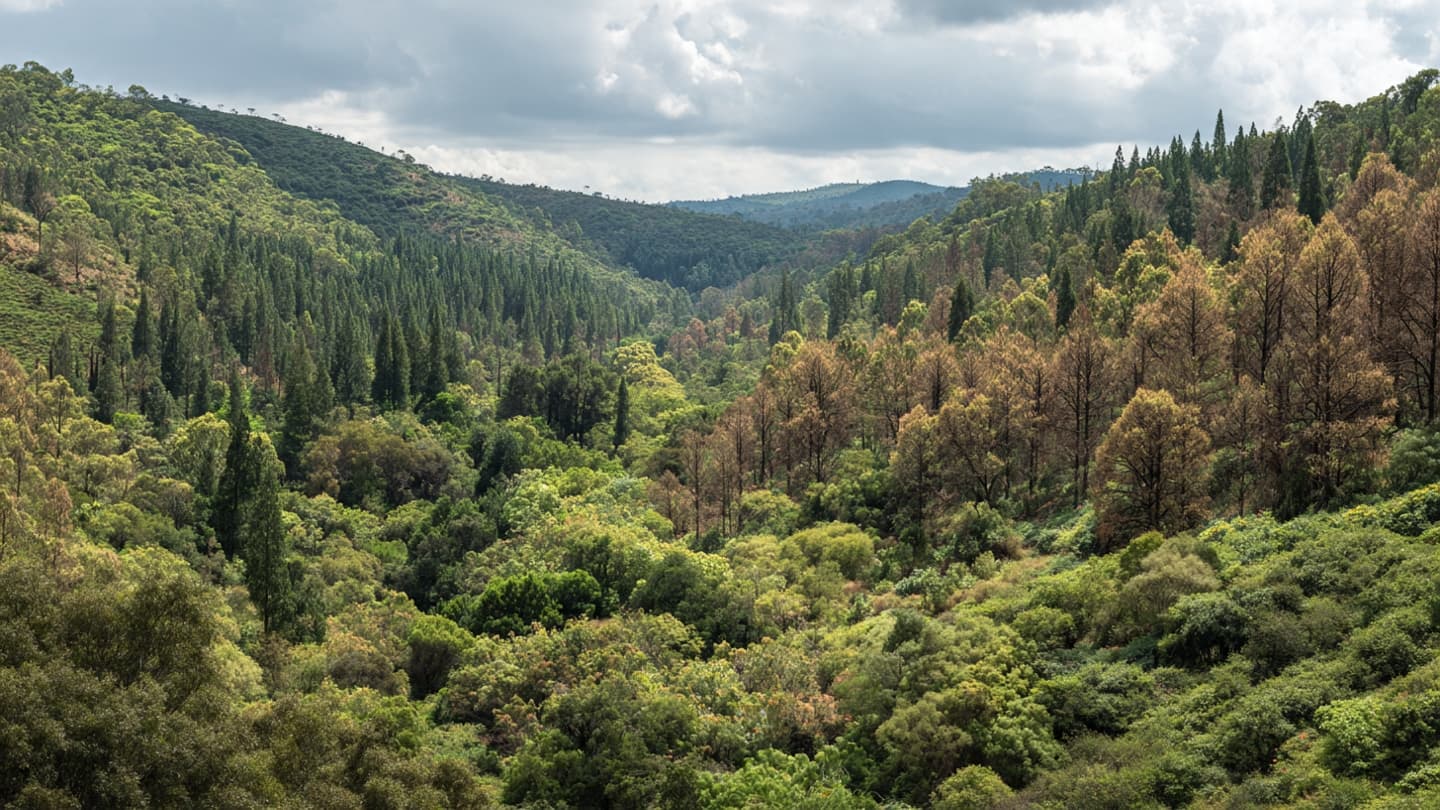
The earth often tells its stories quietly. Not through thunderous headlines or dramatic spectacles, but through subtle changes that unfold over years. A flower blooming later than expected, a forest edge retreating from familiar ground, or a meadow that gradually loses colors once taken for granted. Across the globe, scientists are observing these small signals gathering into a larger narrative.
Recent environmental assessments suggest that climate change is placing growing pressure on thousands of plant species. Rising temperatures, shifting rainfall patterns, prolonged droughts, and increasingly unpredictable weather are transforming habitats that many plants have relied upon for centuries. Areas once suitable for growth are becoming less hospitable with each passing season.
Plants occupy a unique place in the living world. They do not migrate across continents with the ease of birds, nor seek shelter like mammals during changing conditions. Instead, they remain rooted, adapting where possible and enduring where necessary. Yet adaptation has limits, particularly when environmental changes occur faster than ecosystems can naturally adjust.
Researchers have documented shrinking habitats across forests, wetlands, grasslands, and mountain regions. In many areas, native plant species are gradually losing ground as climatic conditions move beyond their tolerance ranges. Some species may shift toward cooler elevations or latitudes, but others have nowhere left to go.
The consequences extend far beyond individual plants. Entire ecosystems are interconnected through delicate relationships. Pollinators depend on flowering cycles. Wildlife relies on vegetation for shelter and food. Soil stability, water regulation, and carbon storage all benefit from healthy plant communities. When one element weakens, many others can feel the effects.
Scientists also note that biodiversity serves as a form of resilience. Ecosystems rich in species diversity often recover more effectively from disturbances. As plant diversity declines, landscapes may become more vulnerable to disease outbreaks, invasive species, and environmental shocks. The loss is therefore ecological as much as botanical.
Communities around the world are responding with conservation efforts. Protected areas are expanding in some regions, while seed banks preserve genetic diversity for future generations. Restoration projects aim to rebuild damaged habitats and strengthen ecosystems against future pressures. Though challenges remain significant, these initiatives represent practical steps toward preserving biological heritage.
Technology is also contributing to the effort. Satellite monitoring, climate modeling, and advanced ecological surveys provide researchers with better tools to identify vulnerable regions and prioritize conservation actions. Improved data allows decision-makers to respond more effectively before losses become irreversible.
Yet beneath scientific reports lies a broader reflection about humanity’s relationship with nature. Plants form the background of daily life so consistently that their presence often escapes notice. Forests, fields, and gardens appear permanent, even though they remain subject to change. The current situation reminds us that stability itself can be fragile.
For now, researchers continue monitoring developments while conservation groups work to protect threatened habitats. The future of many plant species will depend on environmental conditions in the coming decades, as well as the collective efforts undertaken to safeguard ecosystems that sustain life across the planet.
AI Image Disclaimer
Images in this article are AI-generated illustrations, meant for concept only.
Source Check Credible sources identified:
Reuters United Nations Environment Programme (UNEP) Intergovernmental Panel on Climate Change (IPCC) World Resources Institute (WRI) Nature
Note: This article was published on BanxChange.com and is powered by the BXE Token on the XRP Ledger. For the latest articles and news, please visit BanxChange.com