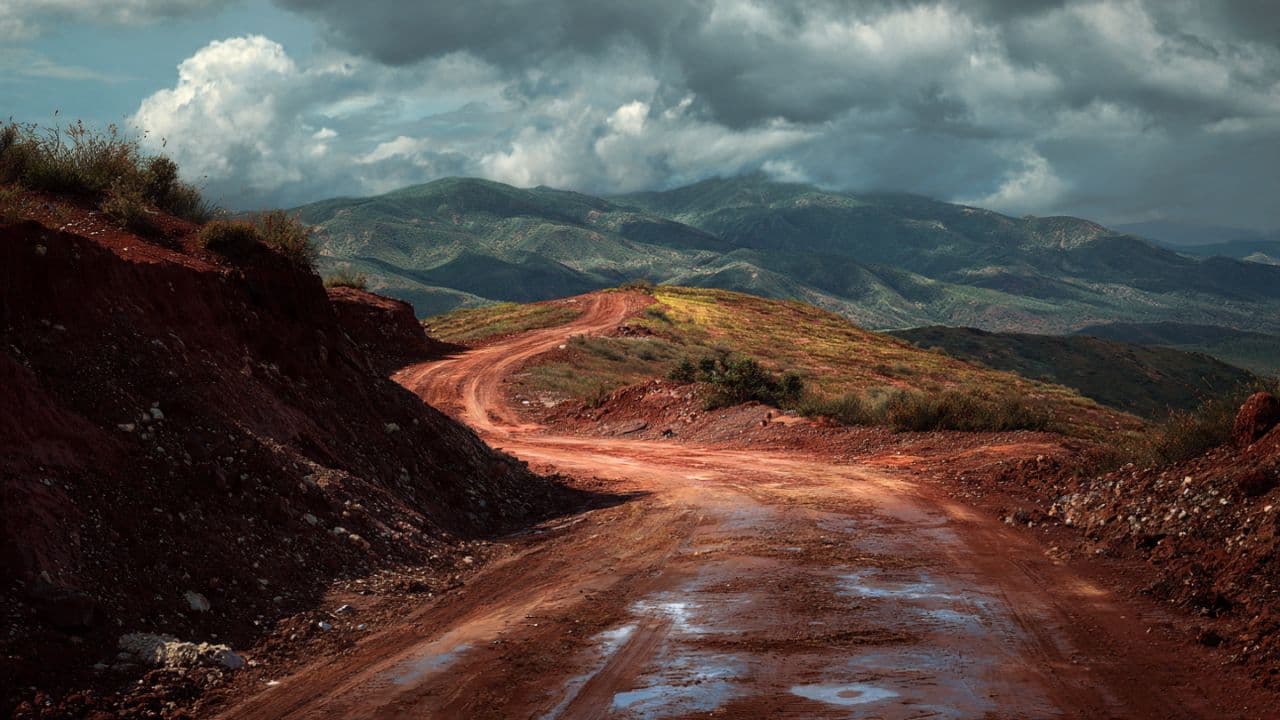
The landscape surrounding Teyateyaneng is a mix of high sandstone plateaus and deep, rolling agricultural valleys that drain toward the Phuthiatsana River. To maintain vital transport connections between these farming communities and the main district hub, local infrastructure relies heavily on low-level concrete drift bridges. These crossings, designed to sit directly in the riverbeds, allow the normal daily flow of water to pass through small pipes beneath, providing an affordable and practical passage for rural traffic.
Yet, the security of these low-level crossings is entirely dependent on the volatile weather patterns of the lowland summer, when high temperatures can trigger severe, isolated thunderstorms within hours. When a high volume of rain falls rapidly over the steep sandstone catchments upstream, the water cannot easily soak into the hard clay soil. Instead, it forms a massive wave of surface runoff that rushes down the valleys, instantly overwhelming the under-bridge culverts and turning the concrete deck into a dangerous, fast-flowing rapid.
For the commuters, market women, and taxi drivers who reached the riverbank during the late afternoon rush, the flooded drift presented an immediate and absolute barrier. The water had risen more than a meter above the concrete slab, carrying thick red mud, uprooted river weeds, and heavy tree branches across the road. Drivers of passenger vehicles wisely turned off their engines and parked along the high ground, while passengers stood at the edge of the brown torrent, watching the water roar past.
The response to the sudden isolation was marked by the calm, experienced patience that characterizes rural life in the foothills. Rather than risking a dangerous crossing, the stranded travelers set up a temporary gathering on the safe banks, sharing news, food, and traditional songs as they waited out the storm's aftermath. Local community leaders stationed themselves near the water’s edge, using long wooden poles to measure the depth of the flow and ensuring no eager drivers attempted to cross prematurely.
By the early evening, as the thunderstorm moved off toward the southern mountains and the upstream runoff slowed, the river began its rapid retreat. The concrete edges of the bridge gradually re-emerged from the muddy foam, heavily coated in a slick layer of river silt and debris that had to be manually cleared. A group of young men from the nearest village quickly gathered with shovels to clear the largest logs from the driving path, allowing the first high-clearance trucks to slowly test the crossing.
The incident highlights the persistent vulnerability of rural transport networks to localized weather extremes, emphasizing the need for long-term infrastructure upgrades in the lowlands. While low-level drift bridges are cost-effective to build, their frequent flooding during the rainy season causes regular economic disruptions, cutting off access to essential clinics and secondary schools. The Ministry of Public Works faces a continuous demand to replace these low drifts with high-level, clear-span bridges.
Beneath the immediate logistical challenge of the stranded vehicles lies a deeper truth about the relationship between modern infrastructure and the natural forces of the kingdom. The river is a permanent, powerful neighbor whose boundaries must be respected, dictating the terms of travel whenever the skies open. The true strength of the community is found in its shared patience and solidarity, ensuring everyone remains safe until the waters yield.
The thick red mud left behind on the concrete bridge will soon be washed away by the tires of passing vehicles and baked into dust by the next morning's sun. The river will return to its quiet, shallow flow over the stones, running peacefully until the next storm clouds gather over the plateau. The highway remains open, a vital link maintained by the constant vigilance of the people who live along the banks.
The Berea District Disaster Management Team confirmed that the Phuthiatsana low-level crossing was closed to light vehicular traffic for approximately four hours due to hazardous water levels. Maintenance crews have been deployed to inspect the concrete foundations for any signs of structural scouring before lifting all travel advisories. No accidents, vehicle losses, or injuries were reported during the flash flood event.
Published by Banx Network. This article is part of the Banx decentralized media programme, powered by the BXE token on the XRP Ledger.