

Key Highlights
- Tragic Loss:Two firefighters died battling a wildfire in Crete.
- Community Impact:Thousands evacuated as flames threatened homes and nature.
- Ongoing Challenges:The incident raises concerns about wildfire preparedness in the Mediterranean.
The Mediterranean region is known for its stunning landscapes and rich history, but it also faces the harsh realities of climate change and extreme weather events. Recently, the Greek island of Crete experienced a devastating wildfire that underscored the urgent need for effective disaster response and community resilience. The fire, which resulted in the tragic deaths of two firefighters, prompted mass evacuations and highlighted the dangers faced by those on the front lines of firefighting.
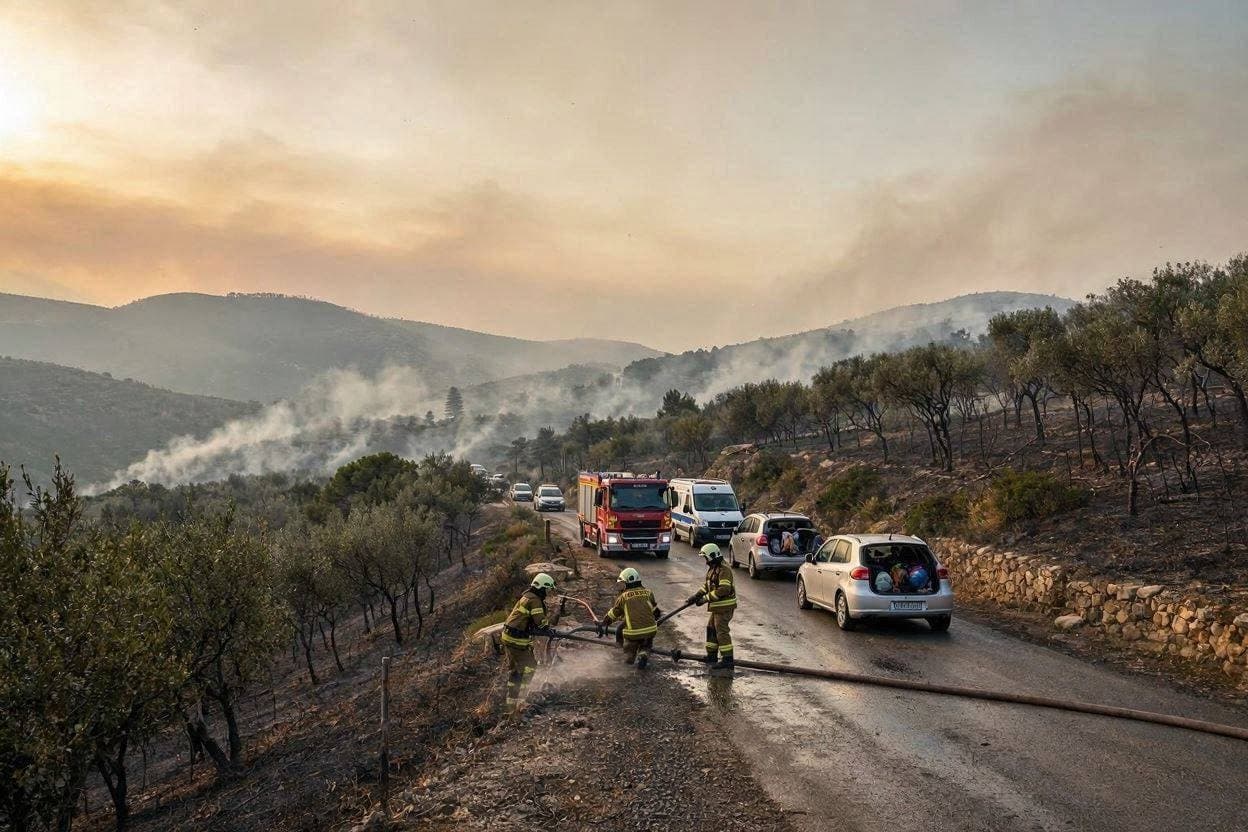
As flames engulfed parts of Crete, emergency services sprang into action, evacuating thousands of residents and tourists from areas deemed unsafe. The rapid spread of the fire, fueled by dry vegetation and strong winds, forced authorities to make quick decisions about evacuation routes and safety measures. This incident serves as a stark reminder of the unpredictable nature of wildfires and the critical importance of preparedness and timely response.
The loss of the two firefighters has cast a shadow over the community, drawing attention to the sacrifices made by emergency workers who risk their lives to protect others. Each wildfire response is fraught with danger, as firefighters face intense heat, unpredictable winds, and rapidly changing fire behavior. Their dedication and bravery are essential in safeguarding communities, yet the risks they encounter are ever-present.
Crete's experience is not isolated; many Mediterranean regions are grappling with increasing wildfire risks due to climate change. The combination of high temperatures, prolonged droughts, and strong winds creates an environment where fires can spread rapidly. As a result, local authorities are being urged to invest in better wildfire prevention strategies, including improved warning systems and firefighting resources.
The aftermath of the wildfire will leave lasting scars on the affected communities. Recovery from such disasters is a long and arduous process, often requiring significant resources and support. Homes, businesses, and natural landscapes can be severely impacted, and the emotional toll on residents can be profound. The road to recovery will necessitate cooperation among community members, local officials, and support organizations.
This wildfire incident also contributes to a broader global dialogue about disaster preparedness and climate-related risks. Communities worldwide are increasingly recognizing the need to enhance their emergency planning and response capabilities in the face of severe natural events. The lessons learned from Crete's experience may serve as a valuable case study for other regions facing similar challenges.
As Crete begins to assess the full impact of the wildfire, the focus will remain on restoring safety and supporting those affected. The tragic loss of the two firefighters serves as a poignant reminder of the dedication and sacrifice inherent in disaster response efforts. The resilience of the community will be tested, but with time and support, recovery is possible.
Published by Banx Network. This article is part of the Banx decentralized media programme, powered by the BXE token on the XRP Ledger.




