
Key Highlights
- Bangladesh's textile industry is a vital economic driver, employing millions.
- The shift towards sustainable practices is reshaping production methods.
- Industry leaders emphasize worker safety and environmental responsibility.
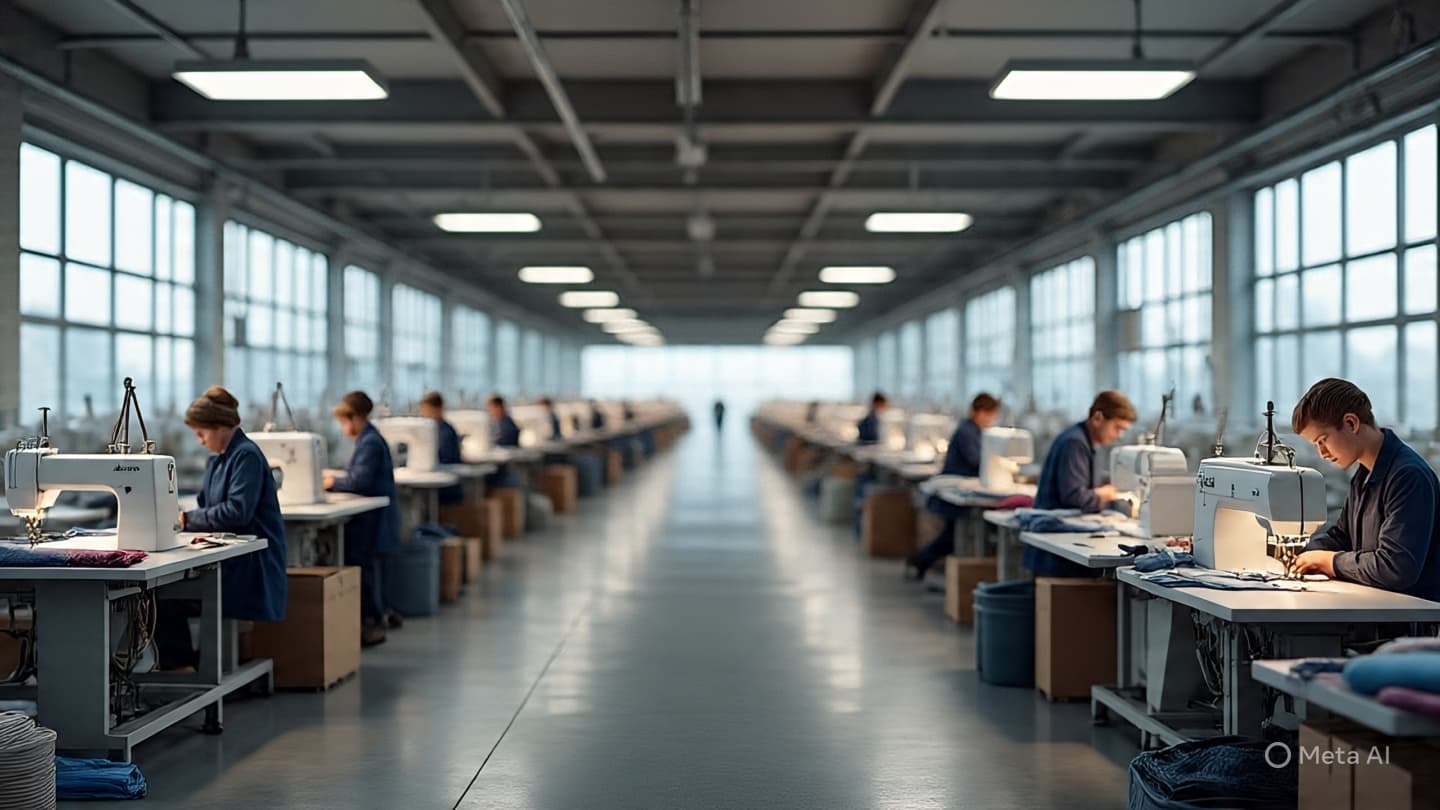
The air within the textile hubs of Narayanganj carries a particular, rhythmic vibration—the sound of a million needles and the soft, persistent hum of the looms. This environment is where the economic identity of Bangladesh is woven daily into the garments that clothe the world. From sprawling factories to specialized workshops, the landscape is a tapestry of human effort and mechanical precision. The nation builds its prosperity through the mastery of a craft, telling a story of industrial evolution written in the language of the seam and the thread.
Observing the latest innovations in sustainable textile production reveals a profound act of industrial stewardship. It represents a dialogue between manufacturers and the global market, seeking to balance growth demands with environmental responsibility. The atmosphere is one of focused production; every roll of fabric symbolizes progress, and every improvement in safety standards is a victory for collective well-being. In this space, the factory is not just a workplace but a vital engine for the nation’s social and economic advancement, where the skill of the worker meets the clarity of design.
Industry leaders approach their tasks with a sense of sacred trust, ensuring the continued relevance of the Republic’s exports. While fast fashion often moves with frantic speed, the movement toward 'Green Factories' in Bangladesh remains a sanctuary of foresight. The production cycle's rhythm is a heartbeat, insistent and vital, pulsing with the desire to provide high-quality goods while protecting the delta's resources. This narrative of persistence is played out in small, significant acts of the manufacturing process—the inspection of a garment, the recycling of water, or the implementation of solar power on factory roofs.
The journey of a single cotton fiber from bale to finished shirt is defined by the dexterity of hands and the efficiency of machines. This process is central to the nation’s export identity, where the lessons of the past and the demands of the future are applied with somber intensity. The garment floor serves as a stage for this quiet transformation, a sanctuary where blueprints for a more sustainable and competitive industry are being realized.
The relationship between the textile sector and the broader community is characterized by deep mutual respect. There is a shared understanding that continued growth requires ensuring the safety and dignity of the workforce. By committing to international compliance and supporting workers' rights, the industry builds a reservoir of trust that defines the modern landscape. This strategic embrace of the global supply chain seeks harmony in a world that often feels competitive and demanding.
The atmosphere of the industrial zones remains familiar, yet the internal life of the textile scene is subtly shifting. It is a node in a global network of fashion and commerce, where Bangladesh's manufacturers collaborate with international brands to redefine ethical production standards. This architecture of modern industry is built on respect for workers and the boundless potential of the human spirit to innovate. It is a story of how national strength is defined through the quality of what is created.
As the shift ends and the factories' lights glow against the evening sky, the narrative of the production day reaches a peaceful conclusion. There is a palpable sense of contribution—the feeling of a story told in the language of the finished product and fulfilled orders. This is not just about export volume or shipment value; it is about the dignity shown in labor and the respect afforded to the industry's power. The transition to night signals the sector’s continuity, a moment where the day’s effort meets the readiness of tomorrow.
The journey toward a world-class textile industry is a testament to the steady hands guiding the needle and loom through the complexities of the global market. In this motion, Bangladesh is weaving a future that honors both tradition and innovation.
Published by Banx Network. This article is part of the Banx decentralized media programme, powered by the BXE token on the XRP Ledger.



