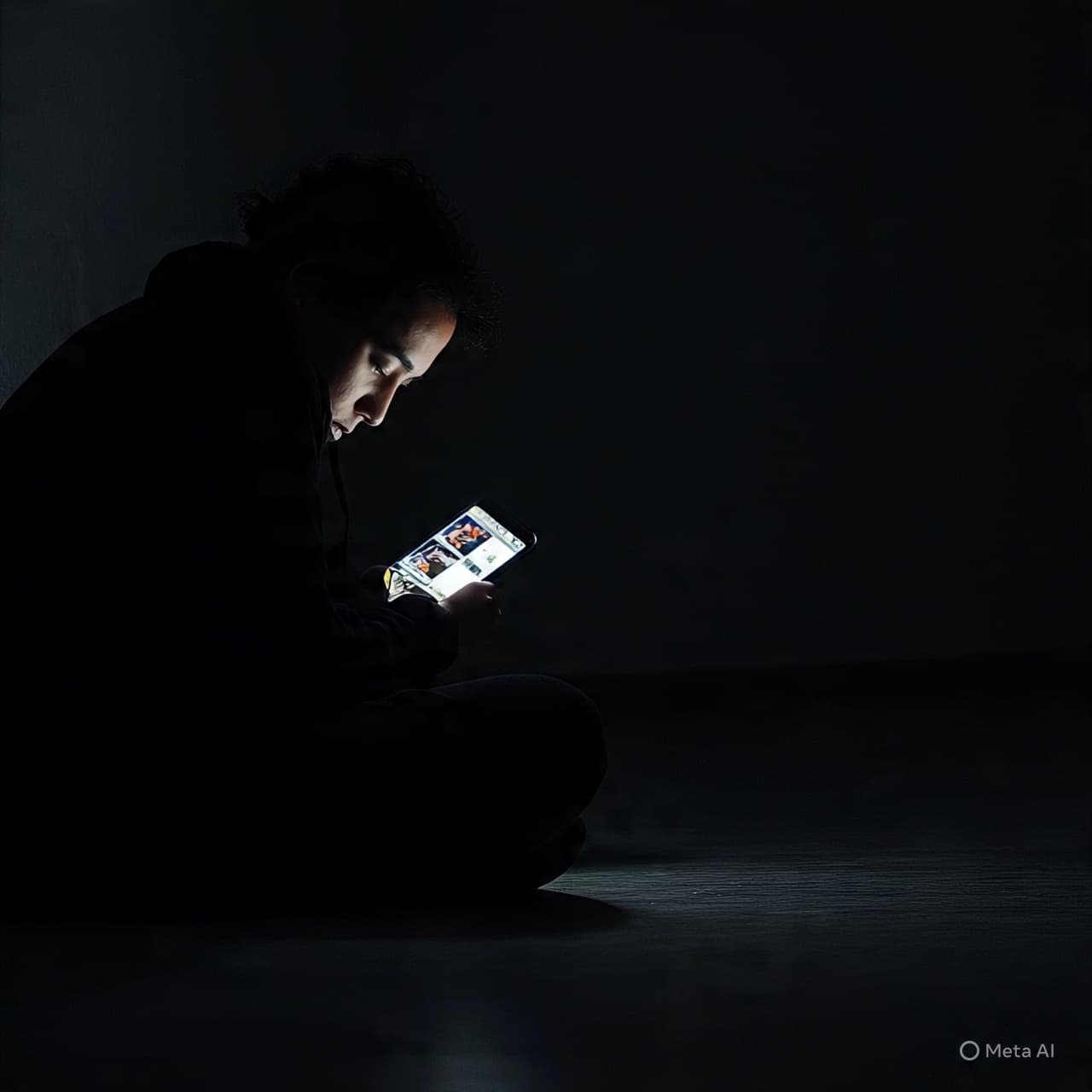
The debate begins quietly, as it often does, inside scrolling thumbs and half-noticed absences. A video fails to appear where it once would have. A search yields fewer results than expected. For some creators and users in the United States, the sense that something is missing has hardened into accusation.
TikTok US is pushing back against claims that it is censoring content, rejecting allegations that its moderation practices suppress particular viewpoints or topics. The company says its policies are applied consistently and are designed to enforce community standards, not to shape political or social narratives.
At the center of the dispute is visibility. On a platform where attention is measured in seconds and reach is algorithmic rather than editorial, moderation can feel indistinguishable from silence. TikTok maintains that removals and reduced distribution are the result of rule enforcement around safety, misinformation, and harmful behavior, rather than ideological filtering.
The timing matters. TikTok remains under intense scrutiny in the United States, where concerns about national security, data handling, and foreign influence continue to surround the platform. In that environment, moderation decisions are rarely interpreted as neutral. Each removed video becomes part of a larger story about power, control, and trust.
Company representatives say many claims of censorship stem from misunderstandings of how automated systems work. Content may be limited temporarily, flagged for review, or affected by technical changes that alter visibility without removing posts entirely. These distinctions, however, are rarely visible to users experiencing sudden drops in engagement.
For creators whose livelihoods depend on reach, the explanation can feel abstract. Algorithms do not announce themselves, and moderation rarely comes with detailed justification. The gap between policy language and lived experience leaves room for suspicion, especially in a climate where platforms are expected to function as both public forums and private businesses.
TikTok’s response is an attempt to steady that gap, to assert that its systems are rule-bound rather than agenda-driven. Whether that reassurance lands depends less on statements than on transparency users can feel in practice. Until then, the question lingers in the feed: is the silence intentional, or simply how the system breathes?
AI Image Disclaimer Visuals are AI-generated and serve as conceptual representations.
Sources TikTok US U.S. lawmakers Digital rights organizations Technology policy analysts
Published by Banx Network. This article is part of the Banx decentralized media programme, powered by the BXE token on the XRP Ledger.