The home is often envisioned as a sanctuary—a place where the external world is held at bay by walls, windows, and the rhythmic comfort of habit. In the coastal quiet of Birżebbuġa, a residence on Triq il-Qajjenza was the setting for a moment that shattered this internal peace. It is a reminder of the inherent vulnerability that exists within our most private spaces, where the simple act of standing by a window can, in an instant, become a point of intersection between everyday life and a sudden, life-threatening descent.
When such a fall occurs, the world outside seems to pause. The mechanics of the incident are rapid, yet the consequences stretch forward into an indefinite future. The fifty-three-year-old woman who fell two storeys found herself at the center of an emergency that demanded the immediate mobilization of an entire support network. From the initial alarm raised in the morning light to the arrival of medical teams and the Civil Protection Department, the event transformed a domestic space into a site of urgent, clinical necessity.
Emergency responders move with a precision born of experience, their actions a choreographed response to the unpredictable nature of human trauma. In these moments, the emotional distance required to perform life-saving interventions is a necessary shield. They navigate the shock of the scene—the broken window, the stillness of the victim—with a singular purpose: to reclaim the life that has been so abruptly cast into peril. Theirs is a role defined by the steady, persistent effort to mitigate the damage caused by a fraction of a second.
As the woman was transported to Mater Dei Hospital, the narrative shifted from the site of the fall to the quiet, sterile intensity of the critical care unit. There, the fight for recovery becomes a deeply personal struggle, one that unfolds away from the public eye. The medical professionals working to stabilize her condition are the bridge between the sudden, violent past and a future that is currently held in delicate, uncertain suspension. It is a process of restoration that demands both technical mastery and a profound sense of human patience.
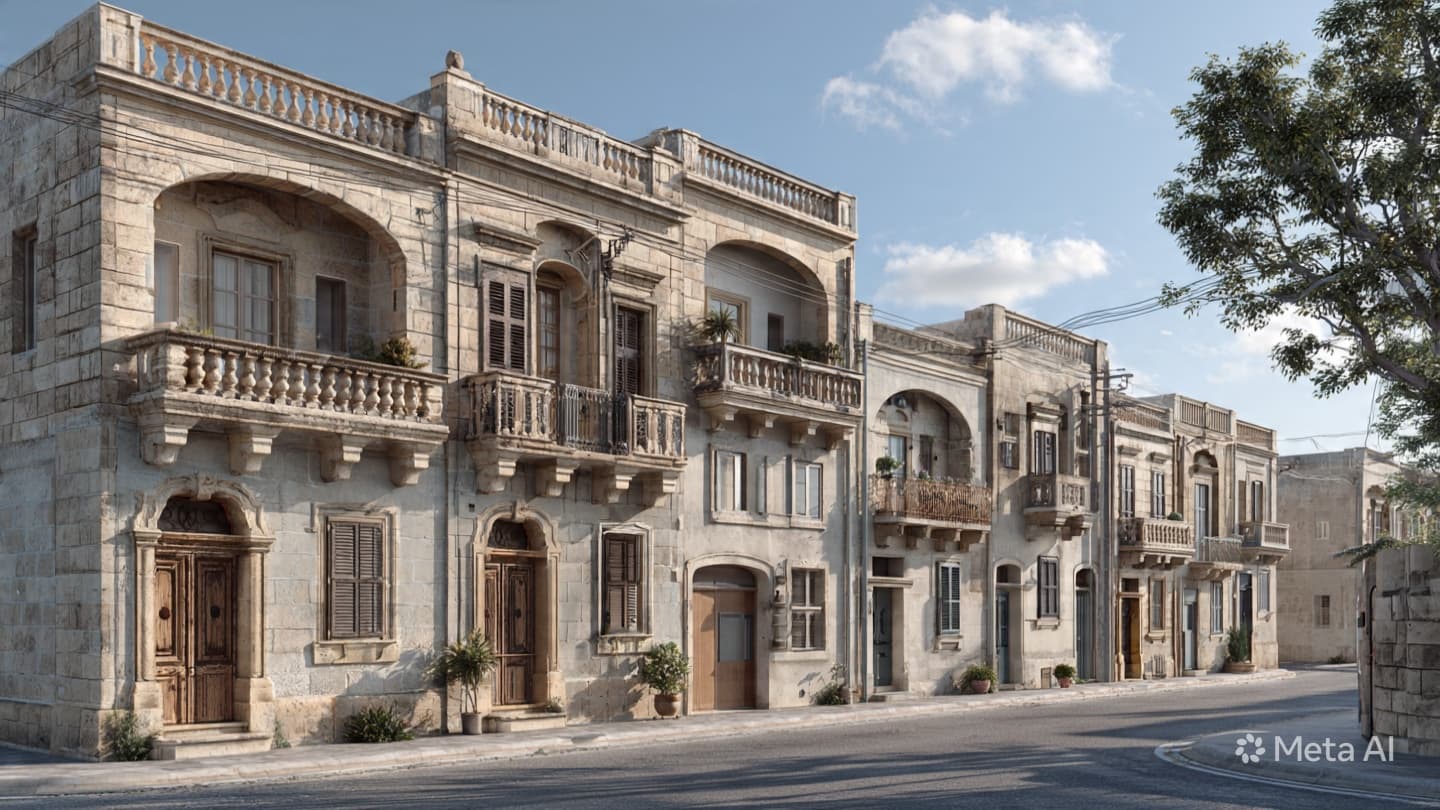
For those who witness such events, there is a lingering reflection on how quickly the ordinary is transformed. The house on Triq il-Qajjenza remains, its windows now a silent testament to the incident that occurred within. It invites a contemplation of the boundaries we live within and the unseen risks that accompany our daily movements. The event acts as a pause, forcing a recognition of the fragility that defines our existence, even when we are within the places we consider most secure.
The ongoing police investigation serves as a formal, analytical layer to the tragedy, seeking to understand the 'how' and 'why' behind the descent. While the facts of the event—the height, the time, the age of the victim—are easily cataloged, they do not fully capture the weight of the human experience. The inquiry is a necessary administrative procedure, yet it exists parallel to the much more profound, human story of endurance and the collective hope for a recovery that is far from guaranteed.
As the days turn, the community in Birżebbuġa continues to move around the site of the fall, their lives largely untouched by the specific details of the incident. This is the nature of a landscape: it absorbs the events that occur within it, even as those events leave indelible marks on the individuals directly involved. The woman, meanwhile, remains in a state of critical condition, her story now centered on the quiet, measured rhythms of hospital care.
In the quiet hours, it is worth reflecting on the interconnectedness that such events reveal. When a person is suddenly uprooted by a fall, the shockwaves are felt by family, by friends, and by the responders who arrive to provide aid. It is a collective recognition of our shared vulnerability and the essential nature of the support systems we have in place. The recovery, if it comes, will be a testament to the resilience of the human spirit and the tireless work of those who dedicate their lives to mending the broken.
Published by Banx Network. This article is part of the Banx decentralized media programme, powered by the BXE token on the XRP Ledger.

.jpg&w=3840&q=75 "Intelligence Agencies Suspect Russia Is Developing Anti-Satellite Weapon to Target Starlink")