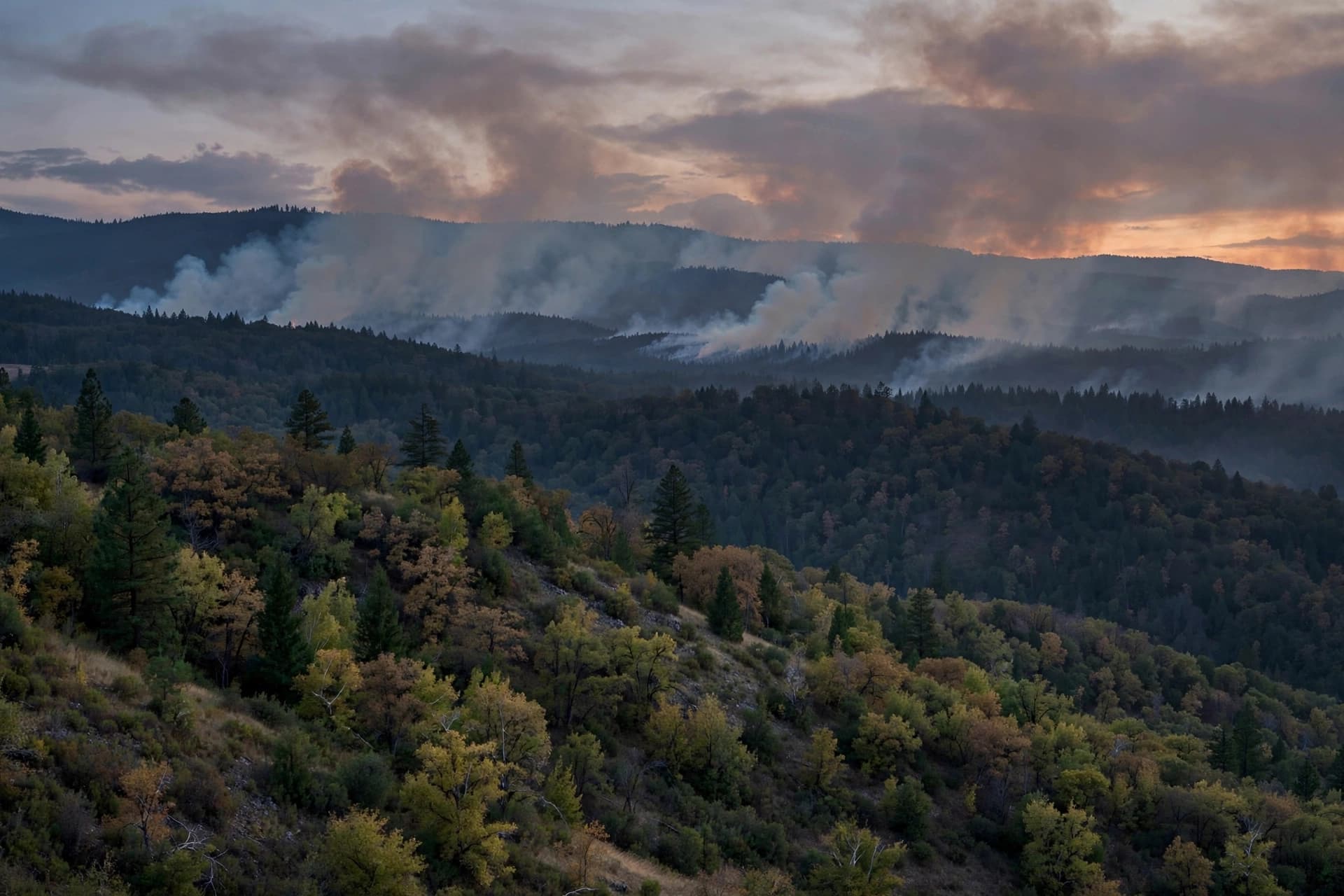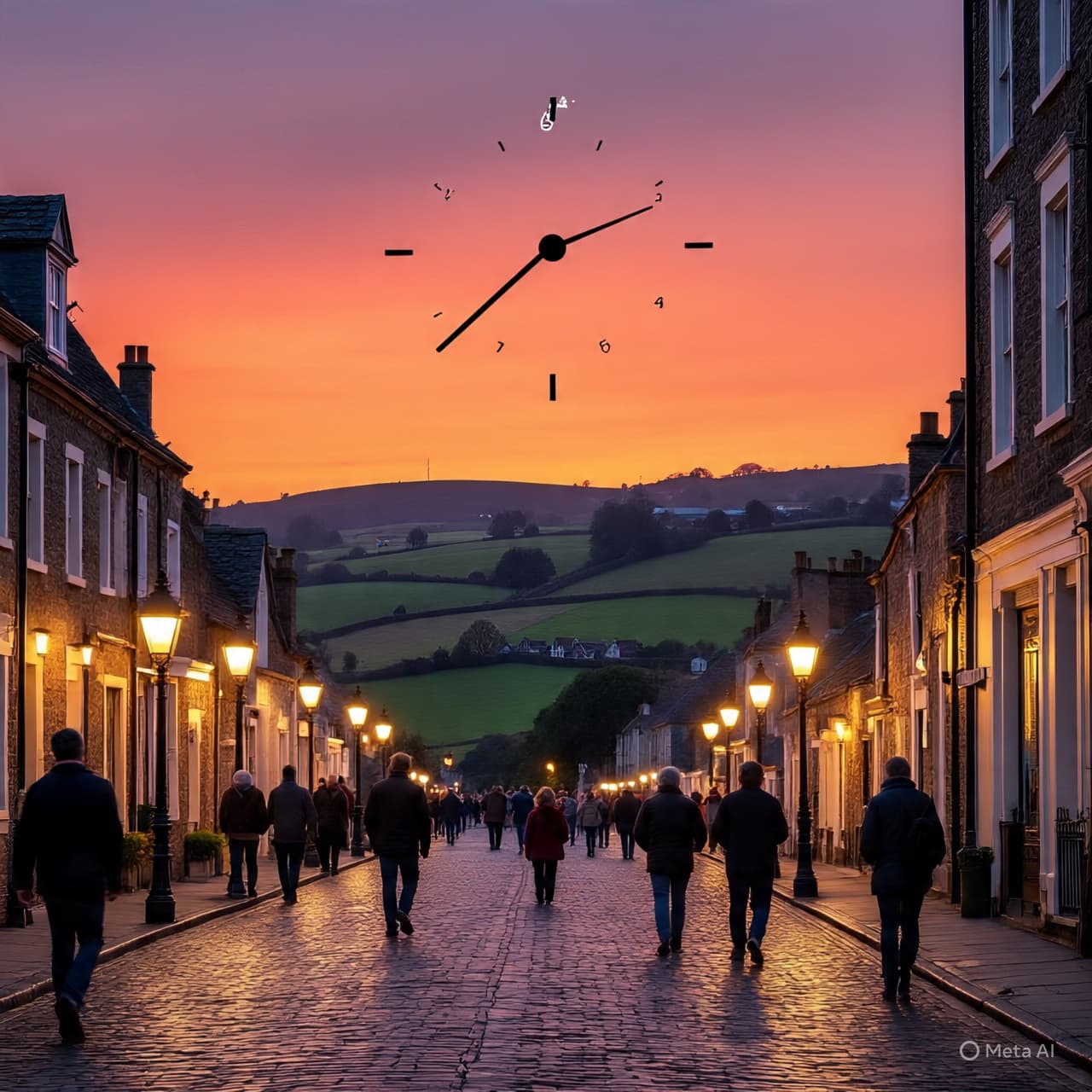
There is a curious grace to the passage of the seasons — like a slow tide that moves imperceptibly, yet inevitably reshapes the shorelines of our days. In Ireland, where the winter light lingers a bit longer now than in its deepest depths, thoughts turn to what that shift means in lived time: for routines, for moods, for the quiet dance between sunrise and sunset. Soon, in a familiar yet subtly altered ritual, the clocks will turn forward once again, ushering in a stretch of evenings touched with softer light and the gentle promise of longer days.
This year’s shift to Daylight Saving Time — when clocks advance by one hour — is set for Sunday, March 29, 2026, at 1 a.m., slightly earlier than it did in the previous year by virtue of the calendar’s alignment. Like an age-old tradition that quietly adapts, the act of “springing forward” offers a small but welcome transformation from winter’s resignation to a burgeoning anticipation of spring. On that morning, many will lose a short hour of sleep, but in return, the horizon will stretch its light past 8 p.m., a milestone that for many feels like a herald of warmth and shared moments after the working day.
In recent weeks, sunset times across Ireland have already been inching later as the Earth’s tilt gradually tilts away from winter’s shorter days. Mid-January once saw the sun dipping below the horizon around 4:42 p.m., a mark that is slowly shifting closer to traditional “after-work” daylight for those who watch clocks and skies alike. By the end of March, that hour of extra light will not only make its presence felt in calendars and clocks, but in the simple pleasure of an evening walk or watching shadows lengthen across fields and streets.
This annual transition — governed by European practice and Irish statute — is part of a broader pattern shared with neighbouring regions. As nations adjust time to sync better with the arc of daylight, Ireland’s observance of Irish Standard Time in summer and Greenwich Mean Time in winter ensures its rhythms align with broader seasonal light patterns. The choice of the specific date this year, the last Sunday in March, reflects a careful balance between tradition and practical alignment with the calendar’s march.
Yet, this yearly rhythm is also a topic of conversation beyond the simple mechanics of clocks. For years, lawmakers, experts and some members of the European Parliament have discussed the costs and benefits of maintaining biannual clock changes, noting impacts on sleep patterns, wellbeing, and modern lifestyles. For now, the tradition remains, but the conversations underscore how even routine measures of time can evoke reflection on how best to live and move through our days.
As Ireland prepares for that subtle turn of the hour hand in March, many will feel the coming of spring not in grand proclamation, but in the quiet glow of late evening light. The sun’s lingering warmth in the sky offers not just longer days, but a gentle shift in collective experience — a reminder that time, though measured by clocks and calendars, is also felt in the richness of simply being present as light and life unfold.
AI Image Disclaimer Visuals are created with AI tools and are not real photographs.
Sources The Sun TimeAndDate.com Irish Examiner Citizens Information Wikipedia (Time in the Republic of Ireland)
Published by Banx Network. This article is part of the Banx decentralized media programme, powered by the BXE token on the XRP Ledger.