

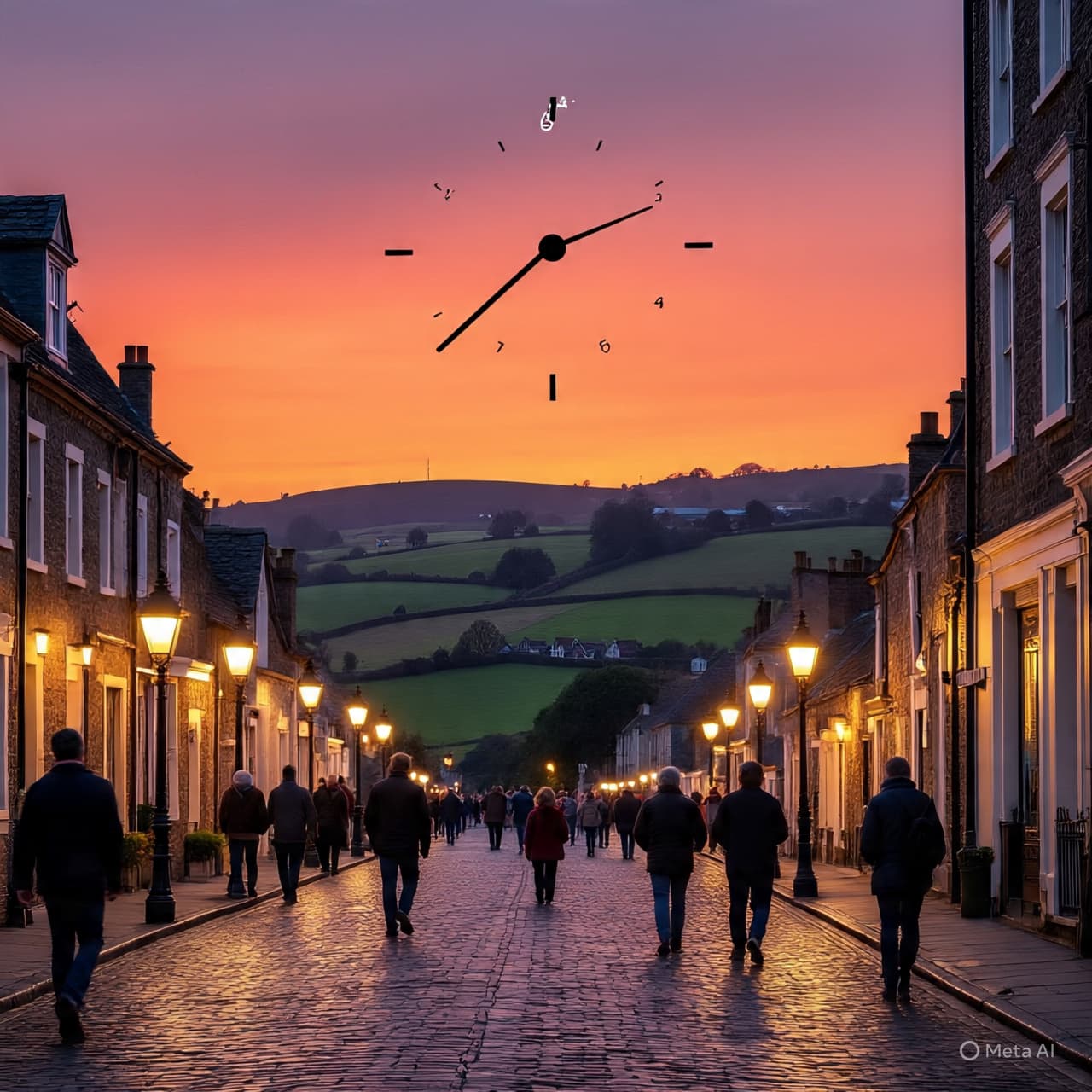
Key Highlights
- Upcoming Change:Daylight Saving Time begins on March 29, 2026.
- Longer Days:Sunset times are gradually shifting later across Ireland.
- Ongoing Debate:Discussions continue about the necessity of biannual clock changes.
As the seasons transition, there is a unique grace to the passage of time, particularly in Ireland, where the winter light begins to linger longer. This subtle shift invites reflection on how it affects daily life, routines, and the interplay between sunrise and sunset. With the approach of Daylight Saving Time, set for Sunday, March 29, 2026, at 1 a.m., many are looking forward to the longer evenings that this change heralds.
The upcoming shift to Daylight Saving Time will see clocks move forward by one hour, a tradition that many embrace as a welcome change from the darker winter months. This year, the transition occurs slightly earlier than in previous years due to the calendar's alignment. While some may lament the loss of an hour of sleep, the reward is the promise of daylight extending past 8 p.m., a signal of warmth and the potential for shared moments after the workday.
In recent weeks, sunset times across Ireland have been gradually moving later. For instance, mid-January saw the sun setting around 4:42 p.m., but as spring approaches, this time is shifting closer to the hours when many finish work. By the end of March, the additional hour of daylight will not only be marked on calendars but will also enhance the simple joys of evening walks and the beauty of shadows stretching across fields and streets.
This annual transition is not just a matter of adjusting clocks; it is part of a broader practice observed across Europe. Ireland follows Irish Standard Time in the summer and reverts to Greenwich Mean Time in the winter, aligning its timekeeping with the natural rhythms of daylight. The choice of the last Sunday in March for this change reflects a balance between tradition and practical considerations.
However, the conversation surrounding Daylight Saving Time extends beyond mere mechanics. Lawmakers and experts have debated the implications of biannual clock changes, considering their effects on sleep patterns, overall wellbeing, and modern lifestyles. While the tradition continues for now, these discussions highlight the need to reflect on how we measure time and its impact on our daily lives.
As Ireland approaches this subtle shift in time, the arrival of spring will be felt not through grand announcements but in the gentle glow of evening light. The sun's lingering presence in the sky signifies not just longer days but a collective experience that reminds us of the richness of simply being present as life unfolds around us.
Published by Banx Network. This article is part of the Banx decentralized media programme, powered by the BXE token on the XRP Ledger.




