There is a quiet arithmetic to the spread of extremism—a ledger of lives lost, communities fractured, and futures foreclosed that rarely makes the headlines until the violence arrives at a doorstep the world recognizes. In Asia, that arithmetic has been compounding for years, in places where the state is weak, the terrain is unforgiving, and the ideologies that fuel violence find ready soil. The result is a continent where the consequences of extremism are no longer distant or containable, but immediate and growing.
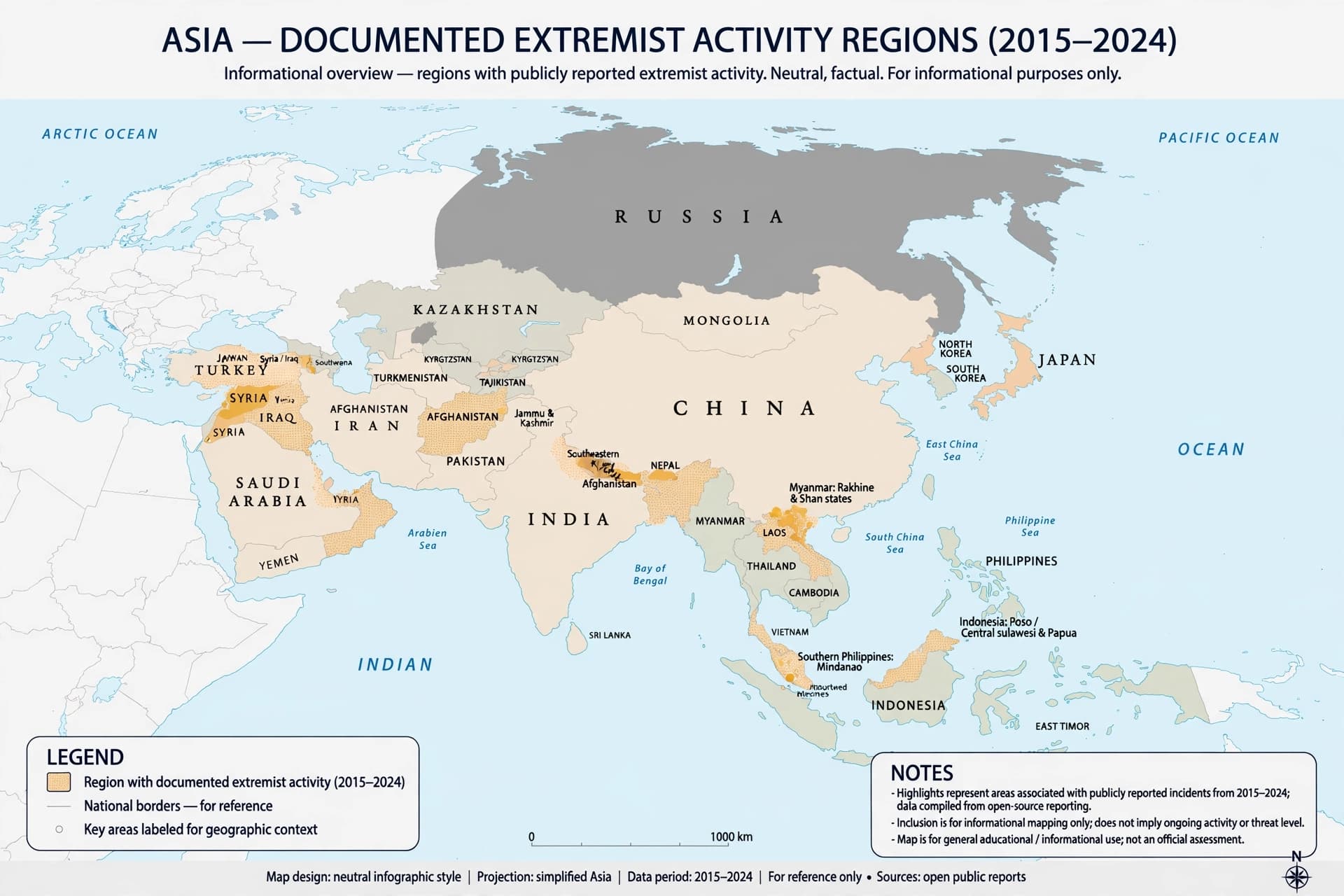
The most acute expressions of this trend are found in South and Central Asia. The Islamic State Khorasan Province, or ISKP, has demonstrated a resilience that defies its territorial defeat in 2019. A study tracing its trajectory through 2026 identifies three sustaining dynamics: Pakistan’s role as a de facto operational rear area, the mobilization of Central Asian migrants through Turkish transit hubs, and the Taliban’s limited counterterrorism capacity . ISKP has adapted by aligning attacks with propaganda, using cryptocurrency to fund operations—one wallet network received over $1.4 million since 2023 . The Taliban’s claim that no terrorist presence exists within Afghanistan’s borders is, according to regional observers, “judged not to be credible” .
The consequences ripple outward. In Bangladesh, the United Nations Security Council raised concern in August about al-Qaida in the Indian Subcontinent attempting to establish cells . The country’s militant landscape comprises three streams: the Taliban-inspired Jamaat-ul-Mujahideen Bangladesh, the Islamic State-affiliated Neo-JMB, and the al-Qaida-linked Ansar Al Islam. While JMB and Neo-JMB have been degraded by leadership losses and the collapse of the ISIS caliphate, Ansar Al Islam has gained ground slowly, its leader acquitted in 2024 and rebuilding a public following with sermons invoking “global jihad” . Police have issued terror alerts and discovered improvised explosive devices, suggesting that the threat is not merely rhetorical .
In Southeast Asia, Singapore’s Internal Security Department assessed in September that the terrorism threat remains high, with the potential return of foreign terrorist fighters adding to regional risk . The report highlighted a concerning evolution: far-right and nihilistic violent extremist narratives are gaining traction, featuring in several recent attacks . This diversification of extremist ideologies—beyond the Islamist paradigm that has dominated discourse for two decades—suggests that the drivers of radicalization are becoming more varied and, in some ways, harder to address.
The human cost is borne disproportionately by the Global South. A global terrorism forecast for 2026 notes that while over 95 percent of attacks occur in conflict zones across Sudan, Mali, Somalia, Libya, Nigeria, Afghanistan, and Pakistan, isolated attacks in Western cities draw far more attention . The epicenter of global terrorism, the forecast concludes, has shifted out of the Middle East into Africa and Asia . Youth and children perpetrate a quarter to a fifth of attacks, underscoring the role of online radicalization in shaping the next generation of militants .
The regional fragmentation that sustains extremism is, in some measure, a product of policy choices. Rivalries and trust deficits among Afghanistan, Pakistan, India, Iran, China, Russia, and Central Asian states have hindered intelligence coordination and created gaps that militant networks exploit . As one analysis concluded, the “extremist nature of the Taliban’s ideological project suggests that, sooner or later, Afghanistan may again disturb regional peace and stability” .
The carnage is not uniform, nor is it inevitable. But the trends are clear: extremism in Asia is adapting, diversifying, and finding new footholds. The consequences—measured in lives, in stability, in the slow erosion of trust between communities—will shape the region for years to come.
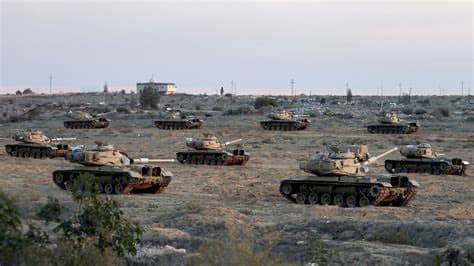
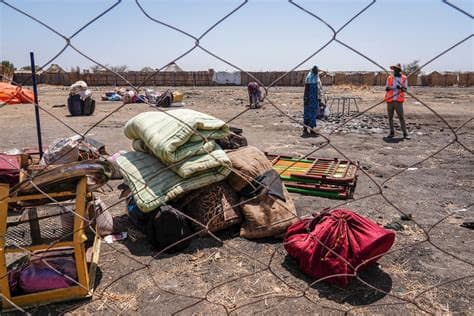
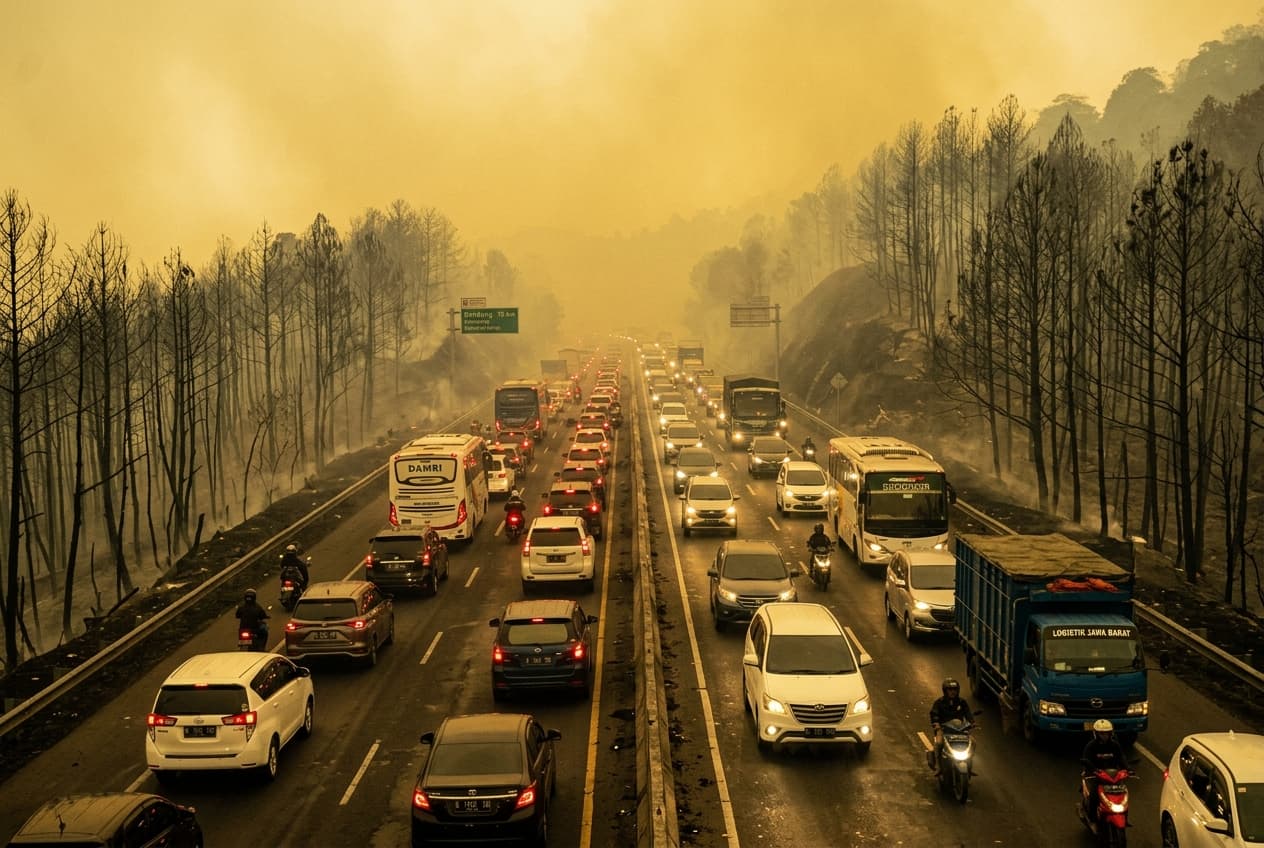
AI Image Disclaimer: The visual content in this article is AI-generated and serves illustrative purposes only, not as a documentary record of the events described.
Sources: Bundesministerium für Landesverteidigung (Austria), Xinhua, The Diplomat, RSIS (S. Rajaratnam School of International Studies), ISD Singapore
Published by Banx Network. This article is part of the Banx decentralized media programme, powered by the BXE token on the XRP Ledger.