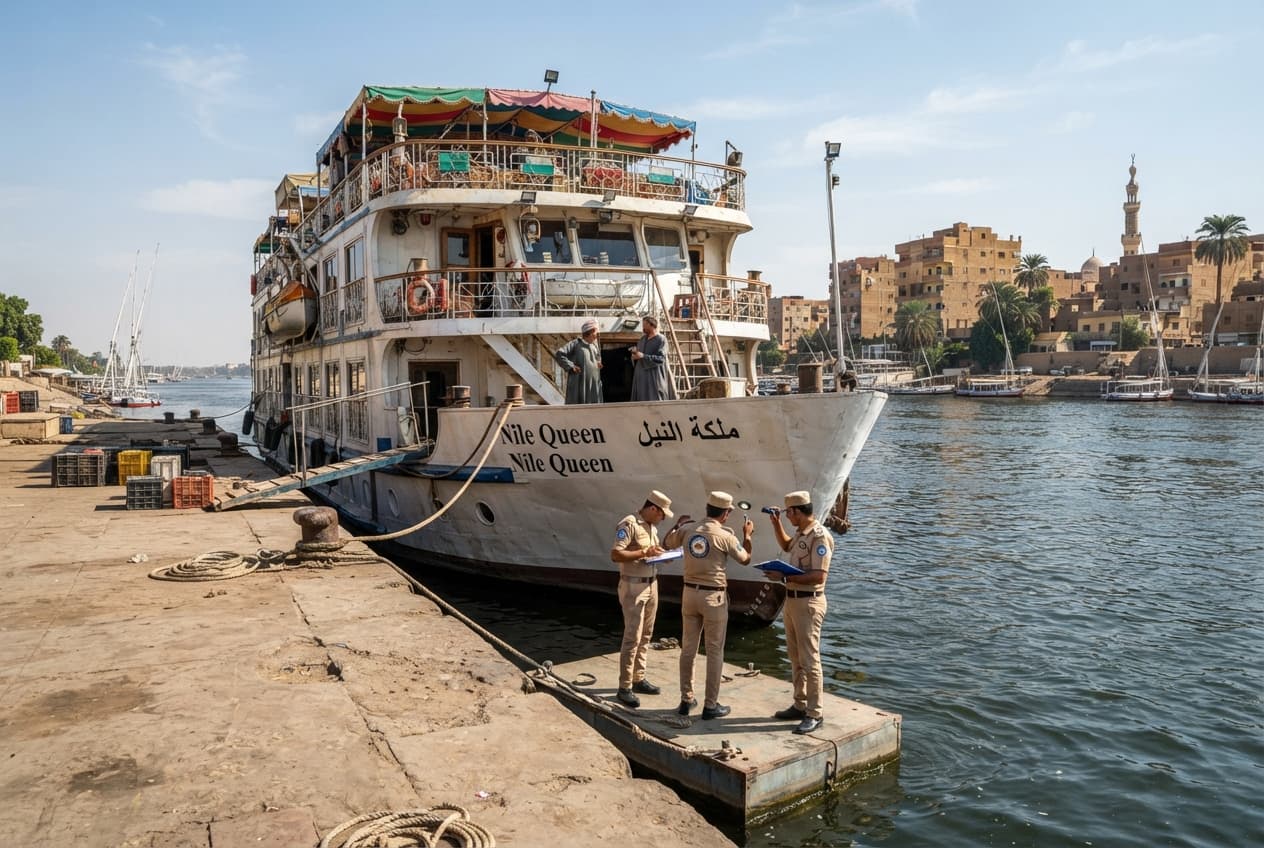
The sky has finally cleared, leaving behind a landscape that feels strangely hollowed out, as if the intensity of the recent storms has stripped away some of the familiar markers of our daily geography. When the clouds retreat and the sun returns, the aftermath of a high-intensity weather event is revealed in the quiet, broken lines of our infrastructure. The roads, the bridges, and the power grids—all the connective tissue of our modern life—now stand as silent witnesses to the power of the wind and the rain.
Infrastructure is often ignored until it fails, existing as an invisible, reliable backdrop to our collective movement. It is only when the continuity is broken that we fully appreciate the complexity of the networks that sustain our communities. The recent assessment process, now being carried out by government officials, is an act of reconnection. It is a way of acknowledging the damage and beginning the slow, methodical process of returning stability to the region.
There is a somber tone to the work of the assessment teams as they traverse the affected areas. They move through the landscape with a professional detachment, yet their focus is deeply human. Each inspection of a damaged bridge or a frayed electrical line is a step toward understanding what has been lost and how it might be restored. They are the cartographers of the recovery, mapping the gaps that the storm left behind so that the repair crews can follow.
As they survey the wreckage, the officials must balance the immediate need for repair with a longer-term reflection on the resilience of the design. High-intensity storms are becoming more frequent, a reality that forces a reevaluation of how we build and where we place our critical systems. The assessment is not just about fixing what is broken; it is about considering the future of our structural integrity in a climate that seems increasingly prone to volatility.
The reports filtering back to the ministry are detailed, technical, and necessary. They translate the physical chaos of the storm into a series of actionable items, a logistical plan for restoration. This work is happening behind the scenes, away from the public gaze, yet it is the foundation upon which the return to normalcy is built. It is a quiet, diligent effort to ensure that the services we rely on can withstand the next cycle of weather that rolls across the horizon.
Communication between the state and the local districts remains open, with the focus on identifying the most critical failures. The priority is to restore the connections that are essential for the health and safety of the community, such as power for hospitals and access to remote regions. It is a phased approach, one that values the stability of the system as a whole while recognizing the individual needs of the towns and villages struggling to recover.
As the days turn into weeks, the progress becomes visible. The repair crews begin their work, the sound of machinery replacing the silence that followed the storm. The infrastructure is being mended, a stitch at a time, until the network is once again whole. It is a testament to the resilience of our systems and the dedication of those who are tasked with maintaining them, even when the elements challenge their design.
The Local Development Ministry has confirmed that field teams are conducting comprehensive evaluations of critical infrastructure across the impacted regions. The initial findings have been compiled, and a formal report is being finalized to guide the allocation of resources for urgent repairs. Authorities have requested patience as they prioritize the restoration of essential services, with long-term infrastructure improvements currently being evaluated based on the data gathered from these sites.
Published by Banx Network. This article is part of the Banx decentralized media programme, powered by the BXE token on the XRP Ledger.