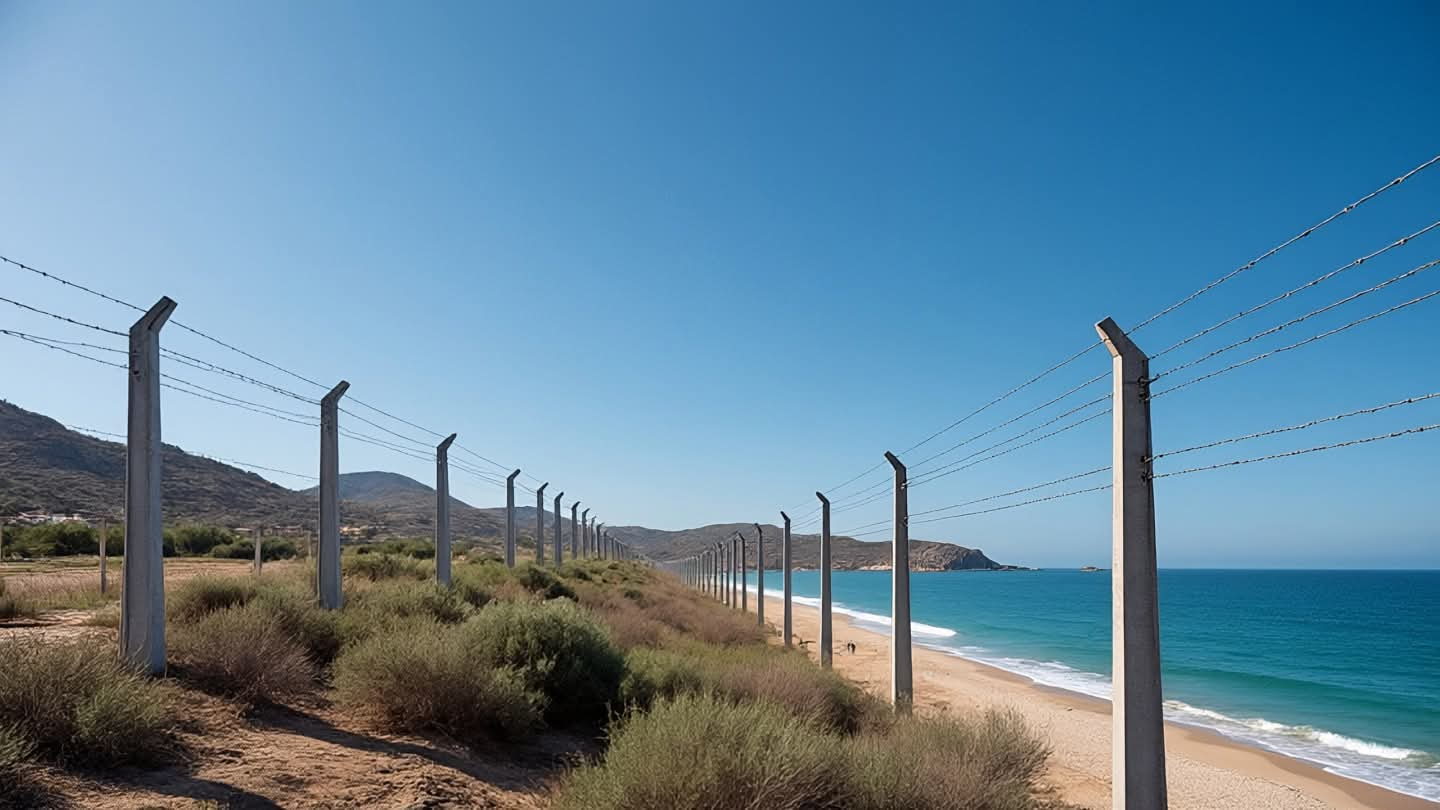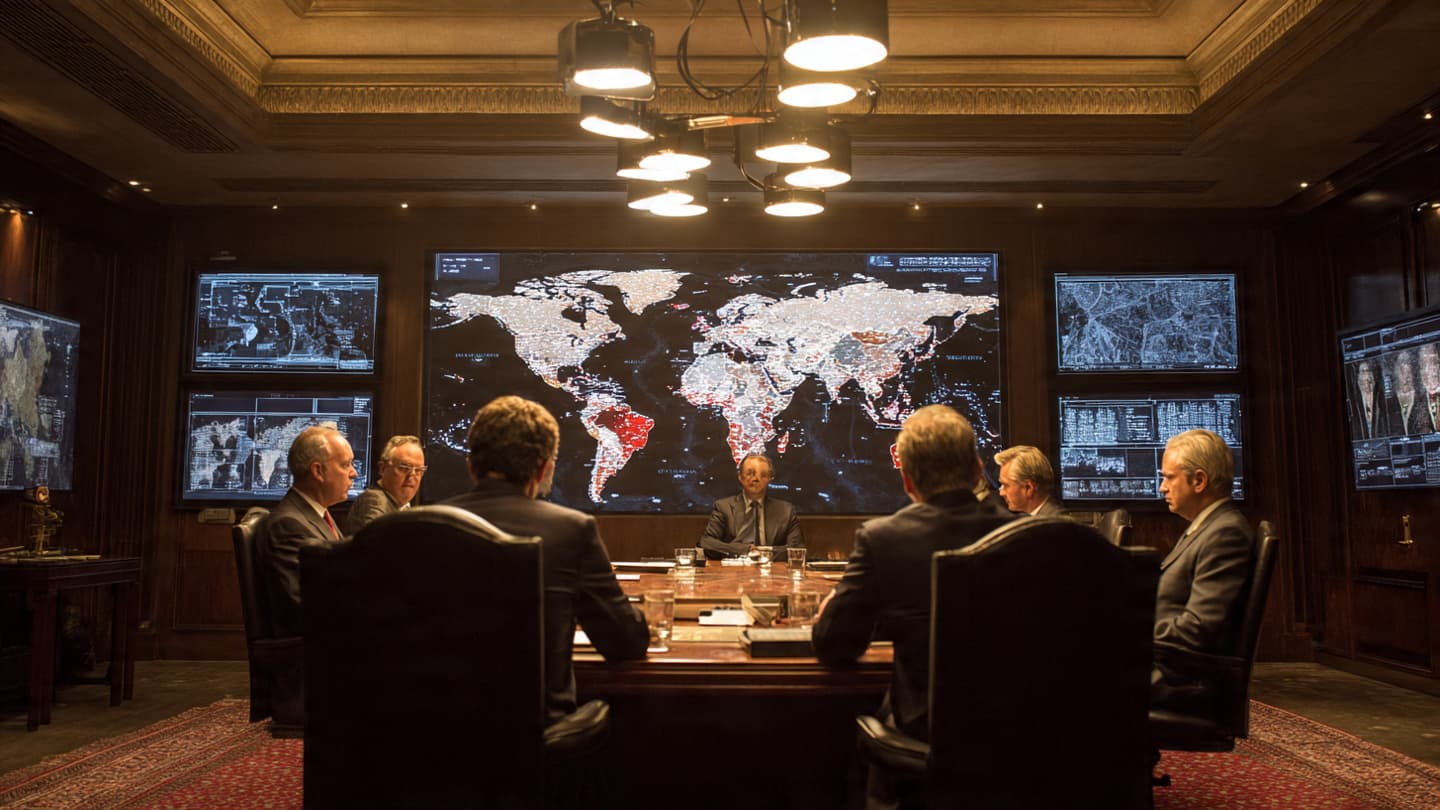
Moments of geopolitical tension often unfold quietly at first, behind closed doors where maps, intelligence briefings, and historical memory share the same table. Reports that met with top advisers to discuss Iran have renewed international attention on one of the world’s most fragile and consequential regional relationships.
According to reports, the discussions focused on strategic options as Trump weighs the possibility of deeper military involvement connected to tensions involving Iran. Though details remain limited, the meetings have already prompted concern among diplomats, analysts, and international observers monitoring developments in the Middle East.
Relations between the United States and have remained strained for decades, shaped by disputes involving nuclear development, regional influence, sanctions, and military activity across the region. Periods of direct confrontation have alternated with diplomatic negotiation, often leaving relations unstable and highly sensitive.
Military decisions involving Iran carry broad implications beyond the two countries themselves. The Persian Gulf remains central to global energy markets, international shipping routes, and regional security alliances. Escalation could therefore influence oil prices, diplomatic relations, and broader geopolitical stability.
Foreign policy experts note that any consideration of renewed military action would likely involve complex calculations tied to intelligence assessments, allied coordination, and domestic political factors. Modern conflicts in the Middle East have also shaped public caution within the United States after years of costly military engagement in the region.
At the same time, Iranian regional activities and security concerns continue drawing attention from American policymakers and allied governments. Issues involving proxy groups, maritime security, and nuclear monitoring remain central to ongoing international negotiations and strategic planning.
Financial markets and global observers often react quickly to developments involving Iran because of the country’s influence within the energy sector and regional geopolitics. Even preliminary discussions about military options can contribute to uncertainty across diplomatic and economic systems.
Analysts caution that political rhetoric and strategic planning discussions do not necessarily indicate imminent military action. Governments frequently evaluate multiple scenarios during periods of international tension, particularly in regions with longstanding security concerns.
For now, attention remains focused on whether diplomacy, deterrence, or further escalation will shape the next phase of U.S.-Iran relations. The discussions underscore how decisions made inside private meeting rooms can carry consequences that extend far beyond national borders.
AI Image Disclaimer: Certain visuals associated with this article were created through AI-assisted illustration technology.
Sources: Reuters, The Wall Street Journal, Associated Press, CNN
Published by Banx Network. This article is part of the Banx decentralized media programme, powered by the BXE token on the XRP Ledger.