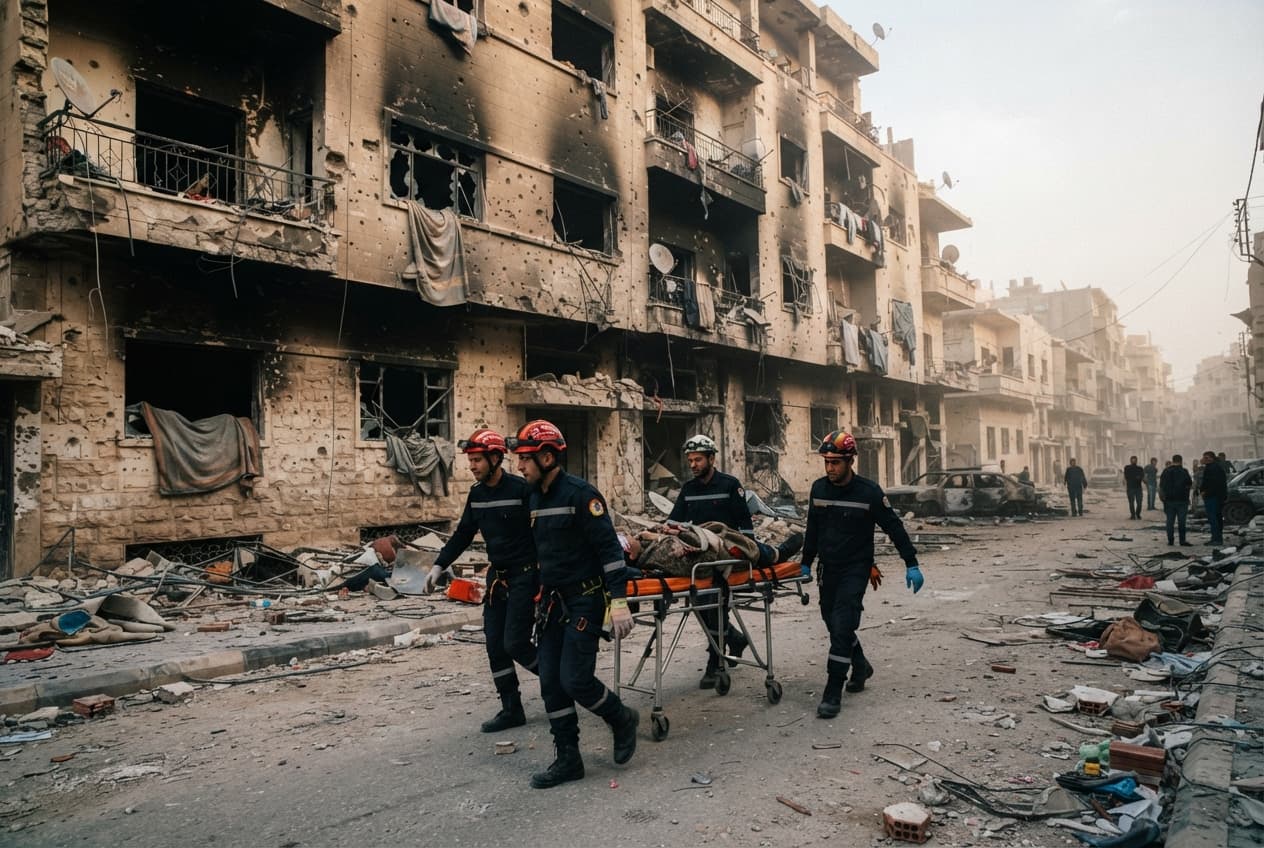
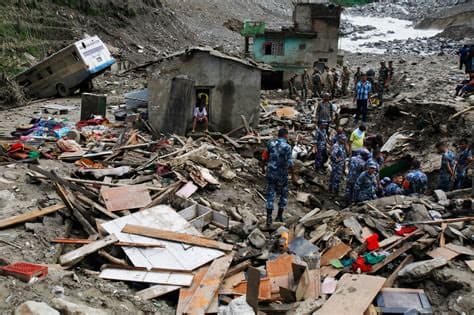
The industrial landscape is a study in precise motion, a world of gears, cooling towers, and expansive iron structures that hum with a constant, latent energy. It is a place where efficiency is the primary language, and the predictability of the process is the ultimate goal. Yet, even within this realm of human-made logic, there is an inherent awareness of the possibility of the unexpected. The emergency drills conducted today were a reminder that even the most controlled environment requires a practiced response to the variables of chance.
There is a unique atmosphere that descends upon a facility during these exercises. The usual rhythm—the steady pulse of machinery and the focused movement of personnel—is paused, replaced by a different kind of intensity. It is a moment of theater, where the scenario is carefully constructed to test the limits of preparation. The actors in this scene, the workers and safety officers, move with a deliberate, practiced focus, their actions a testament to the importance of institutional memory.
As the sirens sound, cutting through the ambient hum of the facility, the nature of the space seems to shift. It becomes, for a short time, a testing ground where the strength of the organizational structure is evaluated. The drills are not merely a compliance requirement; they are an exercise in collective mindfulness. Each movement, from the assembly of teams to the testing of communication channels, is performed with an emotional restraint that underscores the gravity of the potential outcomes.
The facility managers observe the proceedings with a quiet, analytical eye. They are looking for the small friction points, the subtle delays, and the moments where the planned response meets the reality of the human element. It is a process of refinement, where the goal is to weave the safety protocols so deeply into the fabric of daily operation that, should an actual emergency occur, the response becomes an extension of the worker’s natural habit.
Throughout the afternoon, the exercises covered a range of potential scenarios, each one designed to test the interdependency of the various units within the facility. The movement of personnel to designated zones and the simulation of technical failures provided a comprehensive view of the facility's readiness. There was a clear, calm purpose behind each stage of the drill, reflecting a commitment to the safety of both the workers and the surrounding environment.
The documentation of these drills serves as an essential record, a way to map the evolution of safety standards within the industrial sector. By reviewing the performance of the teams, the management can identify areas for improvement and ensure that the response strategies remain aligned with the latest technological and procedural developments. It is an ongoing cycle of reflection and adjustment that defines the modern approach to industrial risk management.
As the drills conclude and the facility returns to its normal state of operation, the lingering atmosphere of the exercise remains. The workers return to their tasks with a renewed sense of focus, the memory of the procedures now integrated into their understanding of the environment. It is a quiet restoration of order, a return to the hum of the machine, but with the added layer of security that comes from having tested one's readiness in the face of uncertainty.
The National Disaster Management Centre oversaw the exercises to ensure adherence to established safety benchmarks. These drills, conducted as part of a recurring schedule, aim to improve response times and coordination between internal safety teams and external emergency responders. The evaluation phase is currently underway, with reports indicating that the facilities successfully demonstrated their ability to manage complex, simulated emergency scenarios.
Published by Banx Network. This article is part of the Banx decentralized media programme, powered by the BXE token on the XRP Ledger.