

Key Highlights
- Incident:A major chemical leak in Southern California prompted the evacuation of approximately 20,000 residents.
- Emergency Response:Local authorities issued evacuation orders and established perimeters around the affected area.
- Health Risks:Chemical leaks can pose serious health risks, leading to respiratory issues and contamination concerns.
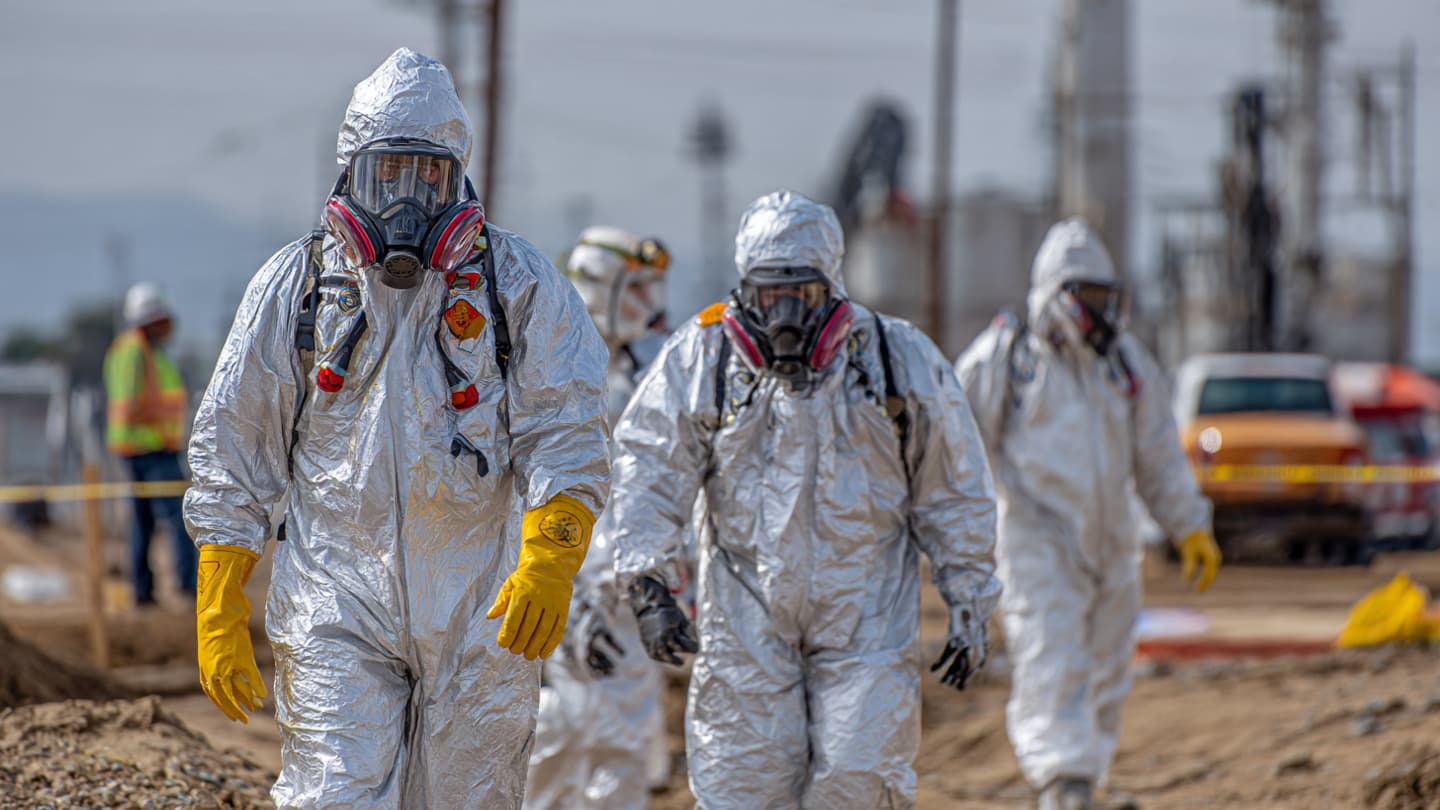
A quiet industrial routine in Southern California was abruptly disrupted when a significant chemical leak forced the evacuation of around 20,000 residents. The incident, which occurred in an industrial area, raised alarms as officials warned of a storage tank that appeared to be at risk of failure. Emergency crews swiftly mobilized to address the situation, with firefighters, hazardous materials teams, and environmental specialists on-site to assess the potential dangers.
Local authorities took immediate action by issuing evacuation orders for neighborhoods surrounding the industrial site. Residents were urged to leave their homes as concerns mounted over the structural integrity of the tank involved in the leak. Reports indicated that the tank showed signs of instability, raising fears that further chemical releases could occur if containment systems failed. Public safety agencies established emergency perimeters to secure the area while monitoring air quality and environmental conditions.
Chemical leaks can pose serious health risks depending on the substances involved. Authorities highlighted potential hazards such as respiratory irritation, skin exposure, and contamination concerns. Residents were advised to avoid the affected zone and adhere to official guidance regarding evacuation routes and temporary shelter arrangements. The urgency of the situation underscored the importance of public safety in the face of industrial accidents.
Southern California has a history of industrial emergencies, often linked to aging infrastructure, transportation accidents, and challenges related to hazardous material storage. Experts emphasize that densely populated urban regions face unique difficulties when industrial facilities operate in close proximity to residential communities. The balance between industrial development and environmental safeguards remains a pressing concern for local governments.
In the aftermath of the leak, environmental specialists and engineers are expected to conduct thorough investigations into the cause of the incident and the condition of the storage systems involved. These reviews typically examine maintenance records, safety compliance procedures, and emergency preparedness protocols to prevent future occurrences. The findings will be crucial in determining the necessary steps to stabilize the situation and ensure public safety.
Residents who were forced to evacuate described scenes of uncertainty as emergency sirens blared, road closures were implemented, and official alerts disrupted their daily routines. Schools, businesses, and transportation networks in nearby areas also faced disruptions as officials prioritized public safety. The incident has reignited discussions about the need for robust infrastructure oversight and emergency response readiness in the region.
As authorities continue to monitor the site, evacuation and containment efforts remain active. Officials have stated that public safety will guide decisions regarding when residents can safely return to their homes. Investigators are working diligently to stabilize conditions and assess the full scope of the incident, ensuring that lessons are learned to prevent similar emergencies in the future.
Published by Banx Network. This article is part of the Banx decentralized media programme, powered by the BXE token on the XRP Ledger.




