
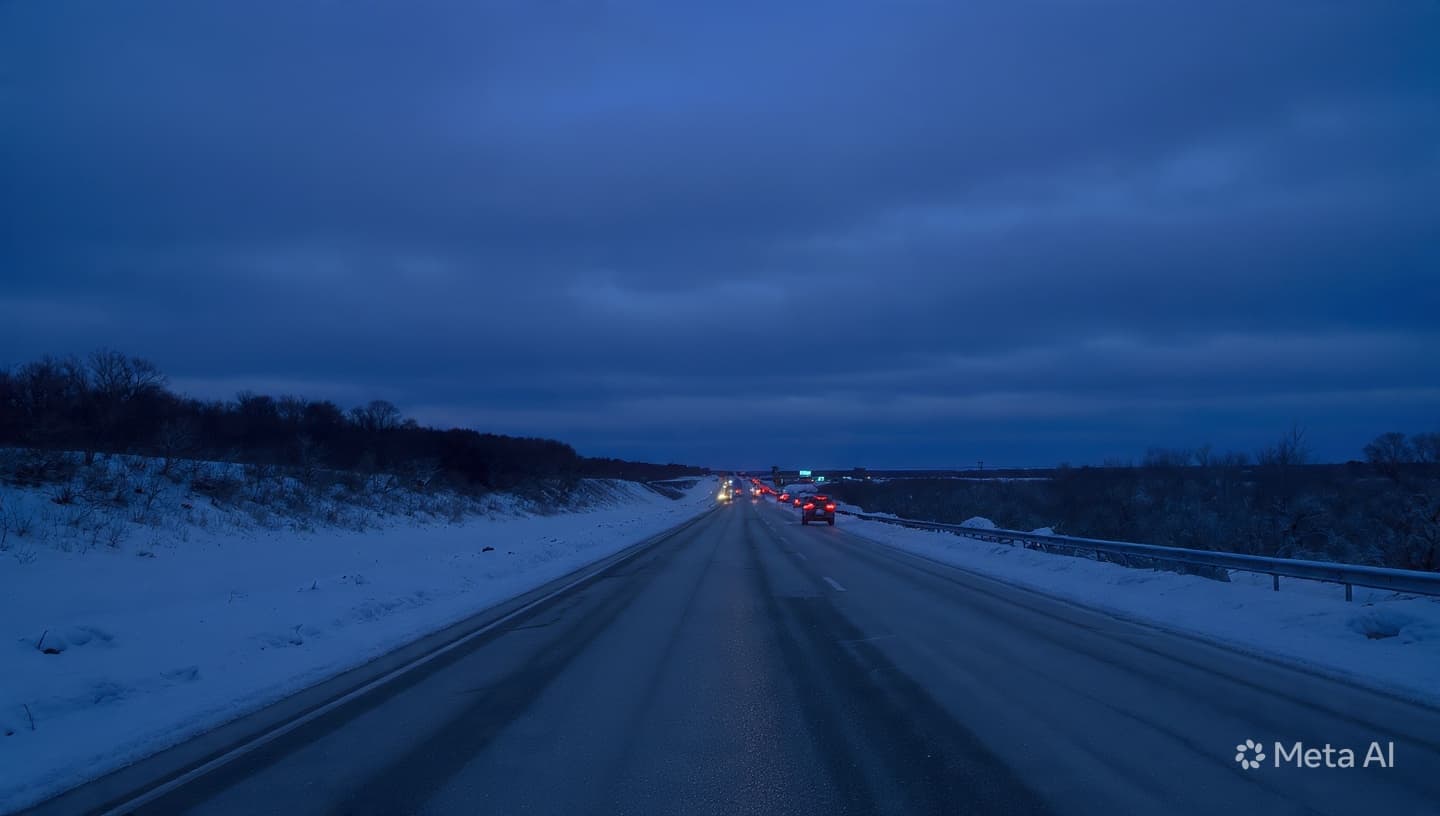
The beauty of a landscape draped in the white silence of deep winter is a siren song that draws the traveler into its fold. It is a world of crystalline stillness, where the air is sharp and the horizon seems to stretch into an infinite, monochromatic expanse. Yet, this very stillness masks a volatility that can, in the space of a heartbeat, turn a journey into a scene of profound sorrow. The reports of serious accidents, born of the extreme conditions, are stark reminders of our precarious existence within the grip of the season.
To navigate the winterized landscape is to accept a set of terms that are dictated by the frost and the drift. When the temperature plummets and the roads are transformed into slick, treacherous arteries, the margin for human error narrows significantly. We often rely on our machines to bridge the gap between our desire for mobility and the reality of the climate, but the machine is no match for the fundamental, unyielding physics of the ice.
We reflect on these tragedies not to cast blame, but to acknowledge the inherent tension that exists between our modern urge to traverse and the natural boundaries of the environment. Every accident, every slide, every collision is a rupture in the expected narrative of the day. They are moments that invite us to reconsider our relationship with the wild, to understand that the cold is not merely a setting for our activities, but a dynamic, often dangerous participant in our lives.
The records of these incidents—the collisions on the highways, the delays in the passes, the loss of life—are woven into the tapestry of the winter season. They stand as quiet, somber markers that caution us against complacency. The authorities, in their consistent warnings, offer a bridge between the data of the weather station and the reality of the road. It is a language of caution that we must learn to interpret with greater diligence.
There is a contemplative weight in acknowledging that our vulnerability is a constant companion during these months. Even as we advance our snow-clearing capabilities and our vehicle safety technology, the nature of the terrain ensures that the risk is never fully eliminated. It is a call to a deeper, more profound awareness—a recognition that when the world is encased in frost, our movement through it must be marked by an intentional, quiet respect.
As the season eventually gives way, as the ice recedes and the pathways reopen, the memory of these losses remains. They serve as a reflection of the cost of our engagement with the extremes of the North. We are reminded that while the winter landscape offers a unique and singular beauty, it also demands a price, one that is paid by those who find themselves on the wrong side of the unpredictable turn of the weather.
Ultimately, these reflections lead us toward a greater appreciation for the fragility of our journey. We are guests in an environment that is indifferent to our schedules and our ambitions. To move through it, especially in the depths of winter, is to act with a humility that acknowledges the power of the cold. It is a journey that requires not just the right equipment, but the right perspective—a recognition of the limits of our reach.
The past months have seen a high frequency of weather-related incidents across northern latitudes, with regional authorities reporting a significant uptick in serious traffic accidents due to sudden winter storms and icy road conditions. Safety agencies continue to emphasize the importance of monitoring meteorological shifts and adjusting travel plans accordingly. Investigations into recent fatalities are ongoing as part of a broader effort to improve transit safety protocols in extreme climates.
Published by Banx Network. This article is part of the Banx decentralized media programme, powered by the BXE token on the XRP Ledger.


.jpg&w=3840&q=75 "Russia Turns Black Sea Into World’s Deadliest Shipping Route as More Than 570 Ships Are Hit")