
Key Highlights
- French President Emmanuel Macron addressed economic imbalances at the G7 Summit.
- The discussions focused on trade surpluses and deficits among nations.
- Policymakers emphasized the need for cooperation to foster sustainable growth.
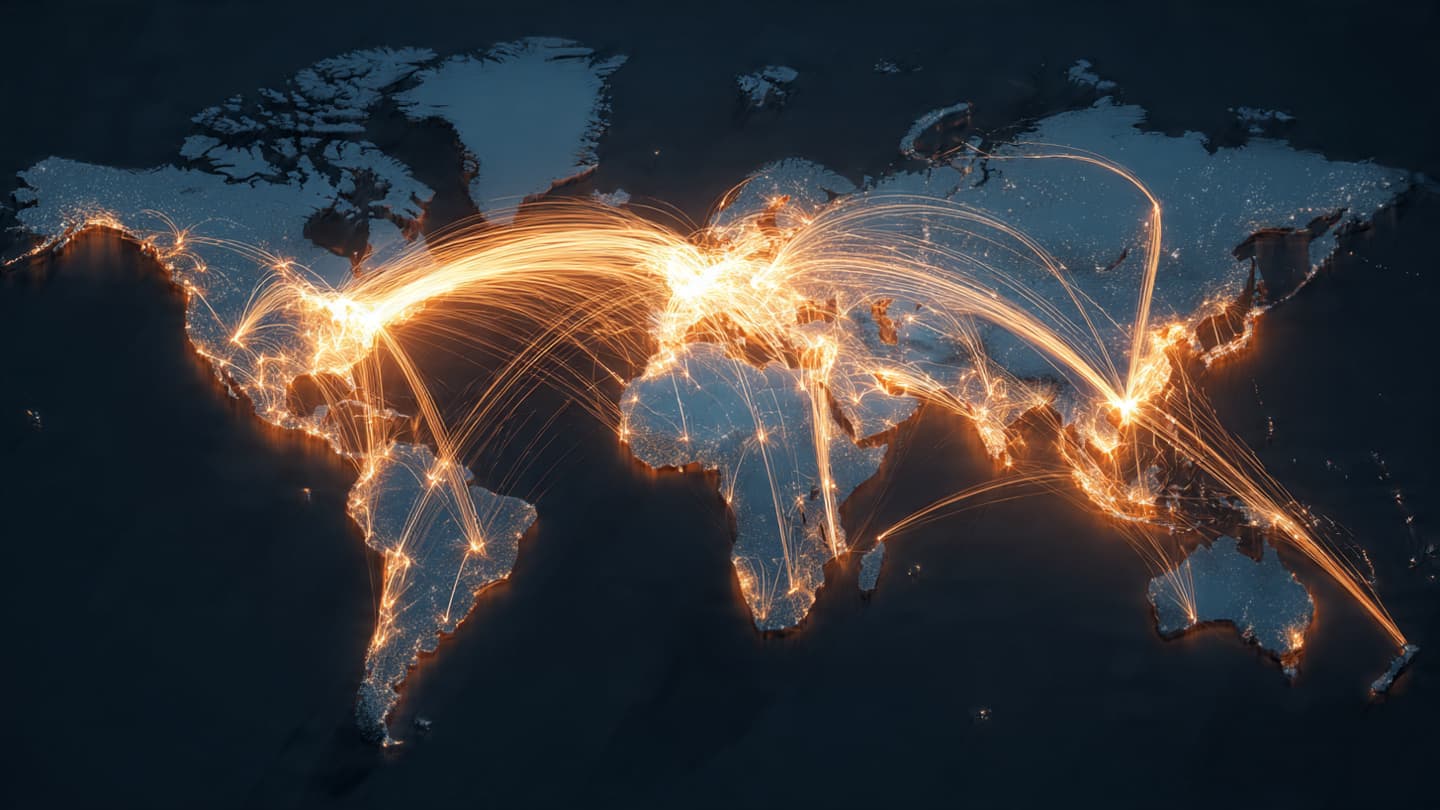
[Global Economic Context] The global economy often appears as a vast network of interconnected roads, each carrying goods, capital, and opportunity between nations. However, when traffic becomes concentrated on only a few routes, pressure begins to build. This concern was brought to the forefront by French President Emmanuel Macron during discussions at the G7 Summit, where global economic imbalances emerged as a significant topic of conversation.
[Understanding Economic Imbalances] Economic imbalances can manifest in various forms. Some countries consistently record large trade surpluses, while others experience persistent deficits. Certain regions attract substantial investment flows, while others struggle to secure financing. Over time, these disparities can create vulnerabilities that affect growth and financial stability, prompting leaders to seek solutions that promote equity in economic participation.
[Shifts in Trade Patterns] Macron's emphasis on economic imbalances reflects broader concerns among policymakers. Recent years have witnessed significant shifts in trade patterns, supply chains, and industrial policies. As nations pursue greater economic security, questions arise regarding how global commerce should evolve without creating new distortions. Trade remains one of the most visible aspects of this discussion, with countries that have strong export sectors benefiting from international demand, while import-dependent economies face unique challenges.
[Investment Flows and Regional Disparities] Investment flows also play a crucial role in shaping economic landscapes. Capital tends to gravitate toward markets offering attractive returns, but excessive concentration can exacerbate disparities between regions. Policymakers are increasingly examining ways to support broader economic participation while preserving market efficiency. This balance is essential for fostering a resilient global economy that can withstand shocks.
[The Role of Technology] Technology has added another layer of complexity to the economic landscape. Nations that invest heavily in innovation often gain competitive advantages, attracting talent and resources. While technological leadership can stimulate growth, it can also widen existing economic gaps if access remains uneven. The G7 discussions highlighted the interconnected nature of these issues, emphasizing that economic imbalances are not merely statistical measures; they influence employment, productivity, inflation, and financial resilience.
[The Path Forward] Addressing economic imbalances requires a long-term perspective rather than short-term solutions. Participants at the G7 Summit generally agreed that cooperation remains essential. Open dialogue can help identify risks before they escalate into crises, while coordinated policies may contribute to more balanced and sustainable growth across regions. As conversations continue beyond the summit, the debate over economic imbalances is likely to remain relevant. The challenge lies not only in achieving equality in numbers but also in fostering a global economy capable of generating opportunity while maintaining stability. In that pursuit, balance becomes not merely an economic objective but a shared aspiration among nations.
Published by Banx Network. This article is part of the Banx decentralized media programme, powered by the BXE token on the XRP Ledger.



