

Key Highlights
- 19 individuals convicted for their roles in the 2024 Crocus City Hall attack.
- The attack resulted in numerous civilian casualties and injuries.
- The court's decision marks a significant legal milestone nearly two years post-incident.
Nearly two years after the tragic attack on the Crocus City Hall in Moscow, a Russian court has convicted 19 individuals for their involvement in the incident that claimed numerous lives and left many injured. The attack, which occurred in March 2024, was one of the deadliest militant assaults in recent Russian history, sending shockwaves through the nation and prompting a reevaluation of security measures at public venues.
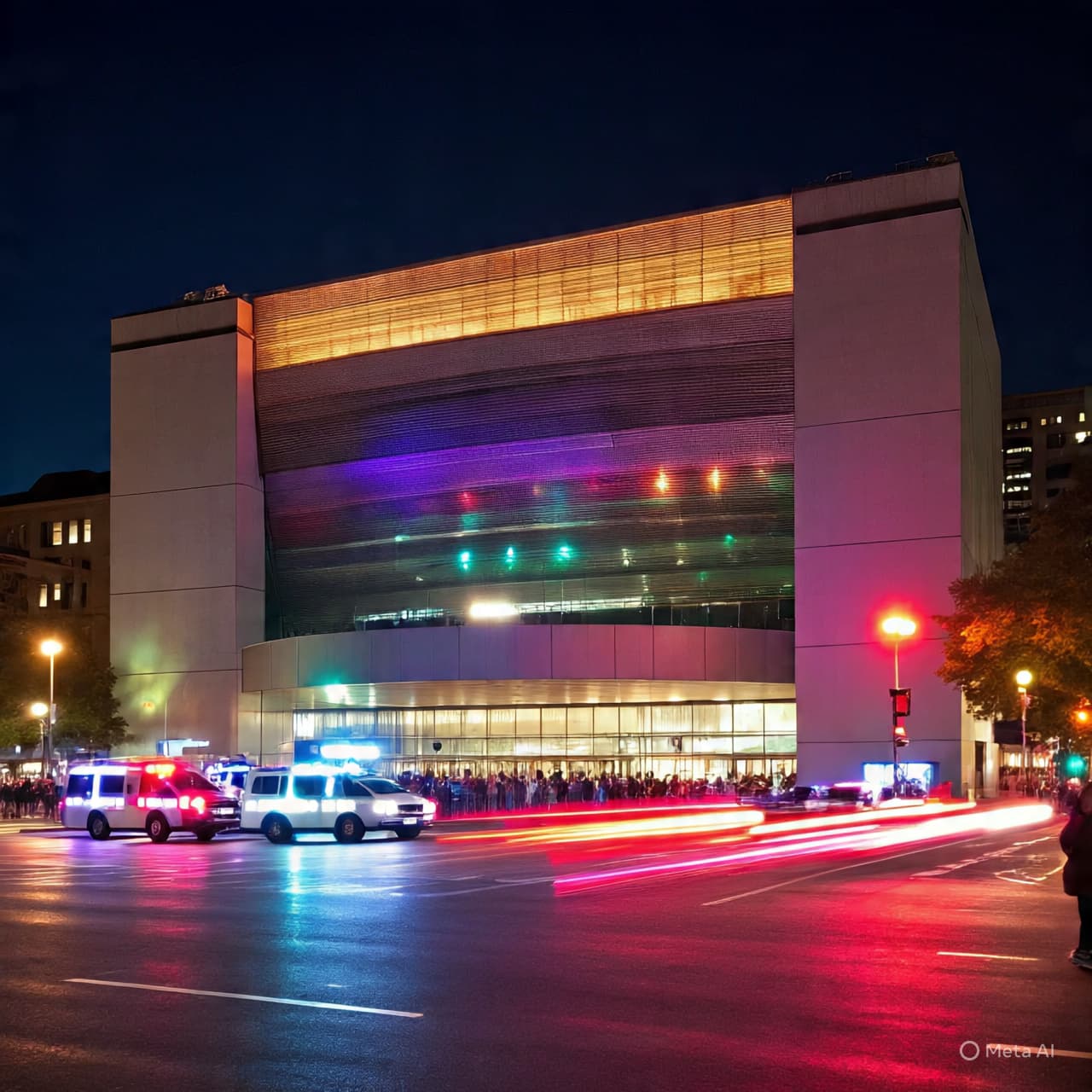
On that fateful night, armed assailants stormed the concert hall just before a performance was set to begin, unleashing chaos as gunfire erupted and a fire spread through the venue. Eyewitness accounts described scenes of panic and horror as concertgoers attempted to flee the unfolding violence. Emergency responders and security forces quickly arrived on the scene, but the devastation was already evident.
In the aftermath, Russian authorities launched an extensive investigation, leading to the detention of suspects believed to have played various roles in the attack. This included individuals accused of direct involvement as well as those who provided logistical support, such as financing and transportation. The investigation utilized a range of evidence, including surveillance footage, communications records, and witness testimonies, to build a comprehensive case against the defendants.
During the court proceedings, prosecutors presented evidence that illustrated the defendants' connections to a broader network responsible for organizing the attack. The court ultimately found all 19 defendants guilty, with sentences reflecting their varying degrees of involvement. This verdict has been described by Russian officials as a crucial step in addressing the tragedy that shook the capital and garnered international attention.
For the families of the victims, the court's decision comes after a prolonged and painful wait for justice. Legal proceedings in such complex cases can be slow, often involving multiple suspects and intricate details. Nevertheless, these proceedings represent one of the few means through which societies can seek accountability for acts of violence that disrupt the fabric of everyday life.
The impact of the Crocus City Hall attack extends beyond the courtroom. In its wake, security protocols at large venues across Russia have been significantly tightened, and discussions surrounding counterterrorism policies have intensified. Cultural institutions are now reexamining their safety measures for concerts and public gatherings, striving to ensure that such spaces remain safe havens for community engagement rather than sites of fear.
Despite the legal outcomes, the memories of that tragic night linger in the collective consciousness of the city. While the court's verdicts cannot erase the pain of loss, they do signify a formal acknowledgment of responsibility and a step toward closure for those affected. As investigations related to the attack continue, the public remains vigilant, watching how the legal ramifications unfold in the coming months.
The echoes of the Crocus City Hall tragedy will likely resonate for years, but the recent convictions signal a gradual progression in the legal narrative surrounding this dark chapter in Russia's history.
Published by Banx Network. This article is part of the Banx decentralized media programme, powered by the BXE token on the XRP Ledger.




