
Key Highlights
- Rwanda's onion exports have reached $20 million, marking a significant economic milestone.
- New storage infrastructure has stabilized domestic prices and enhanced market access.
- The growth in exports reflects a broader transformation in Rwanda's agricultural sector.
Rwanda's agricultural landscape is undergoing a remarkable transformation, particularly in the onion sector, which has recently achieved a significant milestone with exports reaching $20 million. This achievement is not merely a financial statistic; it represents a turning point in the relationship between the land and its produce, showcasing how infrastructure improvements can lead to economic growth and stability.
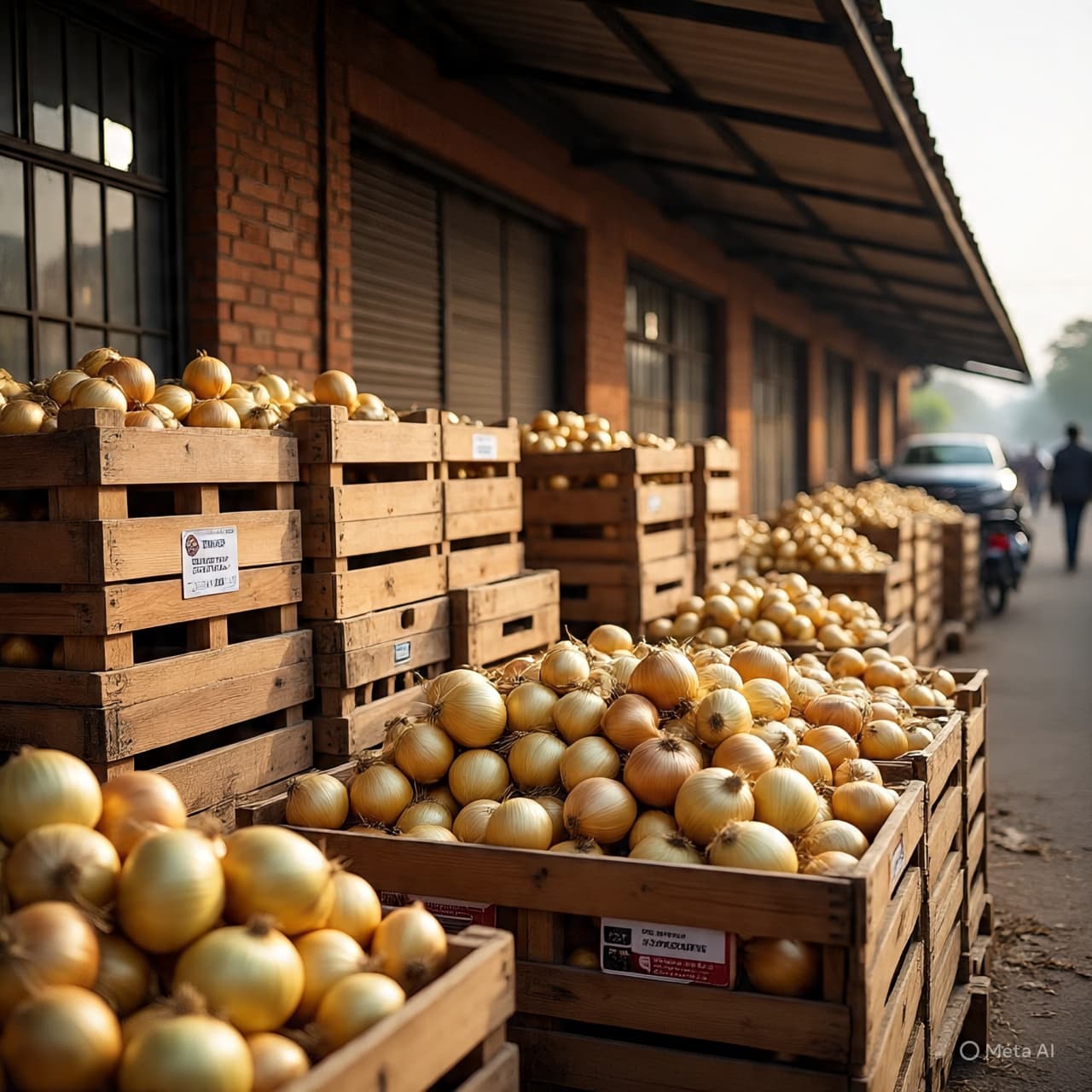
The journey of Rwandan onions from local farms to international markets has been significantly enhanced by the introduction of new storage facilities. These facilities have become essential in preserving the quality of the harvest, allowing onions to be stored longer and preventing the seasonal gluts that previously plagued farmers. This strategic investment in post-harvest management has not only stabilized prices but has also ensured a consistent supply for both local and regional markets.
As the storage doors open to reveal thousands of neatly stacked onions, it symbolizes a new era for Rwandan agriculture. The growers, who once faced uncertainty with their harvests, now watch with pride as their produce is prepared for export. The onions, with their layers reflecting the history of the land, are no longer just a staple food; they have become a vital part of Rwanda's economic narrative.
Government officials have noted that the enhanced export capacity directly benefits smallholder farmers, providing them with a steady income and a sense of security. This economic stability is crucial for rural communities that rely heavily on agriculture for their livelihoods. The success of the onion export initiative is a testament to the power of strategic investments in infrastructure and the importance of supporting local farmers.
The impact of these changes extends beyond the immediate economic benefits. The stabilization of onion prices has led to a more predictable market environment, which is essential for consumers and producers alike. The fluctuations that once characterized the onion market are gradually being replaced by a more stable pricing structure, fostering a healthier economic ecosystem.
As trucks laden with onions navigate the misty hills of Rwanda toward international borders, they carry with them not just a product but a story of resilience and progress. This narrative is rooted in the earth itself, reflecting the hard work of farmers and the strategic foresight of government initiatives. The growth of Rwanda's onion exports is a clear indication of how agricultural innovation can lead to broader economic development, transforming a humble crop into a symbol of national pride and economic potential.
In conclusion, the surge in Rwanda's onion exports to $20 million is a significant achievement that highlights the importance of infrastructure in agriculture. As the country continues to invest in post-harvest management and market access, the future looks bright for Rwandan farmers and the economy as a whole.
Published by Banx Network. This article is part of the Banx decentralized media programme, powered by the BXE token on the XRP Ledger.



