
Key Highlights
- Date:April 1, 2026, a 7.4 magnitude earthquake struck northern Indonesia.
- Impact:Significant damage reported in coastal cities, with one fatality.
- Response:Tsunami warnings lifted after monitoring showed no threat.
On April 1, 2026, an undersea earthquake measuring 7.4 in magnitude rattled northern Indonesia, with its epicenter located in the Molucca Sea near Ternate Island. The quake struck in the early hours of Thursday, sending shockwaves that lasted between 10 to 20 seconds. Coastal cities such as Bitung in North Sulawesi Province and Ternate in North Maluku Province felt the tremors most acutely, prompting residents to flee their homes in a mix of surprise and trepidation.
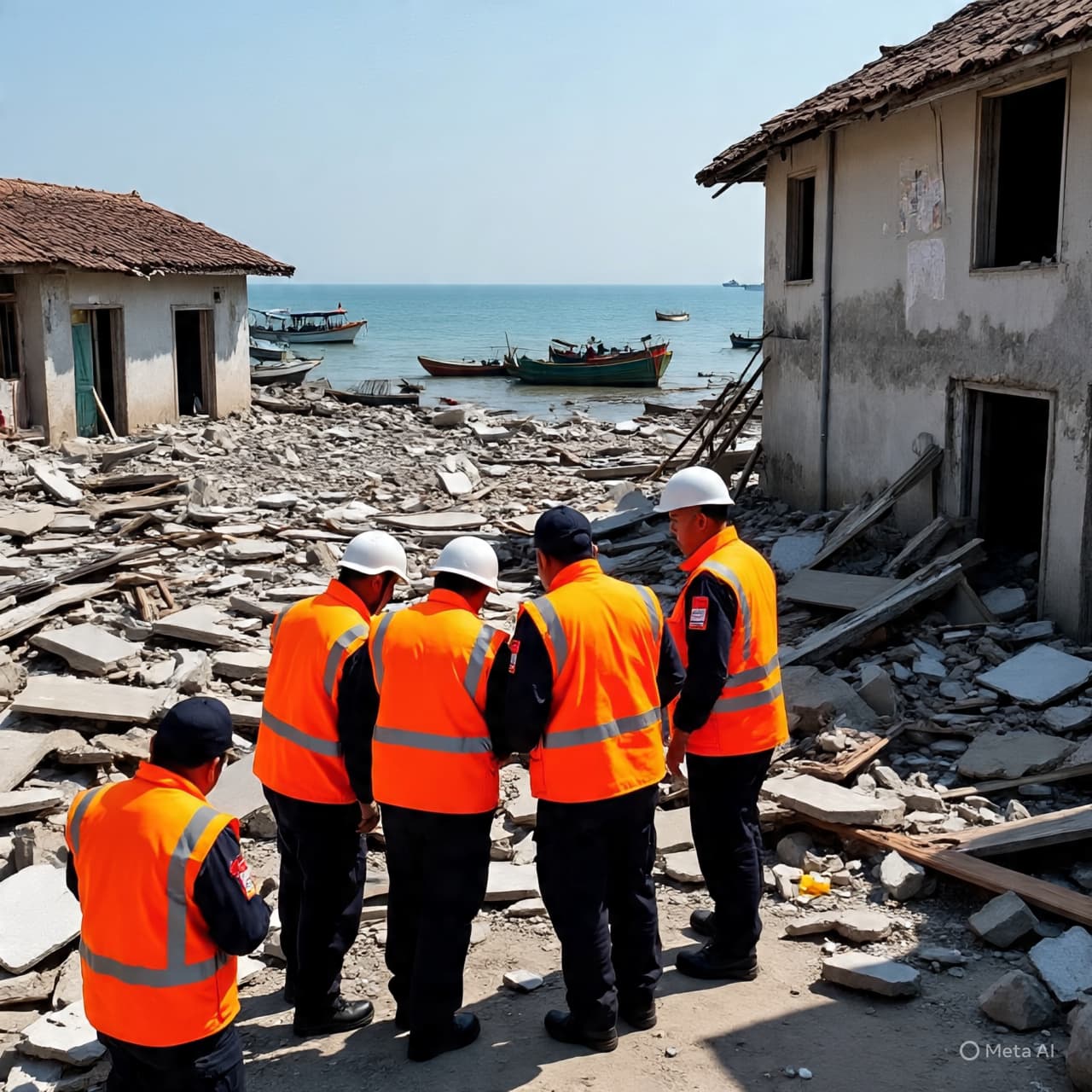
Initial reports indicated that the earthquake caused considerable damage across various towns. Buildings, including homes, a church, and community facilities, suffered structural damage, with some collapsing under the force of the quake. Tragically, a 70-year-old woman lost her life in Manado when part of a building fell, and several others sustained injuries, with three individuals hospitalized in Ternate, according to local rescue authorities.
In addition to the ground shaking, the sea responded with subtle changes. Tsunami monitoring stations recorded water levels rising by approximately 75 centimeters (about 30 inches) above normal along parts of the Molucca Sea shoreline. However, Indonesian meteorological officials quickly lifted a national tsunami warning after thorough assessments, and foreign agencies, including the Philippine Institute of Volcanology and Seismology, confirmed that there was no destructive threat to neighboring countries.
Following the main quake, dozens of aftershocks occurred, some of which were significant in strength. Local disaster response teams have been actively assessing damage and providing aid to affected communities, urging residents to remain cautious around weakened structures. The ongoing aftershocks serve as a reminder that seismic events are rarely isolated incidents.
Indonesia is situated along the Pacific “Ring of Fire,” an area known for its tectonic activity, where the movement of plates frequently results in earthquakes and volcanic eruptions. Residents are accustomed to the unpredictability of such natural events, yet each quake brings its own challenges and fosters a sense of solidarity among families, neighbors, and emergency responders as they navigate the aftermath.
As the situation develops, the focus remains on evaluating the extent of the damage and supporting those impacted by the earthquake. With one confirmed fatality and several injuries reported, emergency services continue their efforts across the region. While tsunami warnings have been lifted, authorities are advising continued vigilance as aftershocks persist and assessments of the affected areas continue.
Published by Banx Network. This article is part of the Banx decentralized media programme, powered by the BXE token on the XRP Ledger.



