
Key Highlights
- Two strong earthquakes struck Venezuela, causing significant destruction.
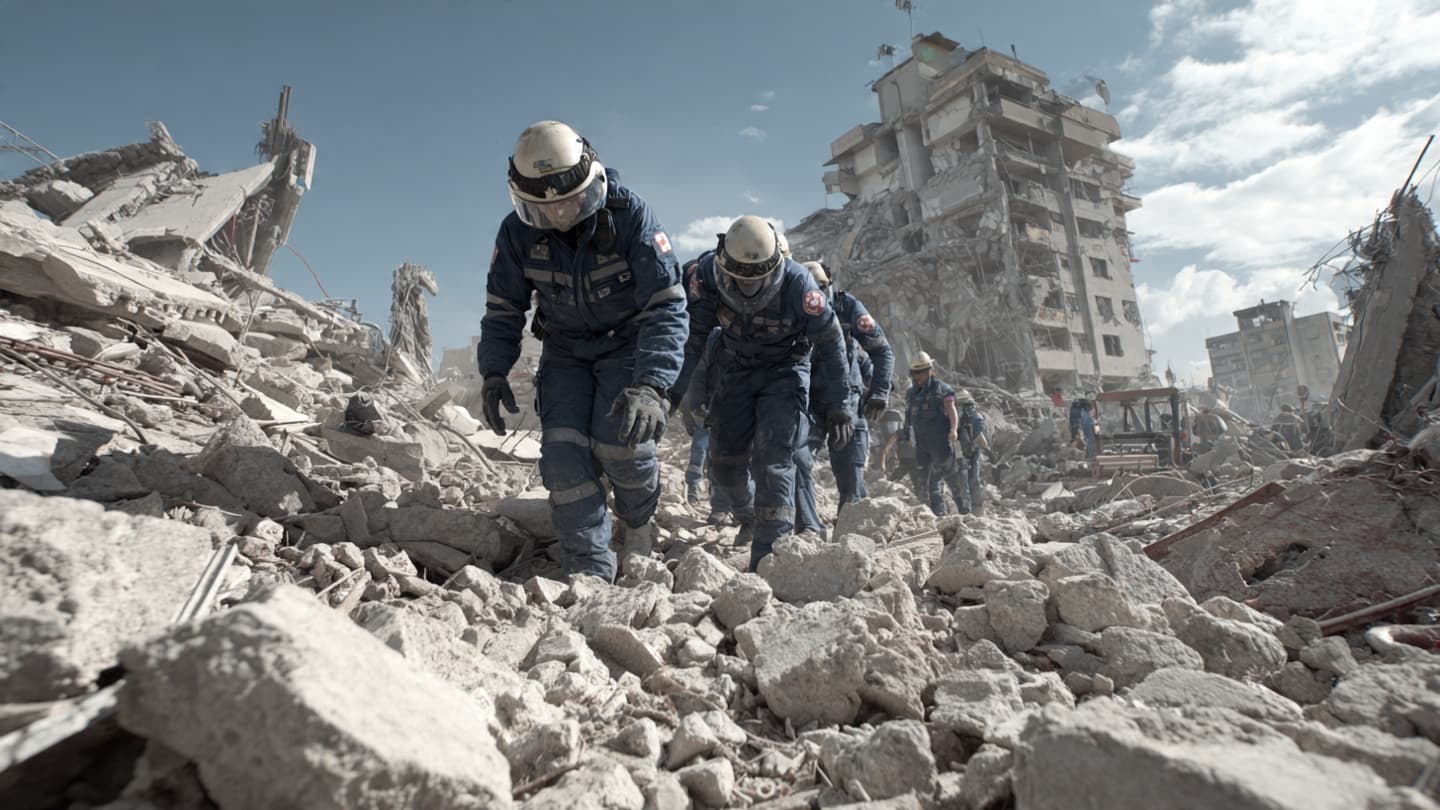
- Emergency teams deployed to search for survivors and assess damage.
- International assistance coordinated for medical supplies and food.
As dawn broke across parts of Venezuela, many residents awoke to a landscape transformed in mere moments. The ground, often regarded as a symbol of permanence, shifted unexpectedly, reminding communities of nature's immense power and humanity's enduring vulnerability.
This week, two strong earthquakes struck regions of Venezuela, causing significant destruction in several communities. Authorities reported collapsed buildings, damaged infrastructure, and widespread power disruptions. Emergency teams were immediately deployed to search for survivors and assess the extent of the damage. The earthquakes have left many families displaced, grappling with the aftermath of the disaster.
In response to the crisis, government agencies, supported by local volunteers, established temporary shelters for displaced residents. Schools, sports centers, and public buildings were converted into emergency accommodation facilities as thousands sought refuge following the earthquakes. The swift action of local authorities and volunteers has been crucial in providing immediate relief to those affected.
International assistance began arriving shortly after the disaster. Neighboring countries, humanitarian organizations, and global relief agencies coordinated shipments of medical supplies, food, clean water, and emergency equipment. Rescue specialists with experience in disaster response joined local teams on the ground, enhancing the capacity to manage the crisis effectively. This collaborative effort underscores the importance of global solidarity in times of disaster.
Seismologists noted that Venezuela lies near active tectonic boundaries, making parts of the country susceptible to earthquakes. Although large seismic events are relatively infrequent compared with some neighboring regions, experts have long emphasized the importance of preparedness and resilient infrastructure. The recent earthquakes serve as a stark reminder of the need for ongoing investment in disaster readiness.
Hospitals in affected areas continued operating under challenging conditions. Medical personnel worked extended hours while emergency services transported injured residents from remote communities. Authorities also prioritized restoring communication networks and electricity supplies, which are vital for coordinating recovery efforts. The resilience of healthcare workers during this crisis has been commendable, as they strive to provide care amidst overwhelming circumstances.
Economic disruptions are expected in the short term as transportation routes and public infrastructure undergo repairs. Several roads remain partially closed while engineers conduct safety inspections on bridges and buildings. The economic impact of the earthquakes will likely be felt for months, affecting local businesses and livelihoods.
Humanitarian organizations stressed that recovery efforts may continue for months. Beyond physical reconstruction, mental health support and long-term community assistance will likely play important roles in helping affected families rebuild their lives. The psychological toll of such disasters can be profound, necessitating a comprehensive approach to recovery that addresses both physical and emotional needs.
Officials continue to monitor aftershocks and urge residents to follow safety guidance while recovery operations proceed. International relief efforts remain ongoing as Venezuela begins the difficult process of reconstruction. The solidarity shown by both local and international communities highlights the strength of human resilience in the face of adversity.
Published by Banx Network. This article is part of the Banx decentralized media programme, powered by the BXE token on the XRP Ledger.



