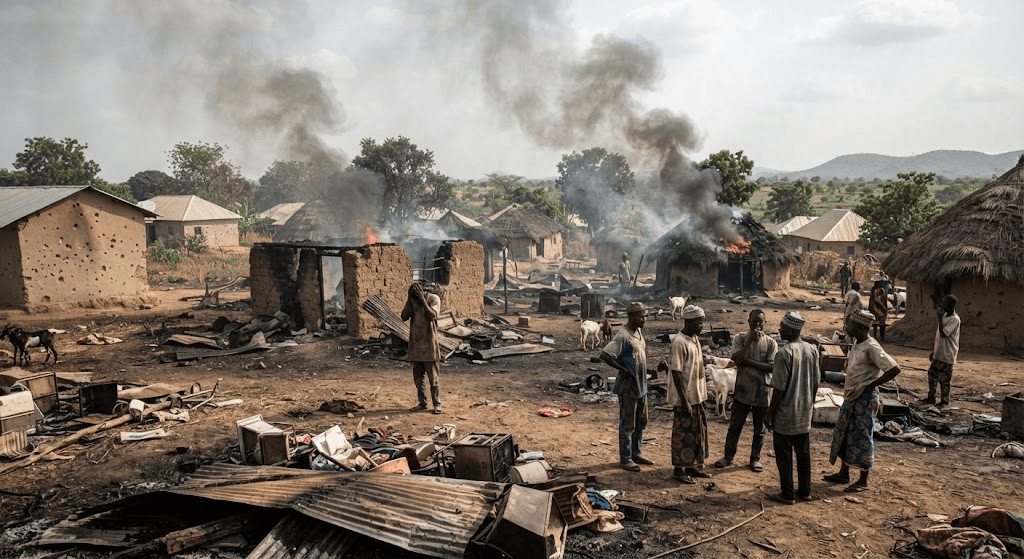
The landscape of Sarangani, etched by the recent magnitude 7.8 tremor, remains a place of profound silence and deep reflection. As the dust settles and the initial urgency of the rescue operations fades into a steady, methodical search, the community finds itself grappling with the weight of numbers that represent far more than statistics. The official death toll has reached nineteen, a figure that anchors the collective grief of a region. Yet, for the families of the twelve individuals still missing, the passage of time is measured not in recovery, but in the agonizing, rhythmic wait for news that remains elusive.
This period of transition from emergency response to sustained search is perhaps the most difficult for a community. It is a time when the external world begins to return to a semblance of normal, yet for those who remain displaced or are still searching for their loved ones, the world has irrevocably stopped. The authorities, working with local volunteers and specialists, continue to traverse the scarred terrain, navigating the hazards left behind by the quake—the unstable hillsides, the fractured roads, and the debris-strewn valleys—in an effort to bring closure to the affected families.
The nature of the terrain in Sarangani, with its steep slopes and isolated settlements, has made the search operation one of extreme logistical complexity. The landslide events, which occurred almost immediately following the initial shaking, buried homes and pathways, complicating the work of those dedicated to the recovery efforts. This environment demands a quiet, respectful approach, acknowledging the sacred nature of the land that has become, for some, a final resting place.
There is a sense of shared responsibility that permeates the ongoing search. It is a collective endeavor, where the local government units, the national disaster agencies, and the neighbors of those affected work in tandem. The focus remains consistent: to honor the missing by maintaining the search with dignity and unwavering attention. It is a testament to the resilience of the local community that, despite the overwhelming scale of the disaster, they have remained committed to the task of bringing their people home.
As the days unfold, the conversation shifts slightly to the importance of memorialization and the role of support services in navigating this period of deep uncertainty. The families of the missing are provided with psychosocial support, a necessary acknowledgment that the trauma of the event extends far beyond the immediate physical loss. It is a reminder that the recovery process is not just about the tangible—the buildings to be rebuilt or the roads to be cleared—but about the intangible health of the community’s spirit.
The persistence of the search efforts, even as the focus of the broader region begins to turn toward long-term reconstruction, serves as a powerful statement. It signals that every life is valued and that the efforts to resolve the fates of the missing are a fundamental priority. There is a quiet grace in this commitment, a recognition that the work is not complete until every effort has been exhausted.
As the authorities continue to provide updates, the language remains measured and precise, reflecting the gravity of the situation. It is a delicate balance, providing transparency while holding space for the vulnerability of the families involved. The ongoing investigation into the incident sites also provides a path for potential future mitigation, ensuring that the lessons learned from this tragedy are documented with care.
The search remains a central pillar of the local disaster management strategy. As the teams continue their work, supported by the provincial government, the focus is on the most inaccessible areas where initial recovery efforts were stalled by environmental hazards. The dedication of the rescuers continues to serve as a steady light for the community, providing a sense of collective purpose in the face of persistent adversity.
Local disaster management authorities in Sarangani have confirmed that the death toll from the magnitude 7.8 earthquake of June 8 currently stands at 19, with 12 individuals still unaccounted for. Ongoing recovery operations are being concentrated in remote, landslide-affected areas where debris clearance has been hindered by terrain instability and persistent aftershocks. The Provincial Disaster Risk Reduction and Management Office (PDRRMO) is coordinating with search-and-rescue teams to continue efforts in these sectors, while simultaneously providing ongoing support to the families of the missing. Authorities emphasize that the search will persist as long as there is potential to locate the missing, despite the mounting challenges posed by the evolving environmental landscape.
Published by Banx Network. This article is part of the Banx decentralized media programme, powered by the BXE token on the XRP Ledger.

.jpg&w=3840&q=75 "Intelligence Agencies Suspect Russia Is Developing Anti-Satellite Weapon to Target Starlink")