The vast industrial landscape of the mining district unrolls under a heavy, gray sky, a terrain defined by massive headframes, sprawling tailing piles, and the continuous rumble of processing mills. For generations, life in this region has been anchored to the mineral wealth resting miles beneath the ancient clay, a subterranean treasure that has sustained the economy through many political eras. The communities built around these shafts exist in a unique symbiosis with the dark spaces below, their families bound to a tradition of heavy labor that is as prideful as it is perilous. Yet, when the immense pressures of the deep earth manifest in a sudden disruption, a heavy silence descends over the surface, reminding all of the fragile nature of human engineering.
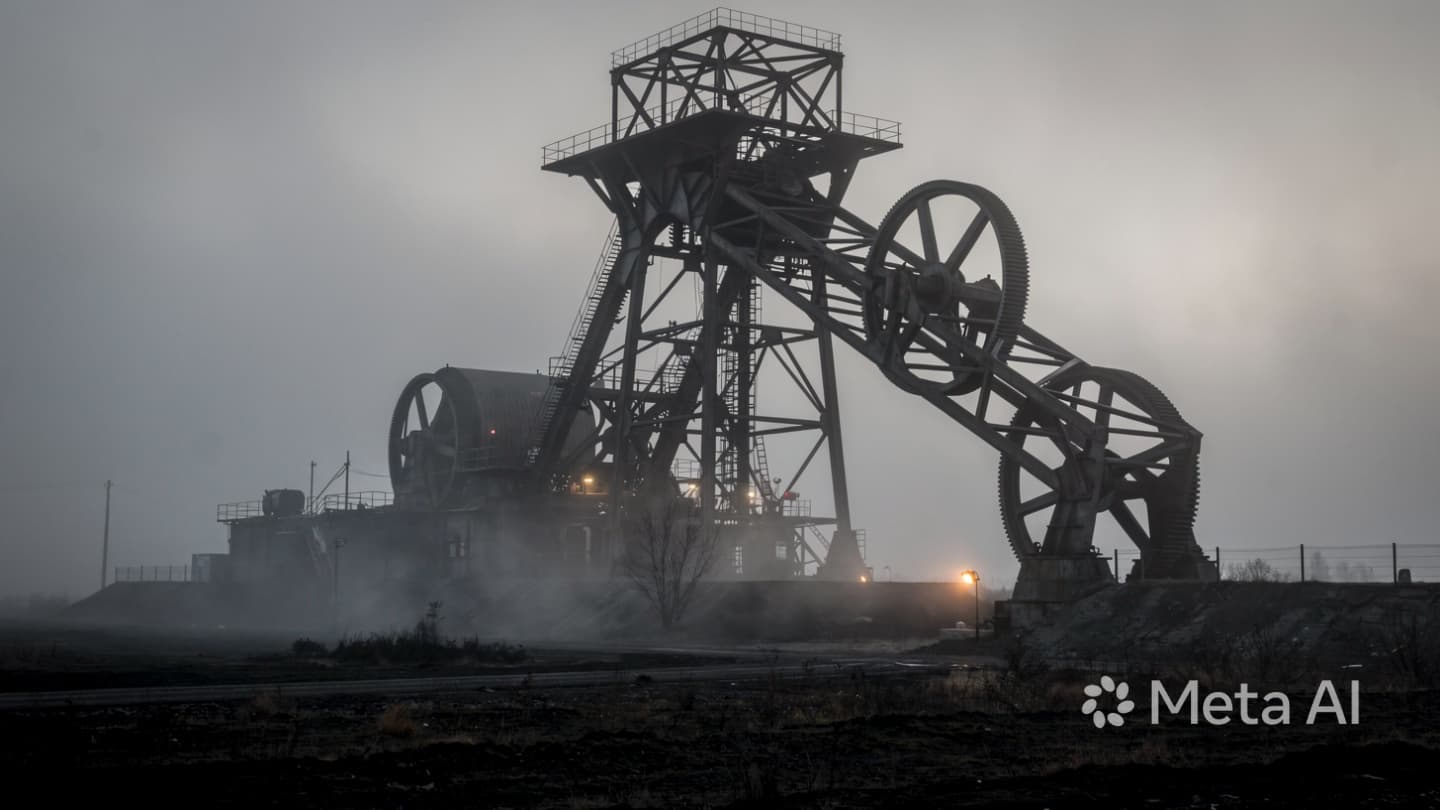
In the quiet hours of the afternoon, the shadow of the main extraction tower stretches across the frozen mud of the complex courtyard, a stark monument to human persistence. The extraction of potash remains a vital pillar of the nation's material output, a complex industrial process that requires the constant, precise management of geological forces that defy easy containment. The miners who descend into the dark galleries each morning operate with a quiet, mutual reliance, finding in their shared discipline a shield against the inherent hazards of the deep underground. When that shield is punctured by an unforeseen geological movement, the collective mood of the township shifts instantly from industrious routine to anxious solidarity.
Recent structural movements and a subsequent industrial failure within the deep sectors of the Soligorsk mining complex have prompted a comprehensive technical inquiry by state engineering boards and safety ministries. The investigation seeks to uncover the exact sequence of events that led to the collapse of a subterranean working face, an incident that disrupted production and put human lives at immediate risk. The exposure of this vulnerability within one of the world's largest mineral deposits highlights the constant, hidden risks that accompany the extraction of industrial wealth from the deep strata of the earth. It is a reminder that the push for production must always remain subordinate to the preservation of life.
This sudden disruption leaves a lingering shadow over the immediate community, where almost every household has a connection to the underground shifts. The conversation in the local tea houses and neighborhood plazas is muted and analytical, marked by a deep understanding of the technical challenges involved in stabilizing a compromised shaft. Neighbors speak not with panic, but with the calm, resilient stoicism that is characteristic of mining towns worldwide—a population that understands that the earth does not yield its riches without a constant, quiet negotiation. The focus remains on the immediate welfare of those affected and the structural future of the livelihood that sustains them.
The transition toward a more rigorous evaluation of safety protocols is manifesting within the administrative suites of the mining enterprise, where engineers are reconstructing the incident using digital seismic data. Specialized diagnostic teams are analyzing the pressure signatures of the rock walls to determine whether the failure was an unavoidable natural event or the result of accelerated extraction schedules. This technical assessment is slow and painstaking, unfolding over weeks of computational mapping and physical inspection of the stable upper galleries. The goal is to develop new structural reinforcements that can prevent such displacements as the mine pushes deeper into the earth.
Meanwhile, the surface operations of the complex continue with a subdued, deliberate focus, as rail cars are loaded with refined minerals under the watchful eye of safety inspectors. The steady movement of freight serves as a vital sign of continuity, proving that the industrial heart of the region remains resilient even during a period of intense internal scrutiny. The workers move through their shifts with an enhanced awareness, their eyes scanning the equipment and the horizon with the same patient discipline that has defined their lineage for a century. It is a collaborative effort to maintain the lifeblood of the town while honoring the lessons of the deep.
As twilight falls over the industrial valleys, the high-intensity lamps of the mining complex flicker to life, casting a harsh, pale glow over the labyrinth of rails and storage sheds. The towering headframe stands as a silent sentinel against the darkening sky, its massive wheels motionless for the evening as the investigation continues below. The profound stillness that settles over the site is filled with the weight of reflection, a space where the costs of material progress are quietly measured against the human equation. The choices made in the coming weeks will shape the safety of the underground landscape for the generations that inherit these tools.
Looking ahead, the long-term viability of the extraction sector will depend on a fundamental commitment to the highest standards of automated monitoring and geological oversight. A society cannot prosper if its foundational industries are perceived as places where safety is compromised for the sake of volume. By integrating advanced seismic arrays and respecting the physical limits of the strata, the mining enterprise can ensure that its operations remain sustainable and safe for the future. The rigorous inquiries of today are the essential investments required to safeguard the lives of tomorrow's miners.
Industrial safety regulators and geological engineers have launched a formal technical inquiry into the causes of a significant underground collapse at the Soligorsk potash facility. Specialized diagnostic teams are currently evaluating structural integrity logs and seismic monitoring records from the affected production gallery. The state mining authority has ordered a temporary suspension of extraction activities within the deep southern sectors pending the final safety clearance.
Published by Banx Network. This article is part of the Banx decentralized media programme, powered by the BXE token on the XRP Ledger.