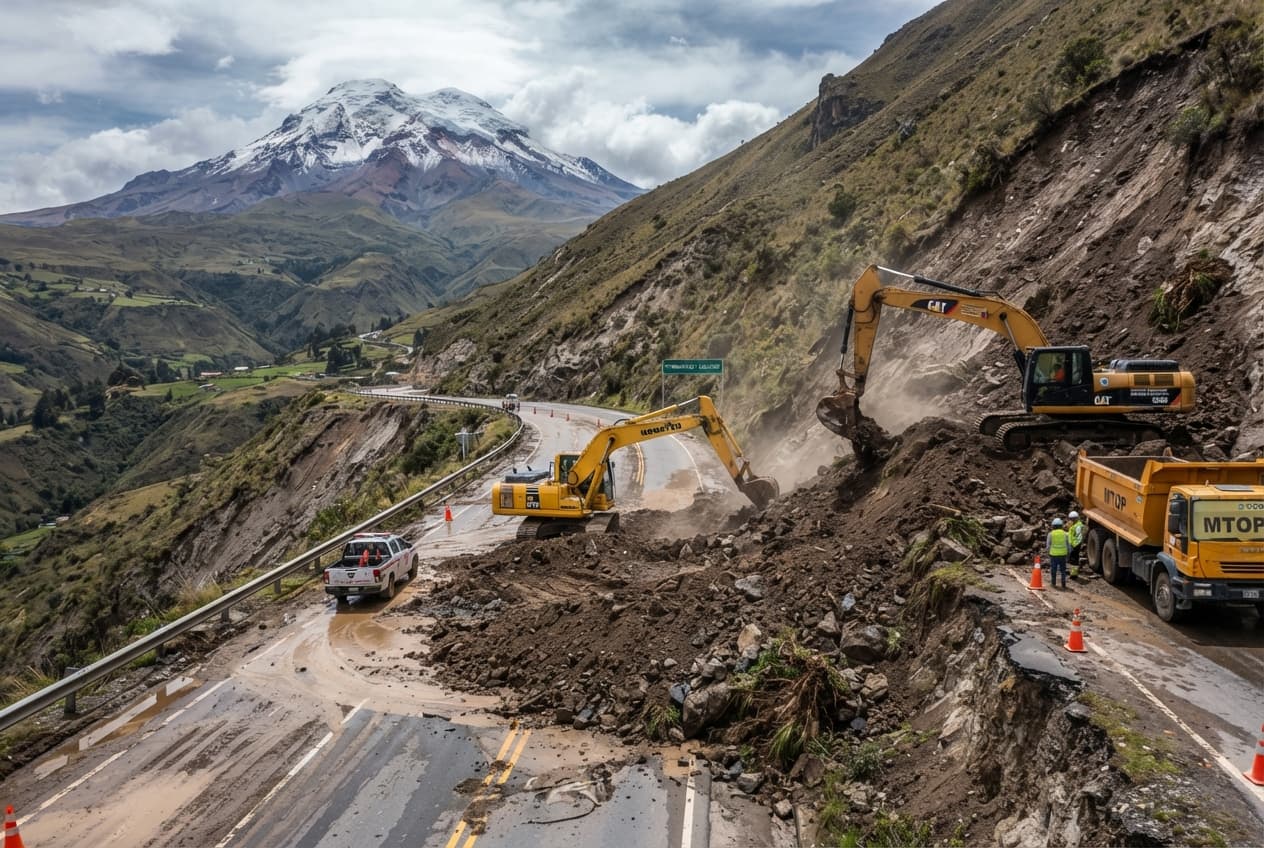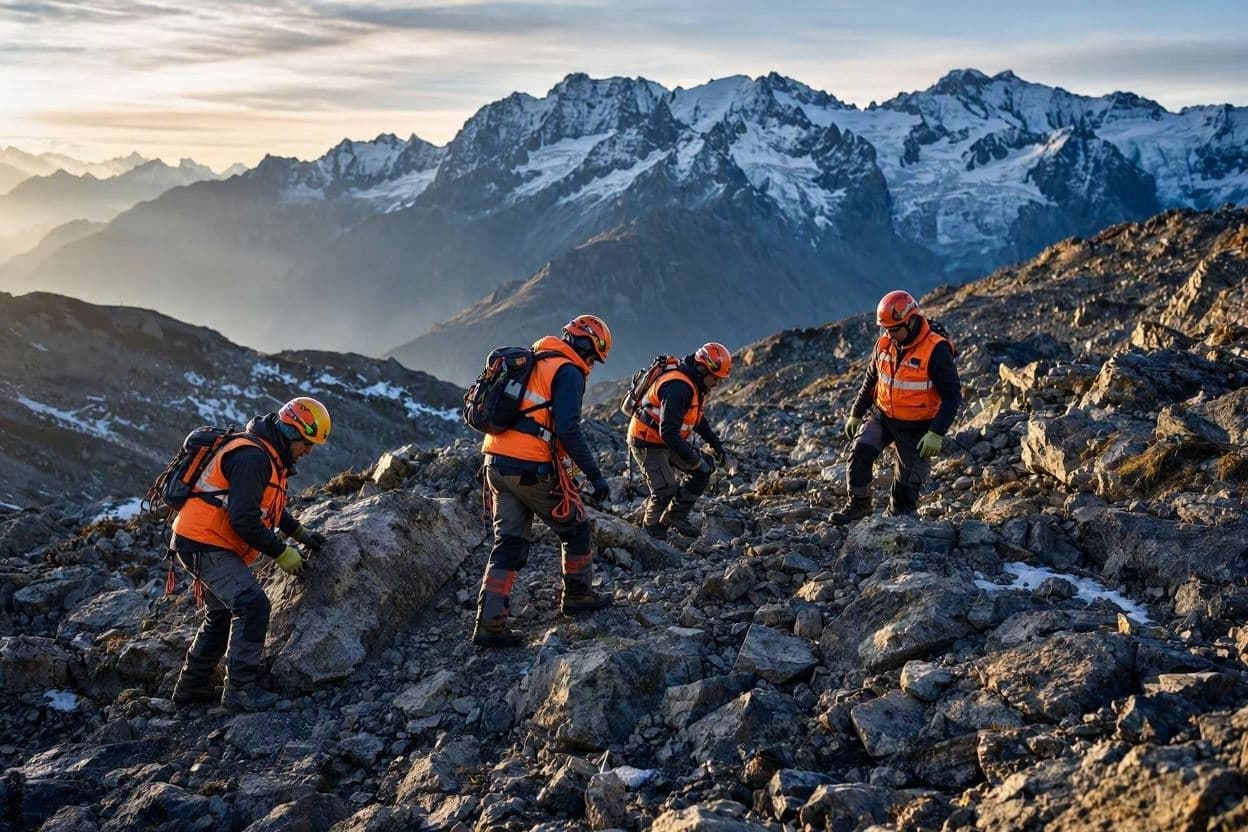
In the high Himalayas, where the air is thin and the terrain unforgiving, nature commands respect with every shift of the earth. Recently, this majestic region has been shaken by a devastating disaster, leaving thousands missing and communities in distress. Along the border between China and Nepal, rescue teams are engaged in a tireless search, navigating treacherous landscapes to find survivors. It is a testament to human resilience in the face of overwhelming odds.
The disaster, triggered by a powerful earthquake followed by massive landslides, buried several villages under tons of rock and debris. The remote location of the affected areas has complicated rescue efforts, requiring helicopters and specialized mountain rescue units. Both Chinese and Nepalese authorities have coordinated their response, sharing resources and information to maximize the chances of finding survivors. The collaboration underscores the shared humanity that transcends political boundaries.
Thousands of people are still unaccounted for, with families waiting anxiously for news. Local volunteers have joined professional rescuers, using their knowledge of the terrain to access hard-to-reach spots. The effort is fraught with danger, as aftershocks and unstable ground pose constant threats. Yet, the determination to save lives remains unwavering. Every hour counts in such scenarios, and the teams are working around the clock despite exhaustion.
The humanitarian impact is profound. Survivors face shortages of food, water, and medical supplies, exacerbated by blocked roads and damaged infrastructure. Aid agencies are airlifting essential goods to temporary camps, but the scale of need is vast. International organizations have offered support, sending experts and equipment to assist in the relief operations. The global community watches with concern, ready to help alleviate the suffering.
Communication networks have been disrupted, making it difficult to assess the full extent of the damage. Satellite imagery is being used to identify affected areas and plan rescue routes. Engineers are working to restore connectivity, which is crucial for coordinating logistics and reuniting families. The technological challenge is as significant as the physical one, requiring innovation and adaptability in crisis management.
The psychological toll on the survivors and rescuers alike is immense. Trauma counselors are being deployed to provide mental health support, recognizing that healing involves more than just physical recovery. Stories of loss and survival are emerging, highlighting the fragility of life in such volatile environments. These narratives serve as a poignant reminder of the need for preparedness and resilience in disaster-prone regions.
As days pass, the hope of finding survivors diminishes, but the commitment to recovery remains strong. The focus will eventually shift to rebuilding homes and livelihoods, a process that will take years. The international community is urged to maintain its support, ensuring that the affected regions do not fade from attention once the immediate crisis subsides. Solidarity is key to long-term recovery.
Rescue operations continue as weather permits, with teams prioritizing areas with the highest likelihood of finding survivors. Authorities have appealed for continued patience and support from the public, emphasizing that the journey to recovery has only just begun.
AI Image Disclaimer: The visual content associated with this report is generated by artificial intelligence and does not depict real individuals or specific events.
Sources: Al Jazeera Xinhua News Agency The Kathmandu Post BBC News
Published by Banx Network. This article is part of the Banx decentralized media programme, powered by the BXE token on the XRP Ledger.