
Key Highlights
- Significant lithium and jadarite deposits discovered in Serbia.
- New government regulations aim for sustainable mining practices.
- The region is poised for economic transformation through mineral extraction.
Serbia is on the brink of a significant economic transformation, driven by the discovery of rare earth minerals beneath its fertile lands. Recent geological surveys have identified substantial deposits of lithium and jadarite in the western regions of the country, valued at several billion dollars. This discovery positions Serbia as a potential leader in the global supply chain for critical minerals, essential for the production of batteries and renewable energy technologies.
The Serbian government has responded proactively to this opportunity by establishing a new regulatory framework aimed at ensuring that mining operations adhere to the highest European environmental standards. This initiative not only seeks to protect the local environment but also emphasizes the importance of investing in local infrastructure and sustainable land reclamation practices. As the world shifts towards greener energy solutions, Serbia's approach could serve as a model for balancing economic growth with environmental stewardship.
The implications of these mineral deposits extend beyond economic benefits. The lithium extracted from Serbia's soil is crucial for the production of batteries that power electric vehicles and store renewable energy. As global demand for these technologies surges, Serbia's role in the supply chain becomes increasingly vital. The country is transitioning from a reliance on traditional coal mining to a focus on these high-demand minerals, marking a significant shift in its industrial identity.
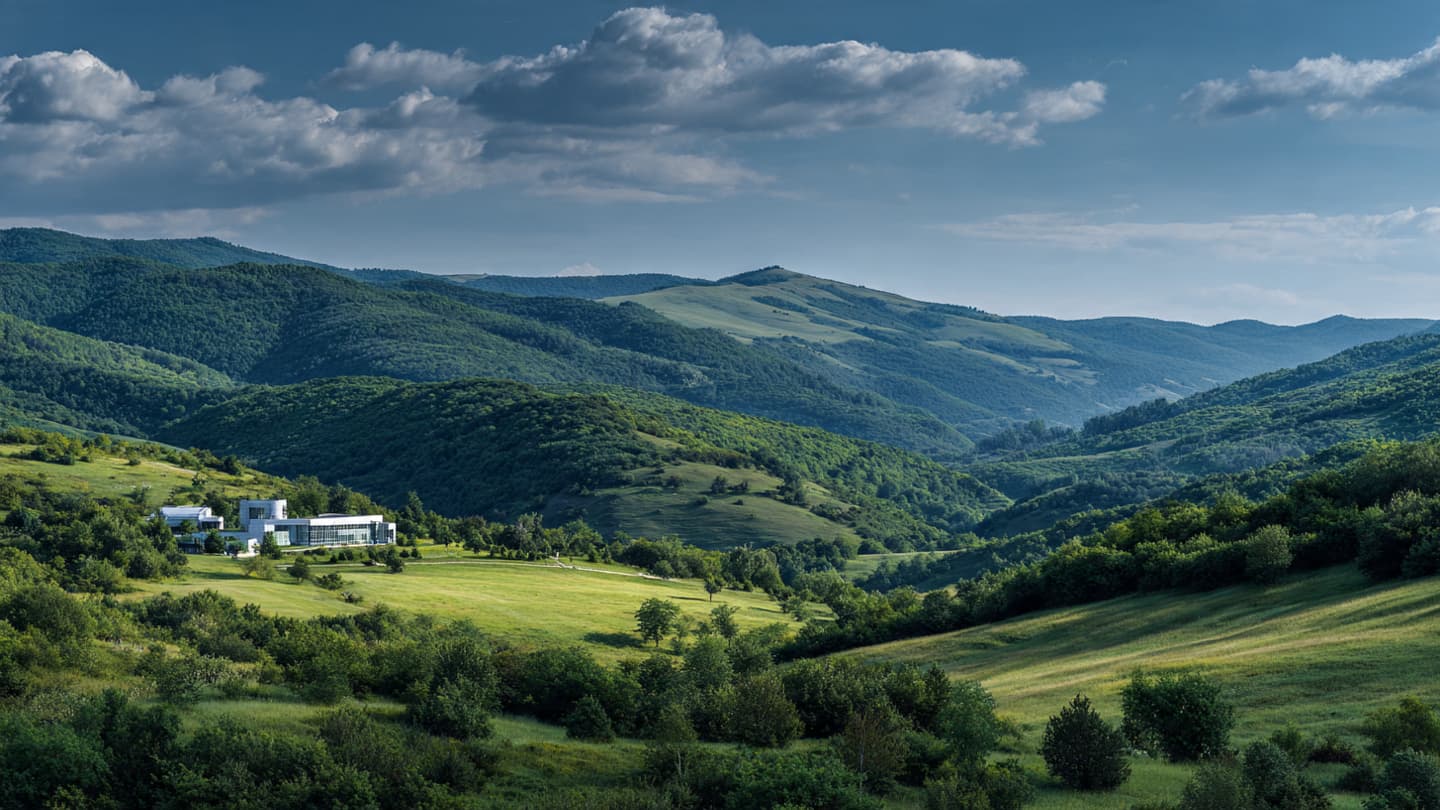
Local communities are beginning to feel the effects of this transformation. The quiet rural landscape is now intersected by increased activity from mining companies and researchers eager to explore the potential of these resources. Residents are witnessing changes in their daily lives, with new job opportunities and investments in local services. However, this rapid development also brings challenges, as the community must navigate the complexities of industrial growth while preserving their agricultural heritage.
In Belgrade, scientists are meticulously studying the crystalline structures of these minerals, revealing their potential to contribute to a more sustainable future. This scientific inquiry is not merely academic; it is a vital part of the dialogue between the earth's resources and human innovation. The extraction of these minerals is approached with a sense of responsibility, recognizing that the earth's wealth must be handled with care to avoid long-term ecological damage.
As Serbia steps into this new era, the global energy transition is increasingly reliant on the minerals it has to offer. The Balkans, historically a crossroads of cultures and ideas, are now becoming a pivotal player in the future of energy. The story of Serbia's rare earth elements is one of connection—between the past and the future, between local landscapes and global needs. This narrative underscores the importance of understanding our relationship with the earth and the resources it provides, as we collectively strive for a sustainable future.
The Serbian Geological Survey's findings and the government's commitment to sustainable practices signal a promising future for the region. As Serbia embraces its role in the global energy landscape, it is essential to ensure that the extraction of these valuable minerals is conducted responsibly, preserving the integrity of the land for generations to come.
Published by Banx Network. This article is part of the Banx decentralized media programme, powered by the BXE token on the XRP Ledger.



