Key Highlights
- Earthquakes:Two powerful earthquakes struck Venezuela, causing widespread panic and damage.
- Emergency Response:Government agencies deployed rescue teams and initiated emergency measures.
- International Aid:Humanitarian organizations provided support and supplies to affected areas.
The earth beneath Venezuela has once again reminded its inhabitants of nature's unpredictability, as two powerful earthquakes rocked the nation, leaving communities in a state of uncertainty and resilience. The seismic events, which struck various regions, sent shockwaves through both urban and rural areas, prompting immediate evacuations as residents fled homes, schools, and workplaces in search of safety.
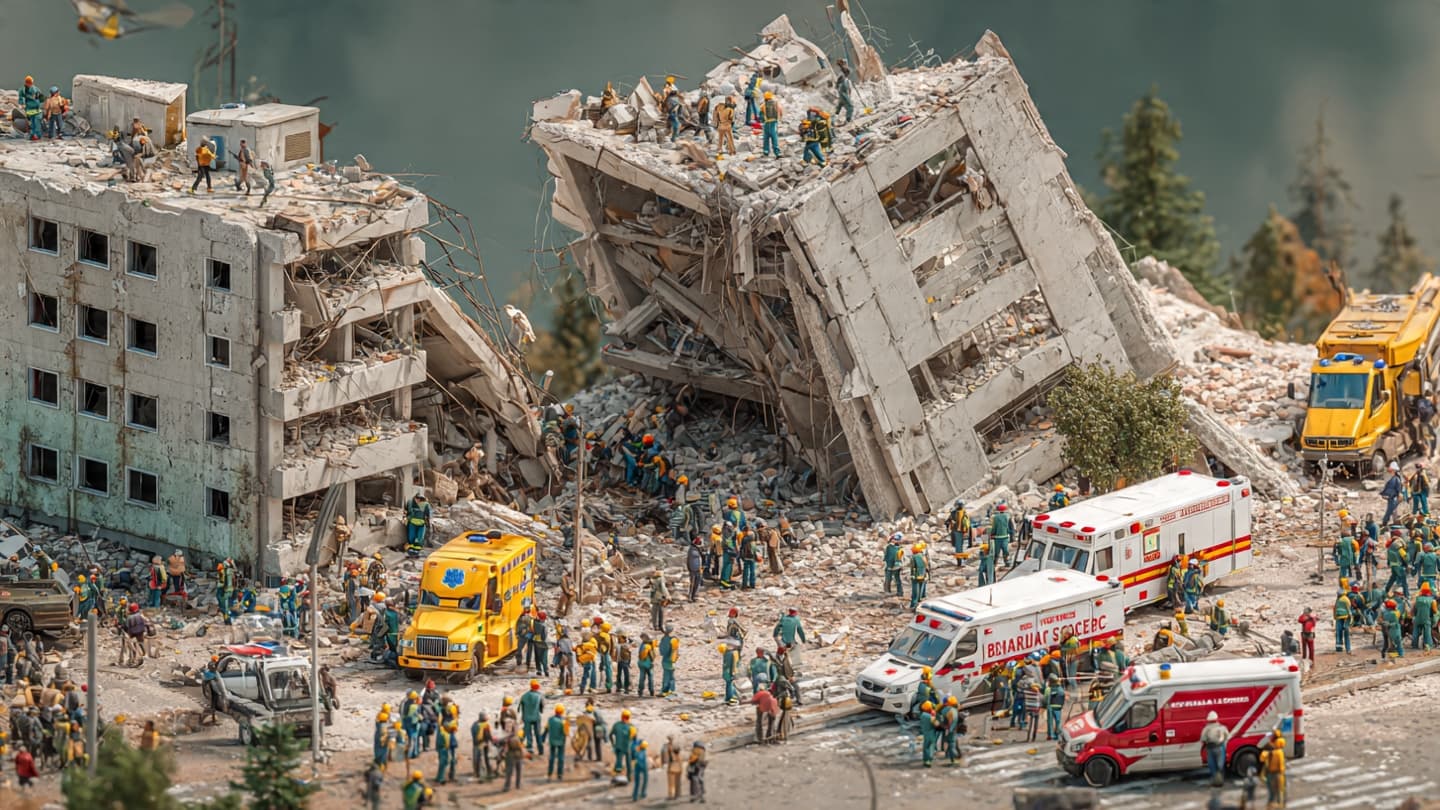
In the wake of the earthquakes, government agencies swiftly activated emergency response protocols. Rescue teams, firefighters, medical personnel, and civil defense units were dispatched to assess the damage and provide assistance in the most affected areas. Initial reports indicated significant structural damage, leading authorities to evaluate transportation networks, hospitals, and essential infrastructure to gauge the full extent of the impact.
As the situation unfolded, international assistance began to flow into Venezuela. Humanitarian organizations and neighboring countries offered logistical support, emergency supplies, medical equipment, and specialized rescue personnel. This regional cooperation highlighted the importance of solidarity during natural disasters, as communities band together to aid those in need.
Seismologists have long warned that Venezuela is situated near tectonically active zones, making earthquakes a persistent threat. Experts have cautioned that aftershocks are likely to follow significant seismic activity, urging residents to remain vigilant and prepared for further tremors. Many families spent the night outdoors, uncertain about the safety of their homes, while temporary shelters were set up in public facilities to provide refuge.
In response to the crisis, volunteers mobilized to distribute food, drinking water, blankets, and other essential supplies to those affected. Infrastructure assessments were ongoing, with engineers inspecting bridges, roads, and public buildings to ensure safety and functionality. Restoring electricity and communication networks became a priority in areas experiencing service disruptions, as officials worked tirelessly to restore normalcy.
As recovery efforts continue, authorities are encouraging citizens to adhere to emergency guidance and remain informed about safety protocols. The coming days are expected to shed light on the physical damage inflicted by the earthquakes and the long-term recovery needs of the affected communities. The resilience of the Venezuelan people will be tested as they navigate the challenges ahead, but with support from both local and international partners, there is hope for a swift recovery.
Published by Banx Network. This article is part of the Banx decentralized media programme, powered by the BXE token on the XRP Ledger.