
Key Highlights
- Death Toll:Venezuela's twin earthquakes have claimed 3,342 lives.
- Injuries:Over 16,000 people have been reported injured.
- Displacement:Thousands are displaced, with temporary shelters established.
The recent twin earthquakes that struck northern Venezuela have left a profound impact on the nation, both physically and emotionally. As the dust settles, the grim reality of the disaster unfolds, revealing a staggering death toll of 3,342, marking it as one of the deadliest natural catastrophes in the country's history. In addition to the fatalities, more than 16,000 individuals have sustained injuries, and thousands have been forced from their homes, prompting a massive humanitarian response.
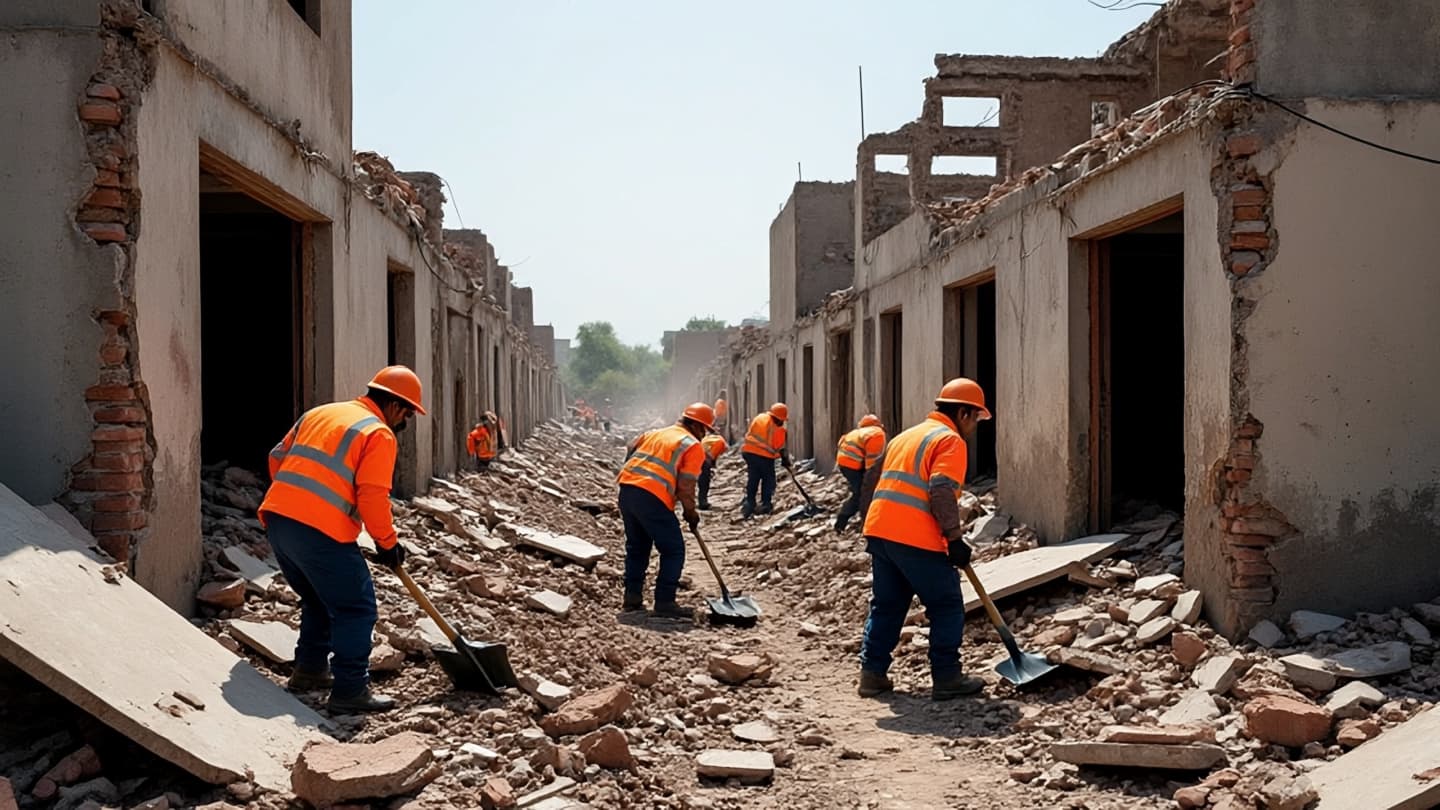
Emergency responders, including military personnel, firefighters, and volunteers, have been tirelessly working through the rubble of damaged neighborhoods. Despite facing challenging conditions, these brave individuals have deployed heavy machinery, rescue dogs, and specialized search teams to locate survivors and recover victims from collapsed buildings. As rescue operations transition into recovery efforts, the focus has shifted towards identifying victims and providing support to those displaced.
La Guaira, a coastal state, has emerged as one of the hardest-hit areas, with extensive structural damage reported across residential neighborhoods and public infrastructure. In response, temporary shelters have been established to accommodate thousands of individuals who can no longer safely return to their homes. Humanitarian organizations are actively assessing the ongoing needs of affected communities, ensuring that essential services are restored as quickly as possible.
Amid growing public concern regarding the speed and coordination of rescue operations, government officials have defended their emergency response efforts. They assert that security forces were mobilized immediately following the earthquakes and have announced additional measures aimed at enhancing disaster preparedness for future emergencies. However, the effectiveness of these measures remains under scrutiny as the nation grapples with the aftermath of the disaster.
International organizations and neighboring countries have stepped in to provide humanitarian assistance, offering medical support, engineering expertise, and essential relief supplies. The United Nations has been coordinating with Venezuelan authorities to ensure that recovery planning extends beyond the immediate emergency phase, addressing the long-term needs of affected communities.
Seismologists warn that earthquakes of this magnitude often result in enduring social and economic repercussions. The recovery process will not only involve rebuilding damaged infrastructure but also restoring essential services and addressing the emotional toll on survivors and rescue workers. As assessments continue, officials caution that casualty figures may fluctuate as more victims are identified and ongoing investigations into missing persons proceed.
This tragedy serves as a stark reminder of the critical importance of disaster preparedness, resilient infrastructure, and a coordinated emergency response. While the road to recovery will be long and resource-intensive, the determination of rescue teams and affected communities shines through as they work together to rebuild their lives and restore hope.
Published by Banx Network. This article is part of the Banx decentralized media programme, powered by the BXE token on the XRP Ledger.



