
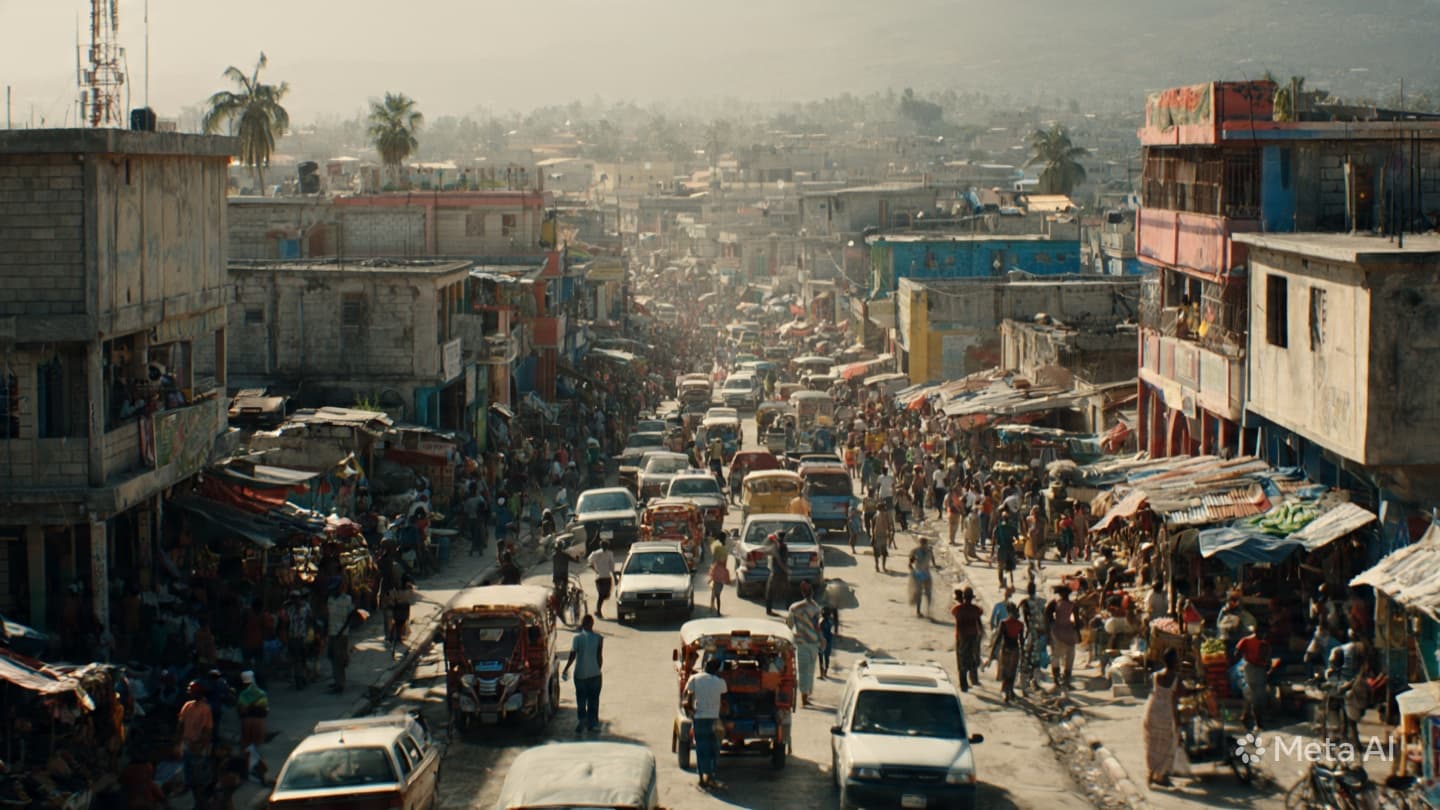
Key Highlights
- Incident:A building collapse in Port-au-Prince has resulted in multiple fatalities.
- Recovery Efforts:Rescue teams are working tirelessly to clear debris and locate survivors.
- Safety Concerns:Investigations are underway to assess structural integrity and compliance with building codes.
The recent collapse of a building in Port-au-Prince has sent shockwaves through the community, highlighting the precarious nature of urban living in a city where safety is often compromised. This tragic event, which has claimed several lives, serves as a stark reminder of the vulnerabilities inherent in densely populated areas. As rescue operations continue, the focus remains on both recovery and the urgent need for improved safety measures.
In the immediate aftermath of the collapse, the scene is one of chaos and despair. Rescue teams are working around the clock to sift through the rubble, hoping to find survivors while grappling with the grim reality of loss. The emotional toll on families and friends of the victims is profound, as they confront the sudden absence of loved ones who were once secure within the walls of their homes.
The investigation into the causes of the collapse is critical. Civil engineers are assessing the site to determine whether structural instability, inadequate building materials, or environmental factors contributed to this disaster. The community is demanding accountability from local authorities, emphasizing the need for rigorous enforcement of building codes to prevent such tragedies in the future.
As the dust settles, the conversation shifts to the broader implications for urban planning in Port-au-Prince. The city has long faced challenges related to infrastructure and safety, and this incident has reignited discussions about the importance of sustainable development. Residents are calling for a comprehensive review of existing structures and a commitment to building practices that prioritize safety and resilience.
The emotional impact of the collapse extends beyond the immediate loss of life. It serves as a catalyst for change, prompting a reevaluation of how communities can better protect themselves against future disasters. The resilience of the people of Port-au-Prince is evident in their response to this tragedy, as they come together to support one another in the face of adversity.
In the coming weeks, as recovery efforts continue, the focus will remain on honoring the memory of those lost while advocating for a safer urban environment. The lessons learned from this incident must not be forgotten, as they hold the key to preventing future tragedies. The community's commitment to safety and accountability will be essential in shaping the future of Port-au-Prince, ensuring that the structures built to shelter its residents are both secure and enduring.
Published by Banx Network. This article is part of the Banx decentralized media programme, powered by the BXE token on the XRP Ledger.



