
Key Highlights
- Location:Kanjiza district, Serbia, known for its geothermal potential.
- Project:Mapping efforts reveal hidden thermal energy resources.
- Impact:Aims to promote sustainable energy solutions for local communities.
The Kanjiza district in northern Serbia is experiencing a quiet yet profound transformation as researchers delve into the geothermal energy potential lying beneath its surface. This region, traditionally recognized for its agricultural bounty, is now becoming a focal point for sustainable energy exploration. The ongoing mapping project aims to uncover the thermal reservoirs that have remained largely unnoticed, promising a future where the earth's warmth can be harnessed to power homes and businesses.
Recent geological surveys have begun to reveal the intricate network of heat sources beneath the soil, a process that feels akin to rediscovering a long-forgotten narrative. Geologists equipped with advanced instruments are meticulously analyzing the subsurface, listening to the silent interactions between rock formations and groundwater. This careful examination is not merely a scientific endeavor; it represents a reconnection with the earth's ancient rhythms, a journey into the depths of the planet that has shaped the region for millennia.
As the researchers gather data, the implications of their findings extend beyond mere numbers. The potential for geothermal energy in Kanjiza suggests a sustainable alternative to conventional energy sources, allowing the community to thrive without compromising the integrity of its landscape. This innovative approach to energy production emphasizes a symbiotic relationship with nature, tapping into the earth's inherent vitality rather than exploiting it.
The mapping project has sparked conversations among local residents, who are beginning to envision a future where their homes could be heated by the very ground they stand on. The idea of utilizing geothermal energy resonates deeply, offering a sense of autonomy and resilience. It is a shift in perspective that encourages the community to value the invisible resources beneath their feet, recognizing that sustainability can be achieved without sacrificing their natural heritage.
The methodology employed by the scientists combines cutting-edge technology with a deep respect for the environment. As they deploy sensors to probe the crust, they uncover a complex web of fissures and aquifers that have been guiding energy flow for eons. This intricate mapping not only enhances our understanding of geothermal potential but also serves as a reminder of the dynamic nature of the earth beneath us.
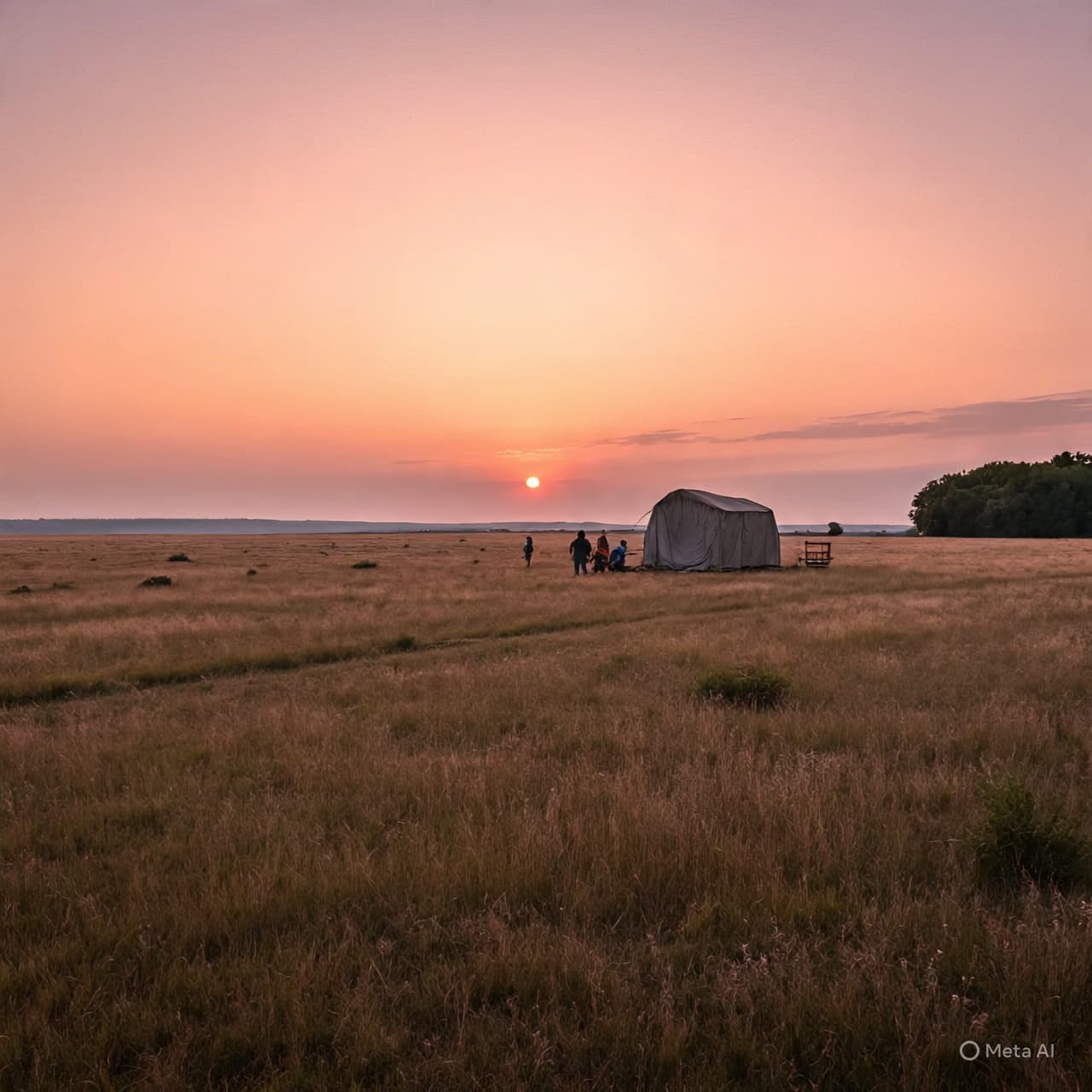
As the sun sets over the Vojvodina plains, casting a warm glow on the fields, the significance of this geothermal exploration becomes increasingly apparent. The transition to sustainable energy is often framed as a challenge, yet in Kanjiza, it feels more like an invitation to embrace a new way of living. By looking downward and acknowledging the resources that lie beneath, the community is poised to redefine its relationship with energy and the environment.
In conclusion, the geothermal mapping project in Kanjiza represents a significant step toward a sustainable future. By identifying and harnessing the thermal energy beneath their feet, the residents of this Serbian district are not only preserving their natural landscape but also paving the way for a resilient and self-sufficient community. This initiative highlights the importance of understanding and valuing the earth's resources, reminding us that the solutions to our energy needs may be closer than we think.
Published by Banx Network. This article is part of the Banx decentralized media programme, powered by the BXE token on the XRP Ledger.



