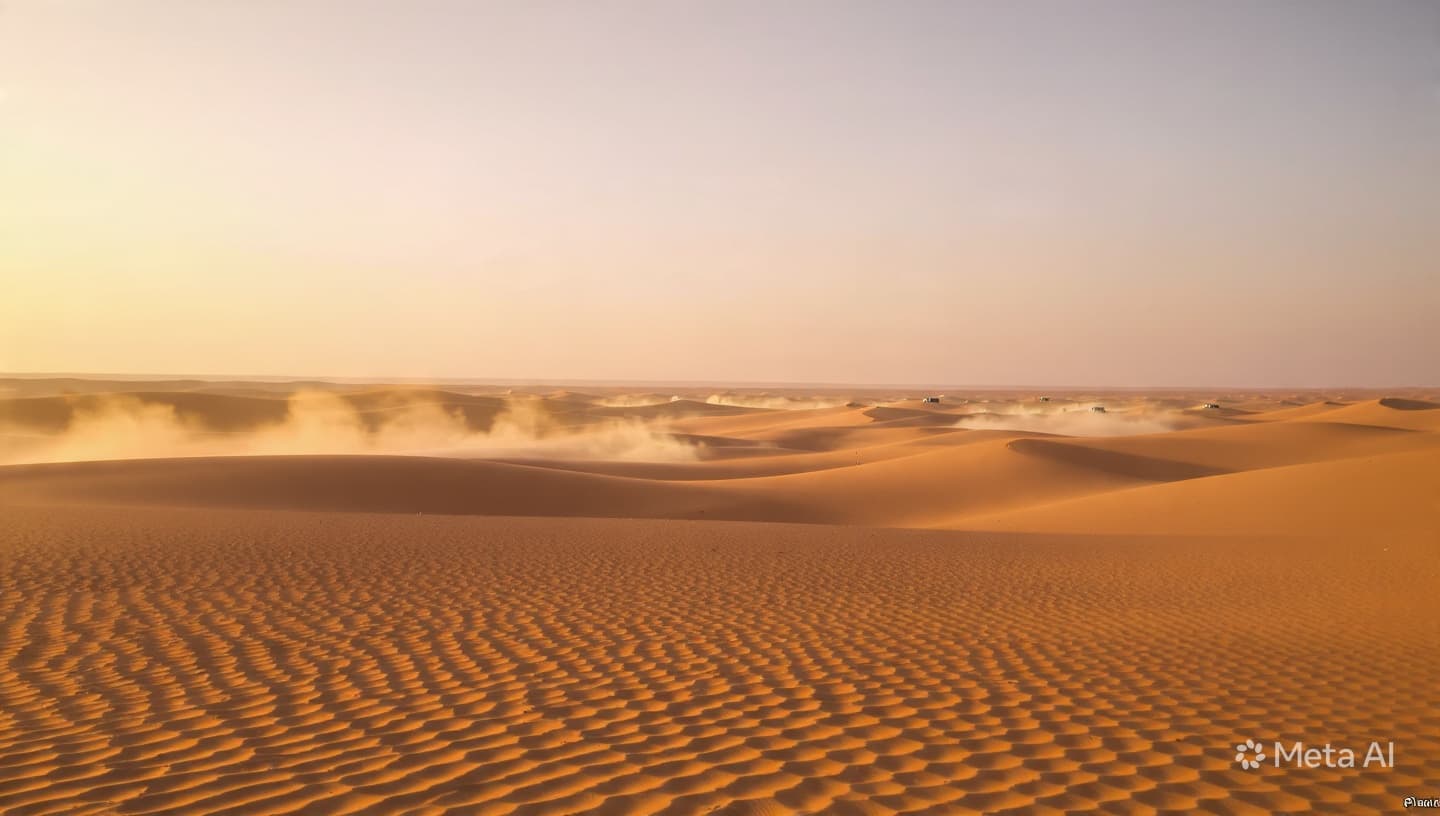
The desert of Chihuahua, a landscape of vast, unyielding horizons and shifting sands, holds a history that is often written in the quiet, decisive moments of those who operate within its boundaries. It is a place where the ordinary laws of distance and time are dictated by the rugged terrain, and where the most significant events often occur far from the view of the public eye. This past week, that stillness was punctured by a tragedy that resonated far beyond the local borders: the death of two CIA agents, whose vehicle encountered a fatal, high-speed collision during the execution of a sensitive raid.
When the vehicle, tasked with a mission of significant import, struck the unforgiving ground of the desert, it marked the abrupt end of a sequence of events that had been carefully plotted in the shadow of international security. The incident, a collision that transformed a tactical maneuver into a site of profound and final loss, highlights the hidden, precarious nature of the work performed by those who operate at the interface of nations. For the agents involved, the mission was a matter of professional routine; for the landscape, it was a momentary, violent intrusion into the ancient, silent rhythm of the dunes.
The Chihuahua desert has long been a theater for the complex and often hidden dynamics of regional security. To those who dwell in the borderland, the presence of various agencies—domestic and foreign—is a fact of existence, a backdrop to the daily business of life. Yet, when such a high-stakes event ends in the loss of personnel, the abstraction of "operations" and "missions" is stripped away, revealing the vulnerable, human cost of the endeavor. The investigation into the crash, now a matter of coordination between state and federal authorities, will move with the necessary, clinical pace, seeking to understand the mechanics of a failure that carried such a heavy toll.
In the aftermath, the desert remains, as indifferent and vast as ever. The scene of the crash, now processed by investigative teams, will slowly be reclaimed by the wind and the dust, yet the memory of the two lives lost will persist as a marker of the stakes inherent in this work. It is a reminder that the machinery of international security is powered by individuals who exist in the gap between the known and the clandestine, their contributions often only acknowledged through the lens of tragic finality.
We observe the details—the nature of the raid, the location, the tactical necessity—with a measure of restrained reflection. The death of these agents is a fact of the record, a detail in a much larger, more opaque narrative of cooperation and conflict between the United States and Mexico. While the forensic and administrative processes will continue to unfold, the human element—the tragedy of their abrupt departure and the questions surrounding the efficacy and risks of such operations—is what endures. It is a quiet, contemplative observation of the high price of service.
The coordination between agencies, often a source of friction and complexity, becomes the primary focus in the wake of such an incident. As officials look to provide answers and manage the diplomatic ripples of the loss, the families of the fallen are left to navigate the primary, agonizing reality of their own bereavement. It is a stark reminder that the professional stakes of the raid are secondary to the deeply personal reality of the loss, a reality that cannot be mitigated by the administrative steps that will inevitably follow.
Ultimately, the event serves as a somber waypoint in the history of the border region. It forces a pause, a moment to reflect on the nature of the missions that are conducted in the shadows and the costs they inevitably extract. We are left to process the event, not as a political statement or a strategic success or failure, but as a human story that reached an untimely, violent end in the heart of the desert.
As the desert winds continue to sweep across the Chihuahua plains, the memory of this event will fade from the headlines, though it will remain etched into the fabric of those who carry out the work in the borderlands. It is a quiet, contemplative observation of the risks inherent in the pursuit of security, a reminder that behind every headline lies a life that has reached a premature and sorrowful conclusion in the most remote of spaces.
Published by Banx Network. This article is part of the Banx decentralized media programme, powered by the BXE token on the XRP Ledger.