
Key Highlights
- Drought Severity:Western Australia faces historic low reservoir levels.
- Water Restrictions:Level 3 restrictions implemented across several districts.
- Emergency Measures:Farmers receive emergency water shipments for livestock.
The landscape of Western Australia is currently marked by a stark and haunting beauty, characterized by its parched earth and the relentless sun. The region is grappling with a severe drought that has transformed its once-vibrant terrain into a brittle expanse of dusty ochre. The air is thick with the scent of baked stone and parched eucalyptus, a testament to the prolonged absence of rain. This drought is not merely a seasonal event; it represents a gradual erosion of moisture that has left the land and its inhabitants in a state of anxious anticipation, waiting for relief that seems increasingly elusive.
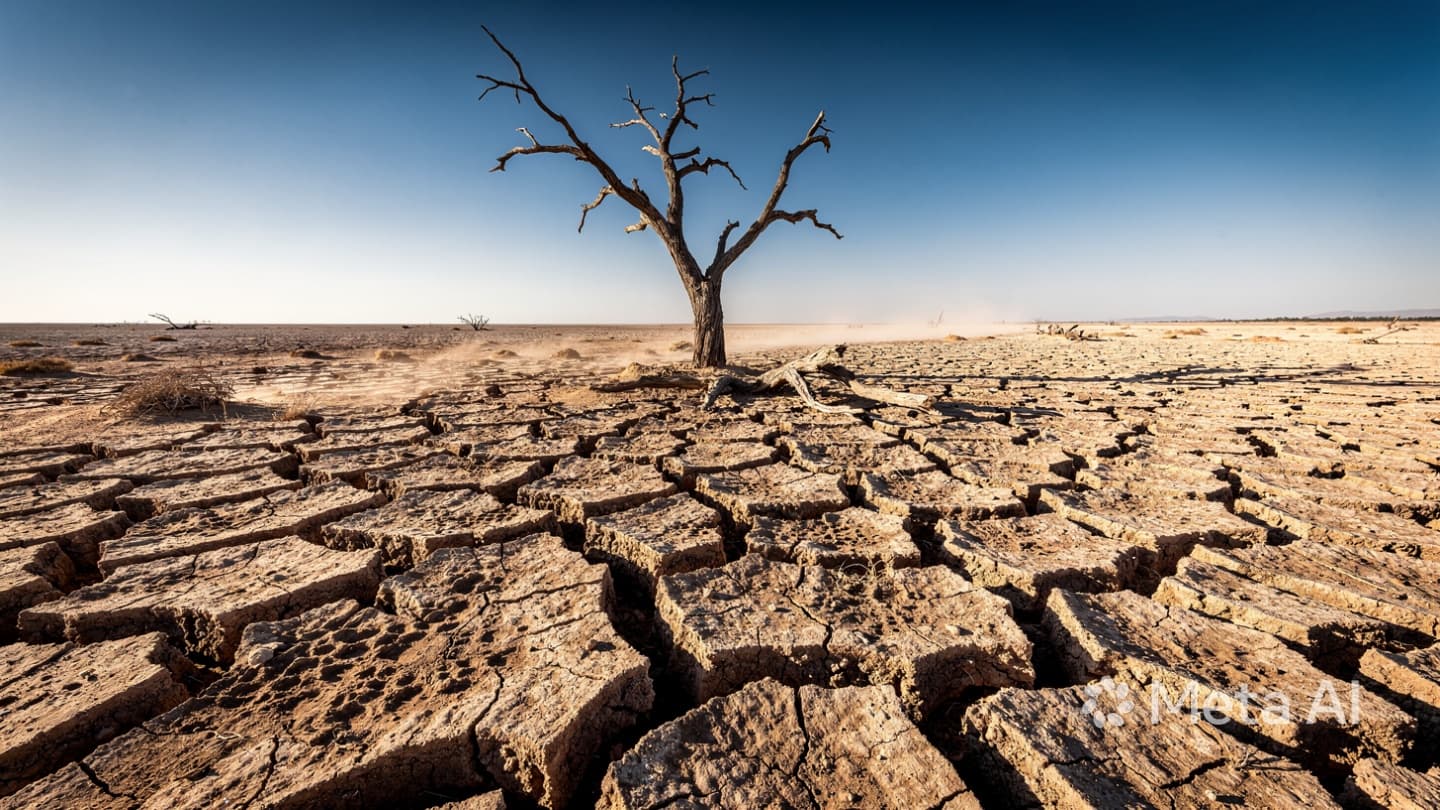
As one traverses the plains, the harsh reality of the drought becomes palpable. The dams, which once served as vital reservoirs of life, have become cracked depressions, their floors resembling a mosaic of dried mud. This quiet crisis unfolds in the thinning of livestock and the worried expressions of families who have relied on the rhythm of the rain for generations. The emotional toll is evident as communities confront the stark reality of their changing environment.
In response to the escalating crisis, water authorities have enacted emergency measures, officially recognizing the struggle that has been ongoing for months. Level 3 water restrictions have been implemented across several regional districts, marking a significant shift in how water resources are managed. The communal resource is now measured in liters and drops, with the sound of a running tap becoming a luxury that is met with careful reverence. This rationing reflects a collective understanding of the value of water, once taken for granted, now seen as a precious commodity.
Nature's resilience is on display as the hardy shrubs adapt to the harsh conditions, their leaves turning a defensive grey. Wildlife, too, is affected, moving in desperate arcs toward the remaining boreholes. The atmosphere is charged with tension, a stillness that is anything but peaceful, as ecosystems hold their breath in anticipation of a change in the seasons. The impact of the drought is further illustrated by the dust storms that rise, swirling like ghosts of past harvests, leaving a gritty residue on every surface.
There is no clear antagonist in this drought; rather, it is a manifestation of the indifferent cycles of nature and the warming breath of a changing climate. The measures taken to preserve what remains are a testament to human resilience and adaptability. Communities are coming together, sharing resources and making sacrifices, as the value of a single bucket of water is understood with visceral clarity. This collective effort underscores the importance of unity in the face of adversity.
As the sun sets over the desiccated scrub, casting long shadows across the landscape, the temperature drops, yet the dryness persists. The night sky, devoid of moisture, reveals a brilliant vault of stars, a stark reminder of the land's transformation into a world of dust and shadow. Long-term forecasts indicate that the current high-pressure system will continue to dominate, offering little hope for significant rainfall in the near future. Farmers are receiving emergency shipments of water for their livestock, while urban residents face strict limitations on outdoor water usage and irrigation.
The situation in Western Australia serves as a poignant reminder of the fragility of our ecosystems and the urgent need for sustainable water management practices. As communities navigate this challenging landscape, the resilience and adaptability of both people and nature will be tested in the months to come.
Published by Banx Network. This article is part of the Banx decentralized media programme, powered by the BXE token on the XRP Ledger.



