
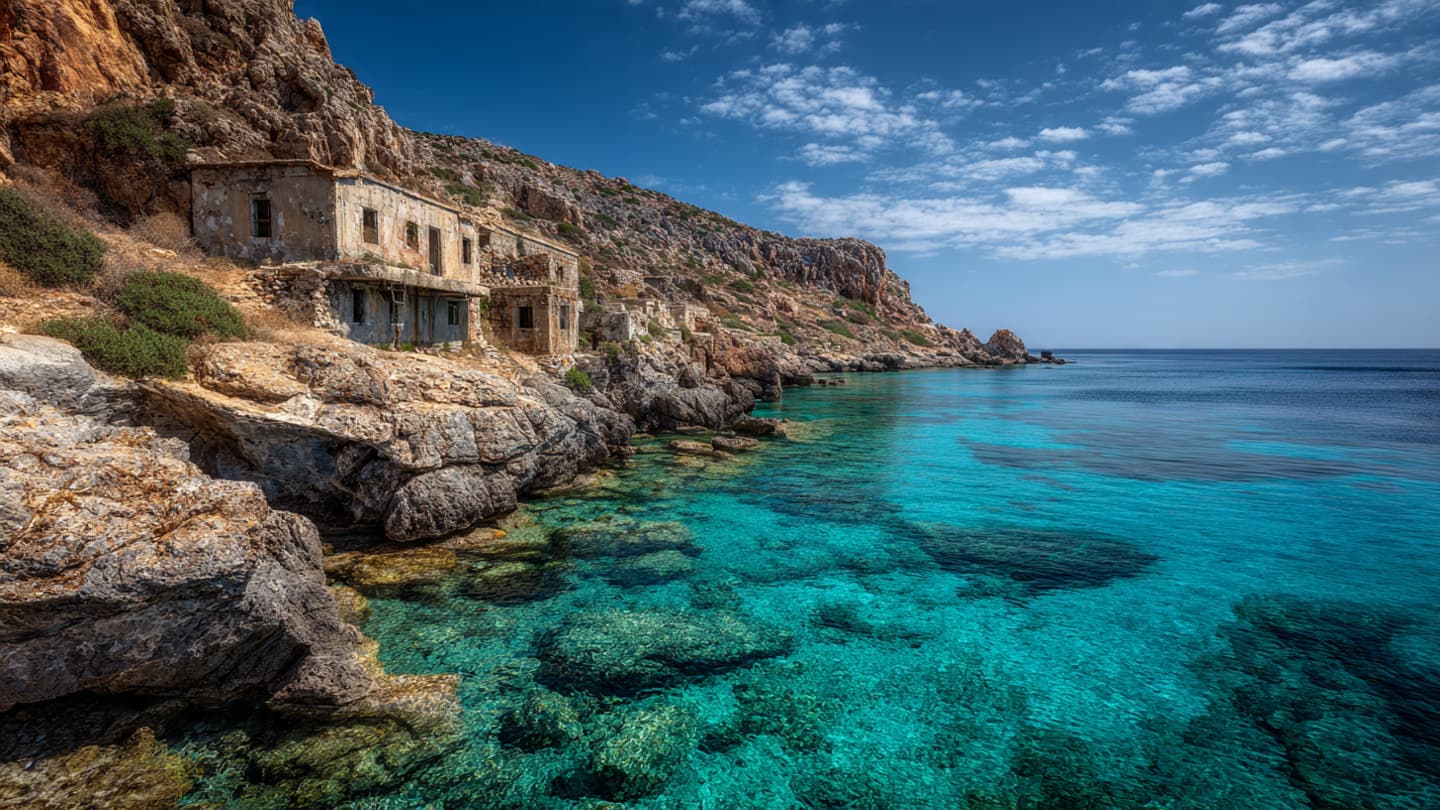
The Adriatic coast often appears in photographs as a place suspended between elements. Water drifts into lagoons. Wind moves through pine forests and dunes. Migratory birds descend from distant skies, following routes older than borders or governments. Along parts of Albania’s southern shoreline, the landscape seems to exist in a slower rhythm, where sea grass, wetlands, and salt air share space with memories of a country that has spent decades redefining itself.
In recent days, however, that quiet rhythm has been interrupted by the sound of crowds gathering in Tirana and along the coast. Thousands of demonstrators have taken to the streets to oppose a luxury resort project linked to Ivanka Trump and Jared Kushner, transforming what began as a development proposal into a broader public conversation about land, identity, and the future of one of the Mediterranean’s most sensitive environments.
At the center of the debate are plans for large-scale tourism developments associated with Kushner’s investment interests. The proposal includes projects on the uninhabited island of Sazan and in the nearby Zvërnec and Vjosa-Narta coastal area, a landscape known for wetlands, dunes, forests, and habitats that support migratory birds and other wildlife. Supporters describe the investment as an opportunity to expand Albania’s tourism economy and attract international visitors seeking high-end destinations. Critics see something more fragile at stake.
The protests began after construction-related activity and heavy machinery appeared near parts of the proposed development area. What followed was a series of demonstrations that stretched across several days, drawing environmental groups, local residents, conservation advocates, and citizens concerned about transparency in public decision-making.
The images that emerged from the gatherings carried a symbolic quality. Inflatable flamingos floated above crowds. Banners referenced coastlines and lagoons. Protesters marched through city streets while speaking about places many regard as among the most pristine remaining stretches of the Mediterranean shoreline. Their concerns centered not only on the scale of the proposed resorts but also on the possibility that protected ecosystems could be altered in ways that cannot easily be reversed. For environmental organizations, the coastline represents more than a future tourism destination. It is part of a larger ecological corridor where wetlands provide refuge for migratory birds and where coastal habitats support species that depend upon relatively undisturbed conditions. Scientists and conservation groups have argued that extensive construction could place additional pressure on those systems, particularly if development expands across sensitive zones near the Vjosa-Narta lagoon.
Yet another narrative moves alongside the environmental one. Albania has spent years promoting itself as an emerging destination on the Mediterranean, seeking investment and infrastructure capable of supporting economic growth. Government officials have defended the project as a potentially transformative opportunity, arguing that development can proceed within environmental regulations and oversight processes. In that vision, luxury tourism becomes part of a broader effort to position the country within a competitive regional market.
The contrast between these perspectives has given the protests a reflective quality. They are not simply arguments over buildings or permits. They reveal differing ideas about how a nation should balance preservation and development, how coastlines should be shared, and how landscapes inherit meaning from those who live beside them.
The debate has also attracted attention beyond Albania’s borders because of the involvement of Trump family figures whose names carry political and commercial visibility far beyond the Adriatic. As international media focused on the demonstrations, local concerns about wetlands, bird migration routes, and public consultation found a larger audience.
For now, the coastline remains much as it was before the controversy reached global headlines. The lagoons continue reflecting the changing sky. Birds continue tracing seasonal paths above the water. Waves continue arriving without regard for investment plans or protest schedules.
Yet the conversation unfolding around these shores is unlikely to fade quickly. Demonstrations have continued for days, environmental groups remain vocal, and authorities face growing scrutiny over how the projects will proceed. Investigations and regulatory reviews have added another layer to an already complex discussion.
In the end, the dispute reaches beyond a single resort proposal. It asks what value societies place on landscapes that seem untouched, and whether economic ambition and ecological stewardship can occupy the same stretch of coastline. Along Albania’s southern shore, where sea and land meet in delicate balance, that question now echoes as persistently as the tide itself.
AI Image Disclaimer Illustrations were generated with AI and are intended as visual interpretations rather than documentary photographs.
Sources The Washington Post Reuters Euronews Financial Times Associated Press (AP)
Note: This article was published on BanxChange.com and is powered by the BXE Token on the XRP Ledger. For the latest articles and news, please visit BanxChange.com