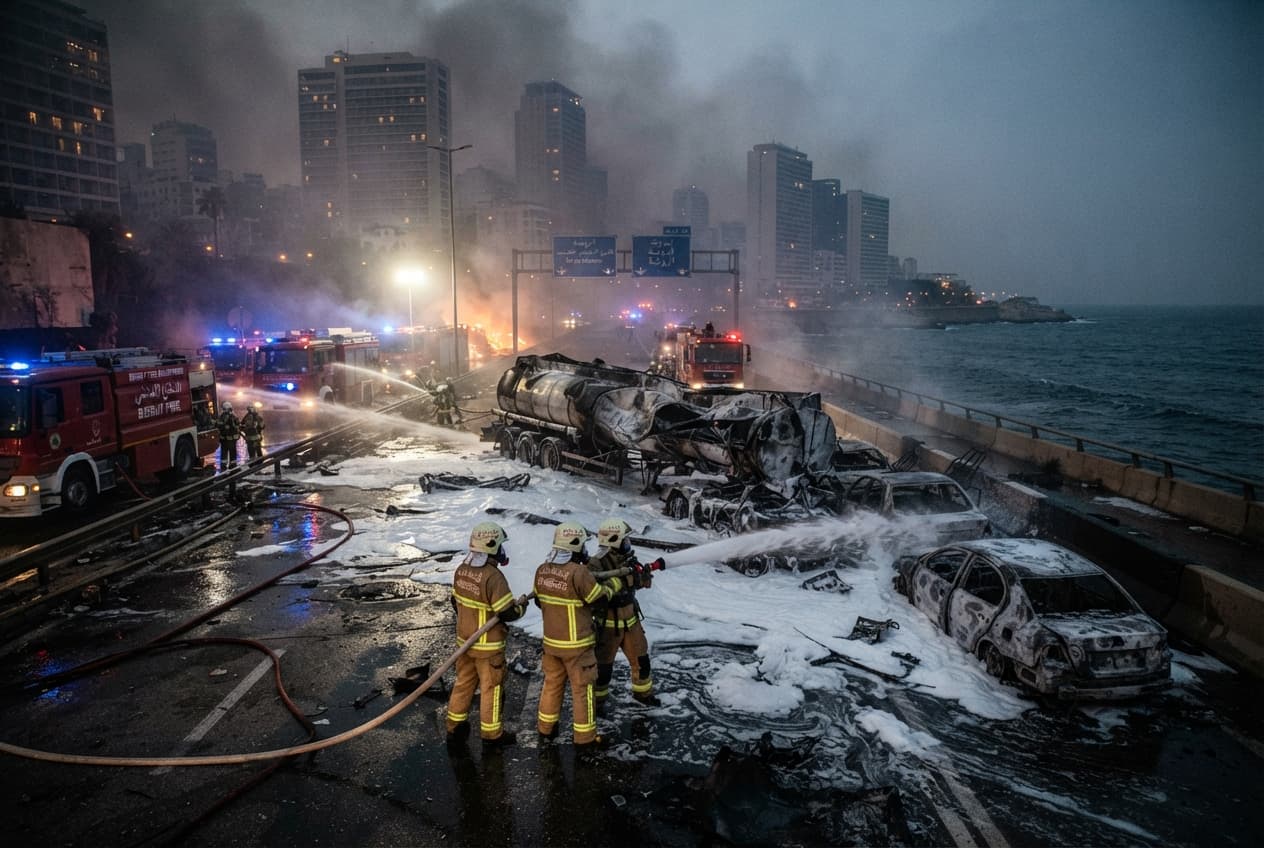
There are moments in international affairs when silence speaks louder than speeches, and refusal carries the weight of history. In the shifting desert winds of diplomacy, words are rarely just words. They are signals, lines drawn in sand, invitations extended—or withdrawn. When a nation declares that it will not negotiate, it is not merely declining a meeting. It is choosing a posture, a rhythm, a direction for its future. Iran has firmly stated that it will not enter negotiations with the United States under current conditions, reinforcing a position that has surfaced repeatedly in recent years. Officials in Tehran emphasized that dialogue cannot proceed amid what they describe as continued pressure and sanctions from Washington. The message was clear yet measured: diplomacy, in their view, cannot flourish in a climate they perceive as coercive. This stance unfolds against the long and intricate backdrop of strained relations between Tehran and Washington. From the collapse of the nuclear agreement framework to renewed sanctions and regional tensions, the diplomatic thread has frayed more than once. Each administration in both capitals has approached the table with different expectations, but mutual distrust has often overshadowed technical discussions. For Iran, the refusal appears to be framed not simply as defiance, but as a matter of principle. Officials have reiterated that negotiations must be based on mutual respect and tangible policy shifts, particularly regarding economic restrictions. In their rhetoric, diplomacy is described as a bridge—but one that cannot stand if built on uneven ground. For the United States, calls for renewed engagement have often centered on nuclear oversight, regional security, and de-escalation. Yet between invitation and acceptance lies a complicated terrain of domestic politics, strategic calculations, and regional alliances. Each statement from either side resonates beyond their borders, echoing across the Middle East and into global energy markets. The broader region watches carefully. Diplomatic currents in the Gulf, evolving alignments among regional powers, and global concerns about stability form the wider canvas upon which this announcement is painted. Markets respond not only to actions but to tone; allies interpret posture as policy. In such an environment, even a refusal becomes a significant development. Still, history reminds us that diplomatic doors, once closed, are not always locked forever. International relations often move in cycles—periods of distance followed by cautious re-engagement. Today’s declaration may represent firmness, but it does not necessarily foreclose tomorrow’s possibilities. For now, Iran’s position stands as a deliberate signal. It reflects both accumulated grievances and strategic calculation. Whether this moment marks a prolonged impasse or a prelude to a recalibrated approach remains to be seen. In the quiet language of geopolitics, sometimes the most consequential sentence is simply: not now.
AI Image Disclaimer
Illustrations were produced with AI and serve as conceptual depictions.
---
Sources
Reuters Associated Press Al Jazeera BBC News The New York Times
Published by Banx Network. This article is part of the Banx decentralized media programme, powered by the BXE token on the XRP Ledger.