
Key Highlights
- Project Overview:Nicaragua connects over 50 remote communities to the national grid.
- Economic Impact:Enhanced electricity access fosters local commerce and education.
- Sustainability:Renewable energy sources are integrated into the new infrastructure.
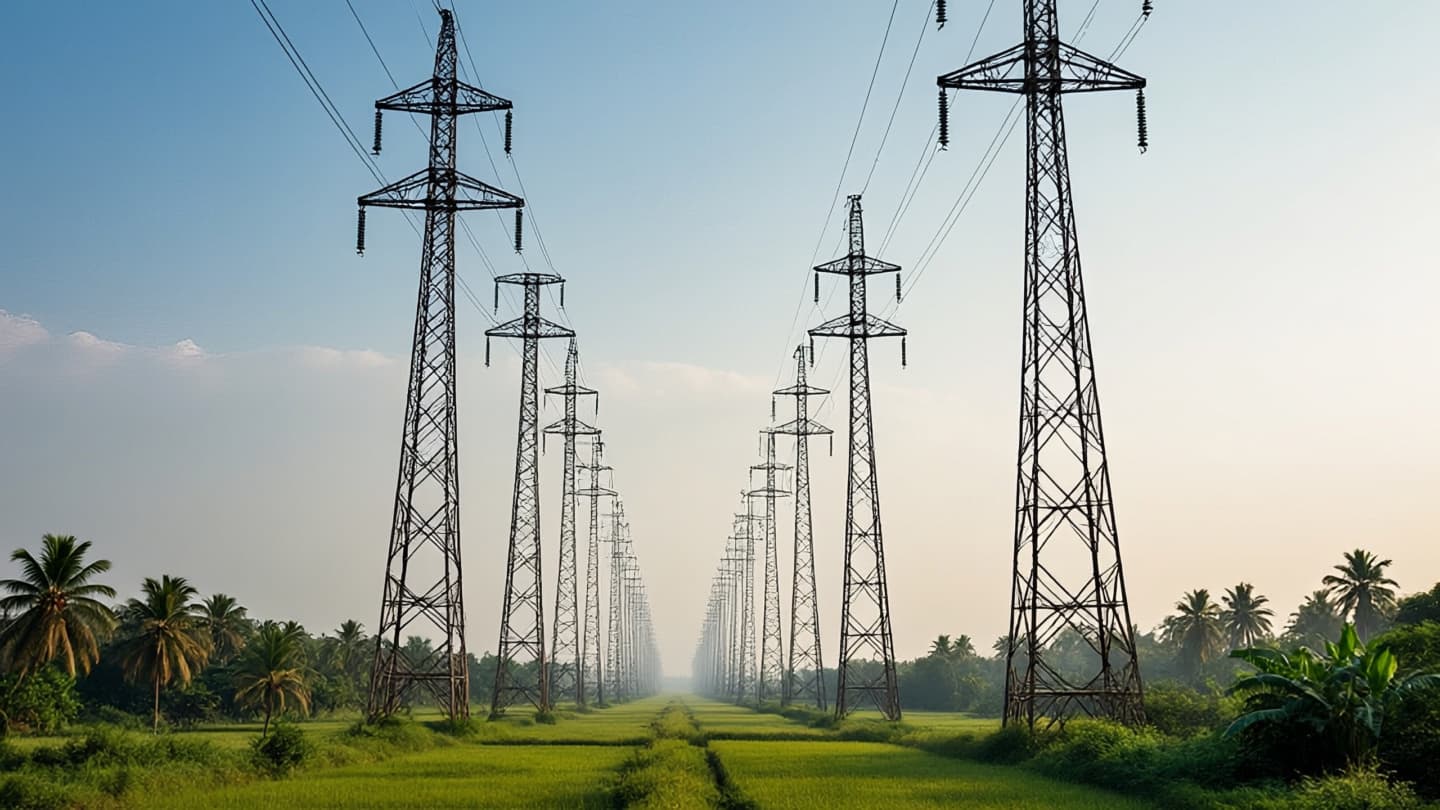
Nicaragua's Caribbean coast, often isolated from the rest of the country, is undergoing a transformative change with the inauguration of a major infrastructure project aimed at connecting over 50 remote communities to the National Interconnected System (SIN). This initiative, funded through a combination of national resources and regional development loans, involves the installation of hundreds of miles of high-voltage lines through challenging tropical terrain. Officials have emphasized that this expansion is a critical step in eliminating energy inequality and fostering economic development in the autonomous regions.
Historically, the Caribbean coast has been characterized by its unique cultural and ecological landscape, often overshadowed by the more industrialized Pacific region. The arrival of electricity is not just a technical achievement; it represents a significant shift in the daily lives of residents. Previously, evenings were marked by darkness, limiting activities and opportunities. Now, with the grid in place, communities can extend their hours for study, commerce, and social interaction, fundamentally altering the fabric of life along the coast.
The construction of this infrastructure is a testament to the resilience and determination of the workers who navigate the complex wetlands and mangroves. Each pylon erected symbolizes a connection between the industrial heart of the Pacific and the artisanal rhythms of the Atlantic. This project is designed to balance modern power needs with the preservation of the rich cultural heritage of the indigenous and Afro-descendant communities it serves.
Incorporating renewable energy sources such as geothermal and wind power into this expansion adds a layer of sustainability to the project. This approach aligns with Nicaragua's broader commitment to a greener future, ensuring that the benefits of electricity are derived from environmentally friendly sources. The integration of these renewable resources not only powers the new grid but also reflects a national ethos of sustainability and responsibility toward the environment.
The economic implications of this new connectivity are profound. The ability to refrigerate fresh catches or power small machinery can significantly enhance local economies, reducing the
Published by Banx Network. This article is part of the Banx decentralized media programme, powered by the BXE token on the XRP Ledger.



