
Key Highlights
- Initiative:Saudi Arabia's Ministry of Environment, Water and Agriculture has launched a Camel Passport system.
- Purpose:The passports aim to document and track camel information for better trade and ownership transparency.
- Features:Each passport includes details like breed, vaccinations, and a unique microchip number.
[Introduction to Camel Passports]
In a significant move blending tradition with modernity, Saudi Arabia has introduced a Camel Passport system, marking a new chapter in the management of its cherished livestock. Announced by the Ministry of Environment, Water and Agriculture, this initiative aims to create a structured digital registration system that documents vital information about camels across the Kingdom. This program is part of the broader National Program for the Development of the Livestock and Fisheries Sector, which seeks to enhance the organization and clarity of an industry deeply rooted in Saudi culture.
[Details of the Camel Passport]
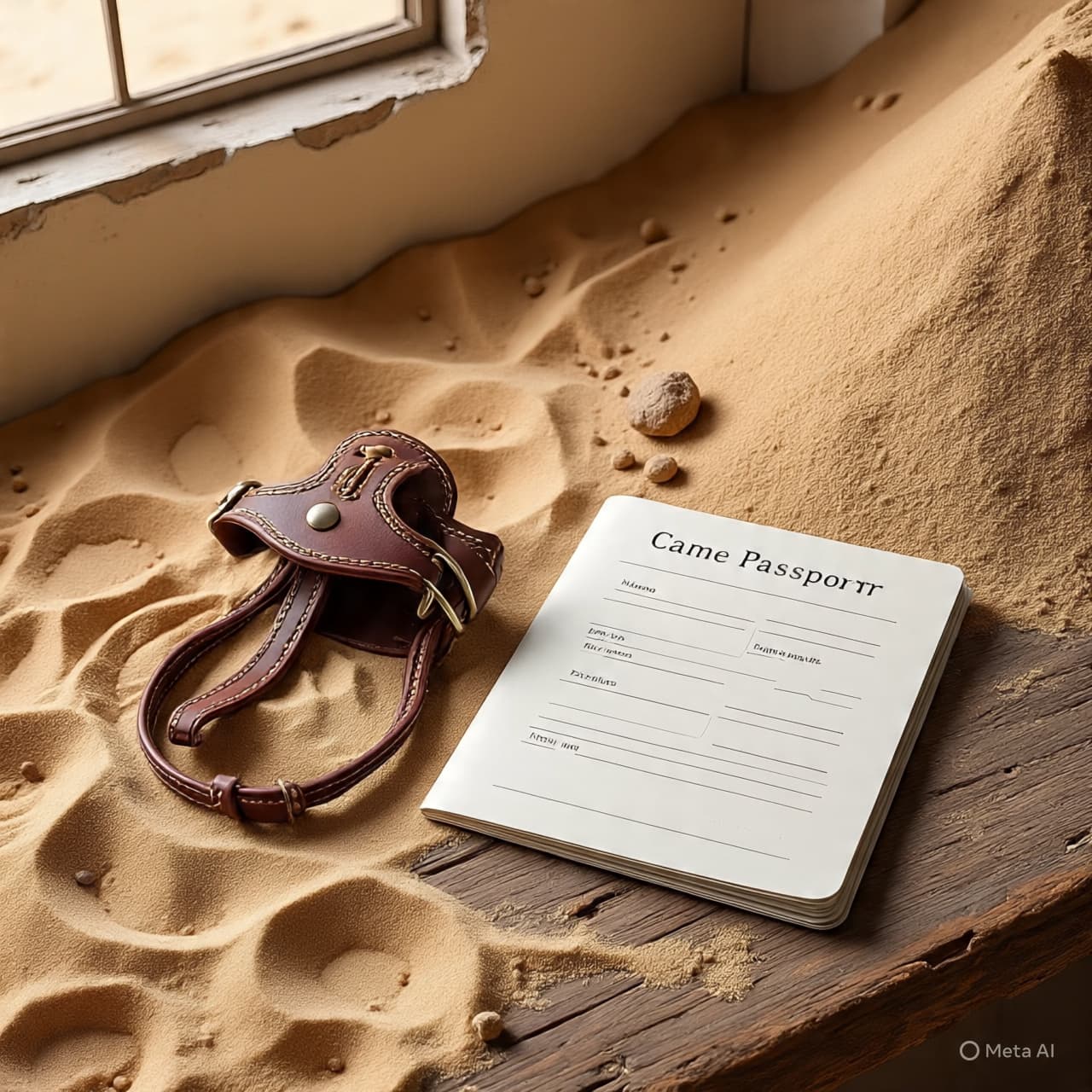
The Camel Passport serves as a comprehensive identity record for each animal, capturing essential data such as the camel's name, date of birth, breed, gender, color, and place of birth. Additionally, it includes photographs from both sides of the camel and a unique microchip number for identification. A notable feature of the passport is a dedicated section for vaccination records, which includes signatures and official stamps from veterinarians, ensuring that the health and welfare of the animals are prioritized alongside regulatory compliance.
[Impact on Trade and Ownership]
This innovative approach to camel management is expected to yield multiple benefits. For camel owners, the passport provides a transparent reference for legitimacy in trade and ownership transfers, fostering trust in transactions. For markets, both local and international, the system aims to instill confidence in pricing and transactions based on reliable, organized data. In an era where authenticity is paramount, the Camel Passport seeks to bridge the gap between traditional practices and modern expectations, ensuring that the value of these noble beasts is recognized and preserved.
[Preserving Heritage Amid Modernization]
While the introduction of the camel passport signifies a shift towards modernization, it does not overshadow the rich history and cultural significance of camels in Saudi Arabia. These animals have long been companions and symbols of resilience in the harsh desert landscape. The passport initiative is designed to enhance the existing relationship between camels and their owners, providing a modern framework that respects and honors the heritage of these majestic creatures.
[Conclusion]
In this gentle intersection of tradition and technology, the desert's stories continue to thrive. The Camel Passport initiative not only modernizes the way camels are tracked and traded but also invites communities to engage with their heritage in new and meaningful ways. As Saudi Arabia embraces this digital transformation, it reaffirms its commitment to preserving the legacy of its noble beasts while adapting to the demands of contemporary society.
Published by Banx Network. This article is part of the Banx decentralized media programme, powered by the BXE token on the XRP Ledger.



