In the geography of power, silence rarely lasts. It gathers like heat above desert sands, rising slowly before it bends the horizon. Across the Middle East, where borders are both lines on maps and memories of unfinished history, the air has once again grown heavy with consequence. Iran’s latest moves—measured yet unmistakable—have signaled that the region’s fragile equilibrium remains as delicate as ever. In recent days, Iran and aligned groups have directed strikes and threats toward U.S. military installations and allied positions across parts of the Middle East. From bases hosting American personnel to strategic facilities tied to regional partners, the message appears less about immediate escalation and more about calibrated signaling. Tehran’s response comes amid heightened tensions following earlier confrontations involving Israeli and Western interests, reinforcing a pattern long familiar to observers of the region: pressure applied not in one place, but across many. The United States maintains a network of bases stretching from the Gulf to the Levant, designed to deter aggression and reassure partners. When these installations are targeted—whether by direct missile launches, drone incursions, or proxy forces—the ripple extends beyond the blast radius. It touches diplomatic channels, oil markets, and public sentiment across capitals from Washington to Riyadh. Each strike becomes both an event and a statement. Iran, for its part, frames its actions within a broader narrative of resistance and deterrence. Officials often describe such measures as defensive responses to perceived provocations. Western governments, meanwhile, characterize them as destabilizing maneuvers that risk drawing multiple states into a wider confrontation. Between these interpretations lies a complex web of alliances and rivalries: U.S. commitments to regional partners, Israel’s security posture, Gulf states’ balancing acts, and Iran’s strategic depth through aligned militias. What makes this moment distinct is not merely the exchange of fire, but the geography of it. Incidents have touched Iraq, Syria, and waters near the Gulf—areas where U.S. forces, Iranian interests, and local actors operate in uneasy proximity. The battlefield is not declared, yet it is mapped through supply routes, radar systems, and diplomatic cables. The region’s interconnectedness ensures that no action remains isolated. Oil prices have reacted with cautious volatility, reflecting markets’ sensitivity to even limited disruptions. Diplomats have accelerated quiet conversations, aware that escalation rarely follows a straight line. Military officials speak of force protection and readiness, while political leaders emphasize deterrence and restraint in the same breath. The language of conflict and the language of caution now share the same podium. Yet beneath the strategic calculus lies a human dimension: service members stationed far from home, civilians living near military sites, and families watching headlines scroll across their screens. For them, the abstractions of geopolitics translate into sirens, alerts, and uncertainty. History in this region has often moved in cycles—flare, pause, recalibrate—and many hope that this latest chapter will follow that familiar arc toward de-escalation. For now, the exchanges underscore a reality that has shaped the Middle East for decades: influence is contested not only through diplomacy, but through demonstrations of capability and resolve. Iran’s actions, and the responses they invite, are reminders that stability here is rarely static. It is negotiated, tested, and renegotiated again. As officials in multiple capitals weigh their next steps, the path forward appears neither predetermined nor entirely opaque. Channels of communication remain open, even when rhetoric sharpens. In that narrow space between signal and strike, between warning and war, the region waits—aware that history’s balance is often held by decisions made quietly, long before they are seen.
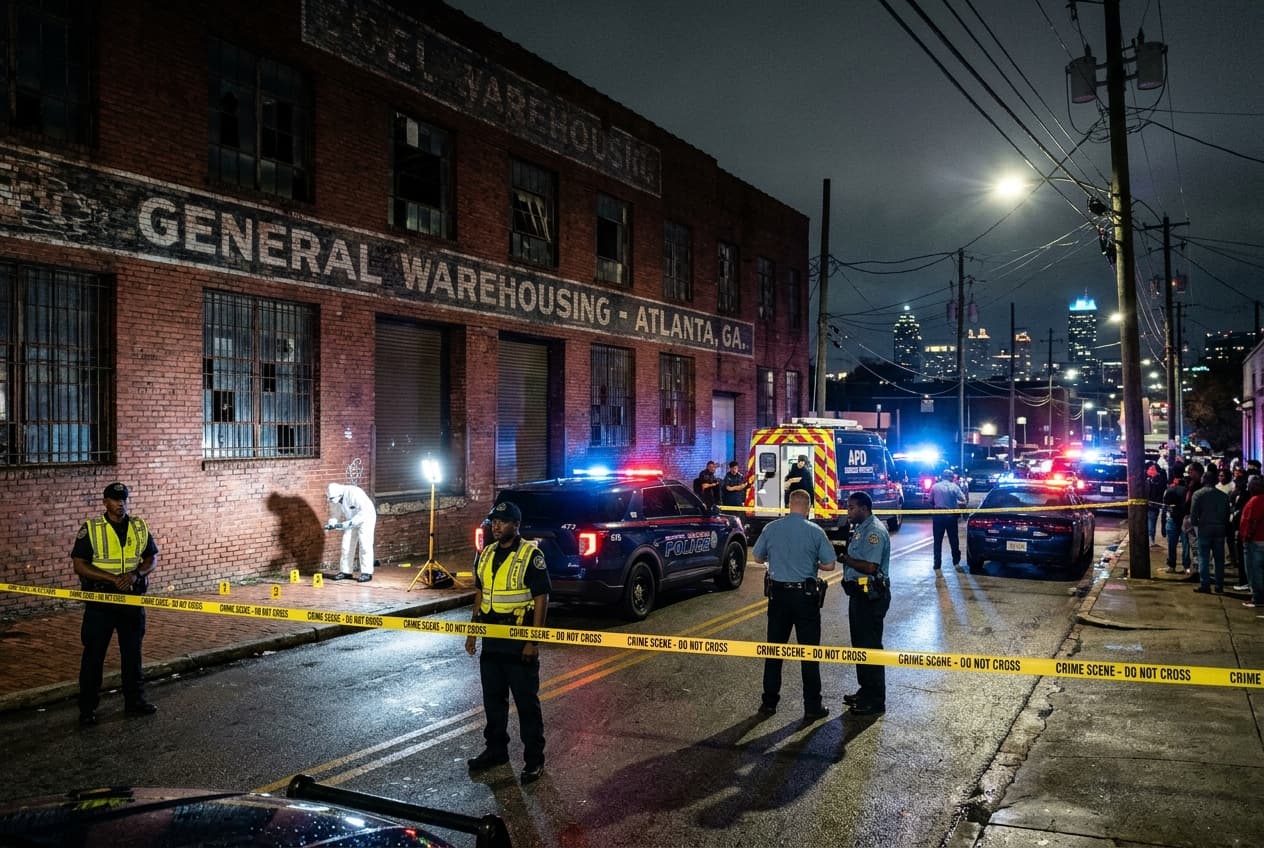
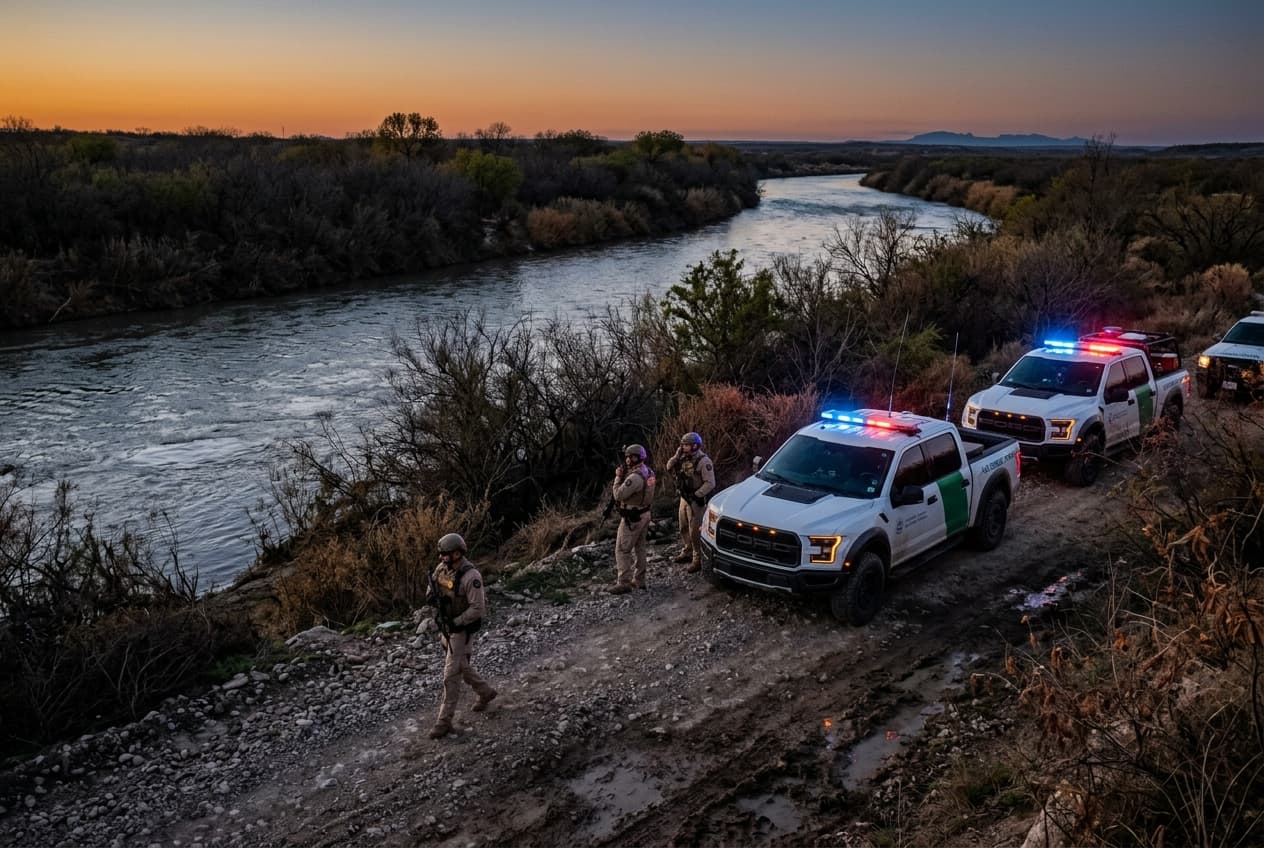
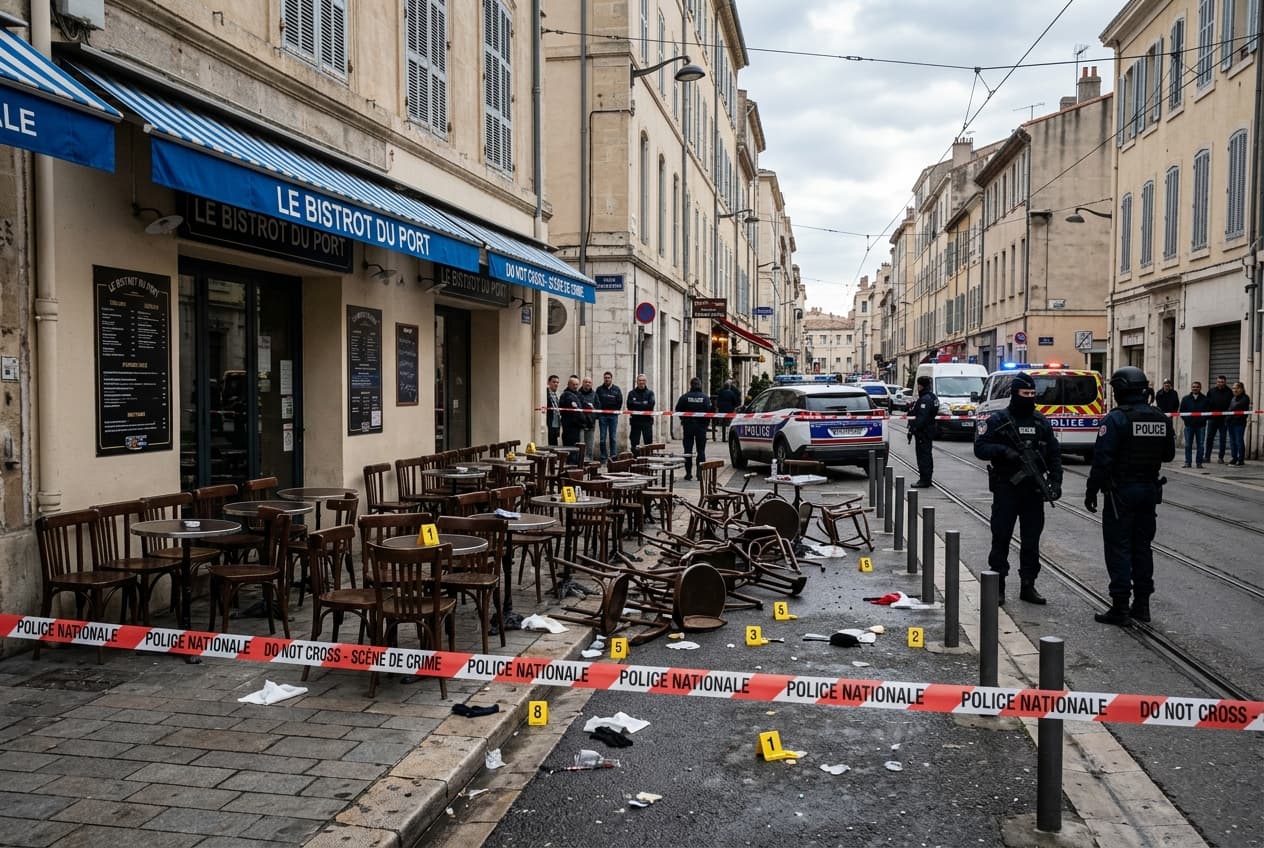
AI Image Disclaimer Visuals are created with AI tools and are not real photographs.
Published by Banx Network. This article is part of the Banx decentralized media programme, powered by the BXE token on the XRP Ledger.