
Key Highlights
- Tropical Low 31U brought record rainfall to Northern Territory.
- Communities face significant recovery efforts after flooding.
- Federal assistance activated for affected residents and businesses.
In the heart of Australia, the land is a vast, ancient parchment, colored in the deep ochres and burnt siennas of the sun. It is a landscape that has learned to endure the long silences of drought, its spirit etched into the dry creek beds and the resilient scrub that waits for the sky to remember its name. There is a profound patience in the red sand, an expectation that the rains will eventually return to reclaim the dust.
When Tropical Low 31U began its descent into the interior, it brought with it moisture that felt foreign to the arid plains. The sky, usually a pale, heat-washed blue, darkened into a bruised charcoal, signaling a departure from the usual desert rules. This weather event, described as a "one-in-a-decade" occurrence, delivered a concentrated infusion of water that transformed the topography of the Northern Territory in a matter of days.
The transformation was both beautiful and terrifying. The dry arteries of the Todd and Finke rivers, which typically serve as sandy paths for the wind, were suddenly filled with a rushing, coffee-colored torrent. The water did not merely flow; it moved with a muscular authority, carving new channels through the dunes and spilling over the banks into the low-lying scrub.
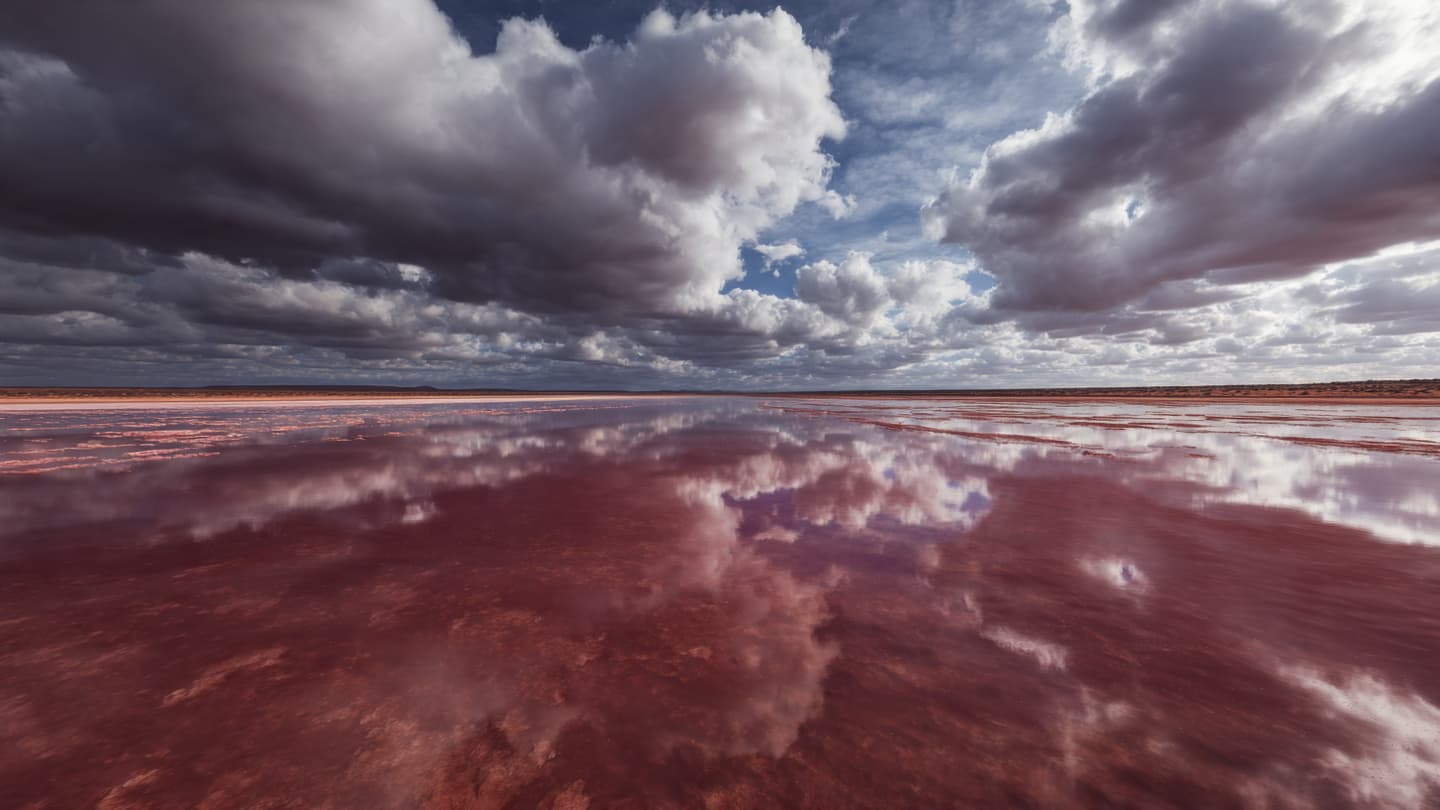
As the deluge continued, the isolation of the desert became a tangible reality. Roads that were once the lifelines of cattle stations and remote communities were surrendered to the rising tide. Witnessing the red earth disappear beneath a vast, shallow sea is to experience a rare and primal geography, a moment where the ancient inland oceans of the continent seem to reach out from the past.
The response from the communities was one of measured, stoic resilience. In the Northern Territory, there is a deep understanding that nature does not negotiate; it simply exists in cycles of extremes. Neighbors checked on each other, and the hum of helicopters replaced the silence of the highway, carrying essential supplies to those whose world had become an island in the sand.
A specific kind of quiet descends after the heaviest rain—a damp, heavy stillness that carries the scent of wet eucalyptus and revitalized earth. The desert, once dormant, begins to breathe with a sudden, green urgency. It serves as a reminder that even in the most inhospitable conditions, life is poised and ready to surge forward at the first touch of rain.
Federal assistance and recovery efforts are now mobilizing in the wake of the water, a necessary follow-up to the storm’s passage. The Australian Government activated Disaster Recovery Funding Arrangements (DRFA) for the Northern Territory following the record-breaking floods caused by Tropical Low 31U. DisasterAssist reported that several local government areas, including Katherine and Roper Gulf, experienced "one-in-a-decade" rainfall, leading to widespread road closures and property damage. Eligible residents and small businesses can now access one-off financial payments and clean-up grants as the region enters the long-term recovery phase.
As the floodwaters begin their slow, inevitable retreat into the earth or toward the distant salt lakes, the Red Centre will return to its familiar, sun-drenched self. However, the memory of the great inundation of 2026 will linger in the stories told by locals. It was the time the sky met the sand with a ten-year fury, leaving behind a land that was, for a brief and shimmering moment, a world of water.
Published by Banx Network. This article is part of the Banx decentralized media programme, powered by the BXE token on the XRP Ledger.



