
Key Highlights
- Discovery:A new species of deep-sea coral identified by Mexican oceanographers.
- Location:Found in the Revillagigedo Archipelago at depths over 200 meters.
- Significance:Highlights the biodiversity of the Mexican Pacific and the need for ongoing exploration.
The Pacific Ocean off the coast of Mexico is a realm of deep, sapphire mystery, where the surface is a constant dance of light and shadow and the depths are home to ancient secrets. Here, far from the reach of the city, the Revillagigedo Archipelago rises from the abyssal floor, a series of volcanic islands that have created a sanctuary for a wealth of marine life. It is a place of profound silence and vibrant color, where the rhythms of the sea are the only measure of time.
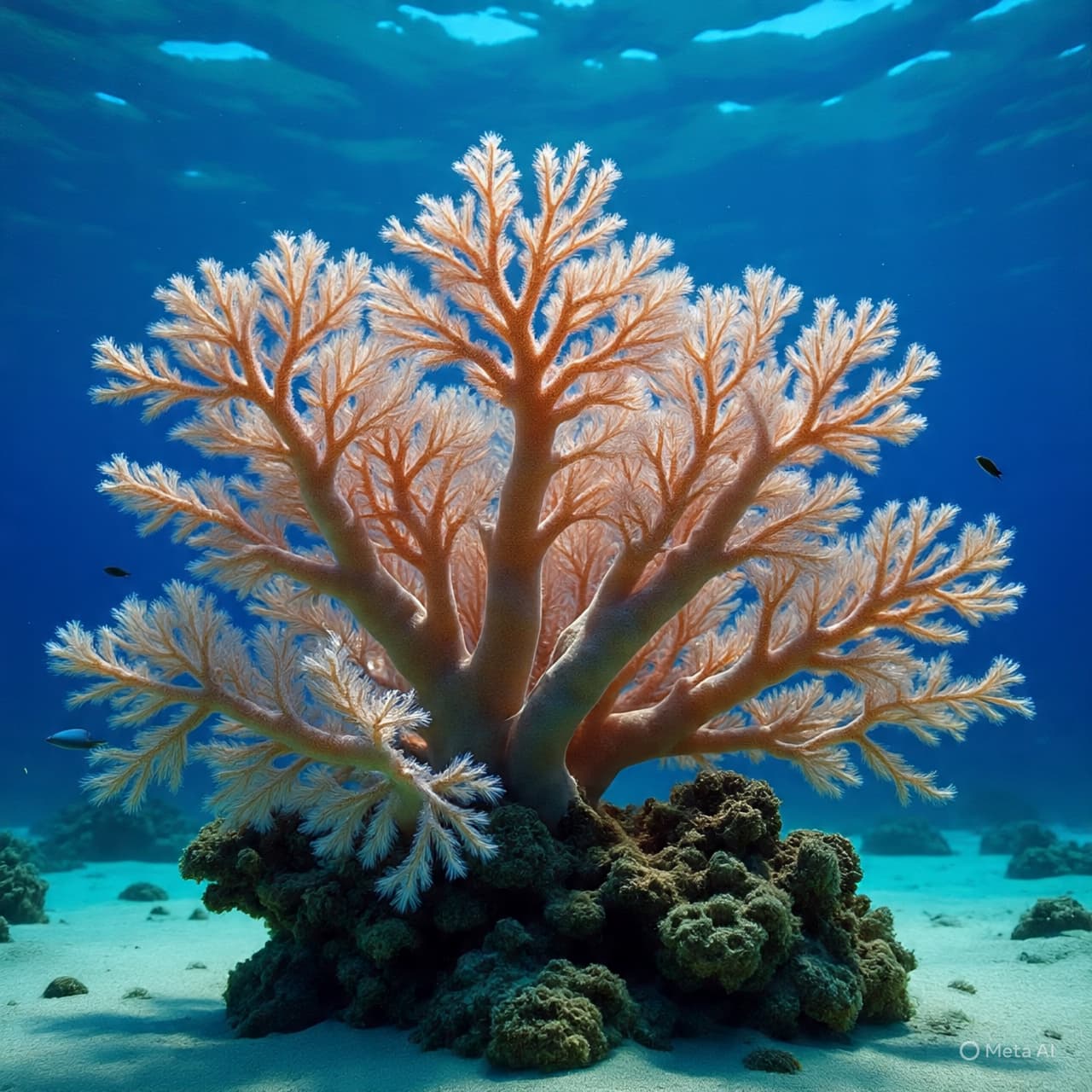
Recently, a team of oceanographers from the National Autonomous University of Mexico made a significant discovery during an expedition to this remote archipelago: a previously unknown species of deep-sea coral. This coral, found at depths exceeding 200 meters, exhibits unique branching patterns and a distinct chemical composition compared to known species in the region. This finding not only adds to the taxonomic records but also underscores the exceptional biodiversity of the Mexican Pacific, emphasizing the importance of continued exploration in these uncharted waters.
Reflecting on the nature of the coral reef, one sees a complex architecture of life, a delicate balance of form and function that sustains a vast array of species. Corals are the quiet builders of the ocean, their calcium skeletons providing the foundation for an ecosystem that is both resilient and incredibly fragile. The new species, with its unique structure and vibrant hue, serves as a reminder that the world still holds mysteries waiting to be uncovered by those with the patience and skill to look.
The expedition to the Revillagigedo Archipelago was a meticulous undertaking, involving a series of dives in a demanding environment. This introduction of human presence into the deep is a careful negotiation with the sea, a series of deliberate movements intended to gather knowledge without disturbing the soul of the reef. The specimens collected by the oceanographers carry a unique signature, a complex language of growth patterns and genetic markers. They are a biological archive of the ocean, revealing information about the temperature, chemistry, and health of the waters over centuries.
Inside the research centers, the atmosphere is often one of quiet intensity. Oceanographers from around the world collaborate on projects that span the globe and reach into the depths of the sea. This human element is the true engine of discovery, a collection of individuals who have chosen to dedicate their talents to the study of the Earth’s final frontier. Their findings are the small ripples that eventually form the great waves of scientific understanding.
As the study of the new coral species continues, it is carving out a unique identity in the field of marine biology. It is becoming a symbol for those who value both technical excellence and a deep respect for the natural world. This reputation is attracting talent from every corner of the globe, further enriching the research ecosystem with a wealth of perspectives and experiences. The discovery is merely the external sign of an internal vitality that has been growing for years, hidden beneath the surface like a thermal vent.
Beneath the technical details of species names and depth measurements lies a broader vision of planetary stewardship. By securing a deeper understanding of Mexico’s marine biodiversity, the country is weaving a sense of responsibility into its environmental fabric. This strategic positioning allows for a more confident engagement with the international conservation community, ensuring that the insights of the reef contribute to the long-term health of the entire ocean. It is a journey of understanding the foundations of our world for the benefit of all.
Published by Banx Network. This article is part of the Banx decentralized media programme, powered by the BXE token on the XRP Ledger.



